

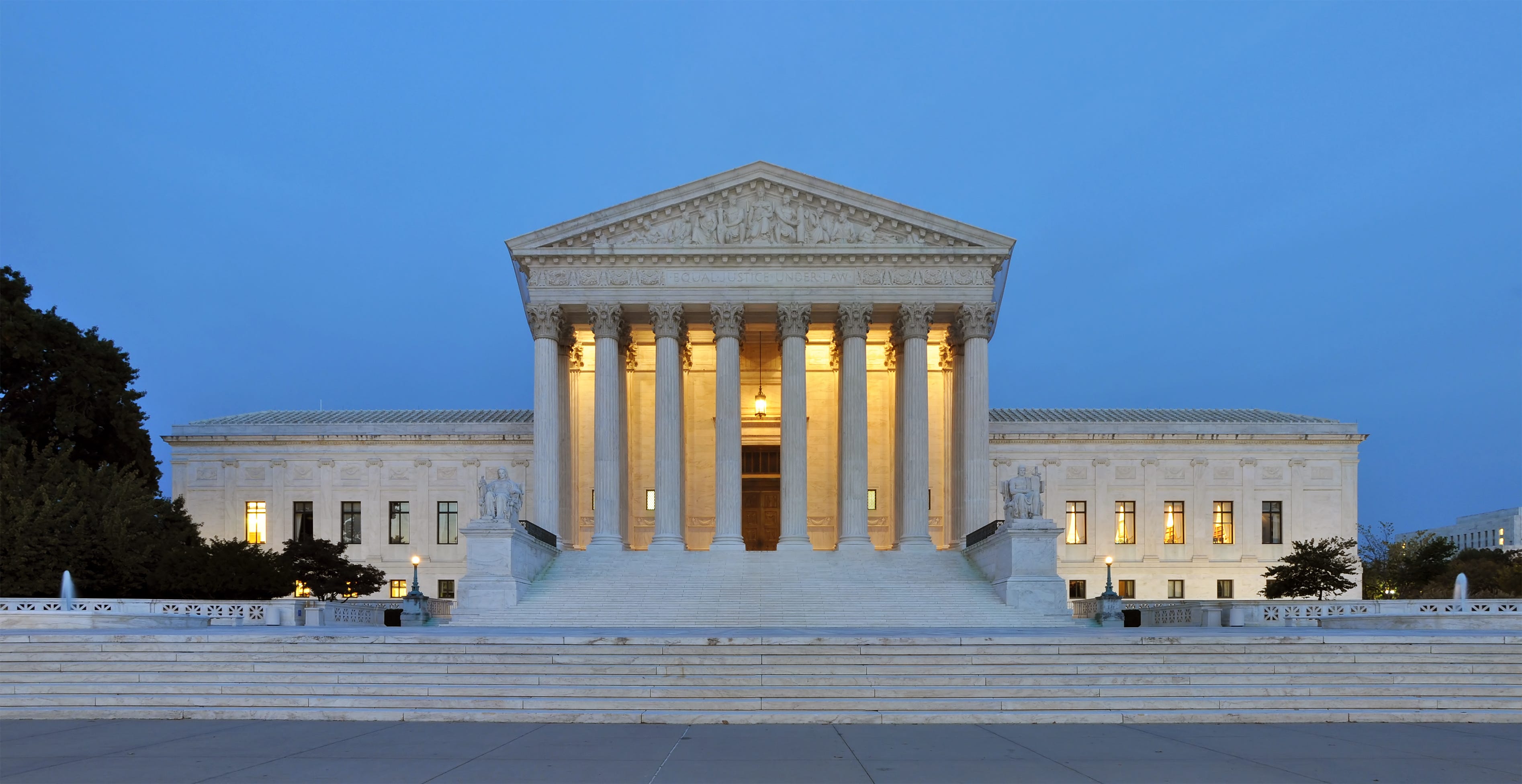
The Supreme Court is officially back in session, returning to the bench on Monday with an originalist majority prepared to tackle some of the nation’s most contentious legal battles. While the justices have only filled part of their docket so far, legal experts are already pointing to five monumental cases that could fundamentally alter American life.
According to a recent Fox News Opinion piece by legal advocate Carrie Severino, here are the top five high-stakes cases to watch this term:
1. Climate Lawfare: Suncor Energy v. Commissioners of Boulder County
This case could either put an end to left-wing climate litigation or result in significantly higher prices at the gas pump. The core constitutional question is structural: The Constitution treats all states as equals, prohibiting any single state from governing beyond its own borders. A reversal here would check state and local municipalities attempting to bypass Congress to set national energy and environmental policies through localized lawsuits.
2. Religious Liberty: St. Mary Catholic Parish v. Roy
Colorado implemented a program promising every family in the state free preschool at a public or private school of their choice. However, the state subsequently excluded Catholic preschools from participating because the institutions uphold traditional Church teachings regarding sex and gender. The Court will weigh in on whether a state can shut out religious organizations from public benefit programs based on their deeply held beliefs.
3. Second Amendment Protections
A highly anticipated gun rights dispute will give the justices an opportunity to clarify the scope of the Second Amendment. Specifically, the Court is expected to establish a framework for determining exactly which weapons—such as the AR-15—are protected as “arms,” and how commonly used a firearm must be among citizens to fall under the Constitution’s right to keep and bear arms.
4. Election Integrity: Republican National Committee v. Mi Familia Vota
In 2022, Arizona passed legislation requiring voters to provide documentary proof of citizenship when registering via the state’s form. The law also empowered officials to proactively remove confirmed noncitizens from voter rolls ahead of federal elections. After the Ninth Circuit Court of Appeals blocked the provisions—citing the National Voter Registration Act and a 2018 consent decree—the Supreme Court will now decide if activists and lower courts can use single-official settlements to override state election laws passed by the legislature.
5. Parental Rights: International Partners for Ethical Care v. Ferguson
Washington state recently altered its runaway-youth-shelter law. Now, if a minor seeks “gender-affirming” services, shelters are no longer required to notify the parents; instead, they notify the state, effectively keeping parents entirely in the dark. While the Ninth Circuit dismissed parental complaints as “speculative” because their children had not yet run away, the Supreme Court will decide if parents have the legal standing to sue and protect their rights before a child actually disappears or undergoes irreversible medical procedures.