

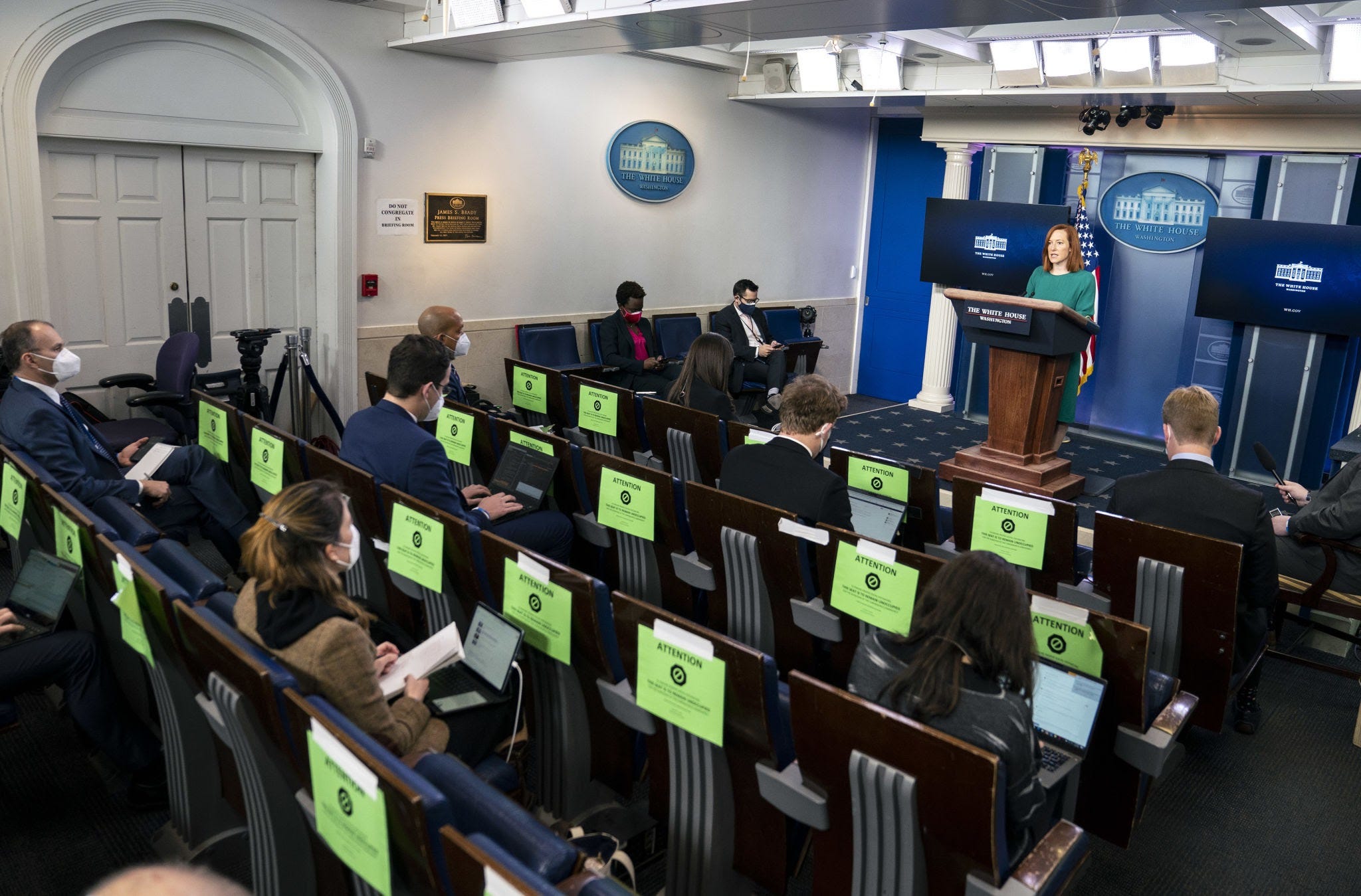
The Trump administration has formally defended its controversial decision to ban three major news organizations from the White House, arguing in a new federal court filing that the president possesses the legal authority to exclude specific journalists from the property.
The legal battle stems from a recent move by President Donald Trump to revoke the White House press credentials of reporters from CNN, MS NOW, and Politico. The administration initially cited the outlets’ unfavorable coverage and accused them of publishing “fake news.”
In the latest filing submitted to a federal district court in Washington, D.C., the Department of Justice argued that the president’s actions are legally sound. The administration’s attorneys asserted that the critical coverage provided by the banned networks threatened national security, though the court filing reportedly did not offer specific details on how the reporting put the country at risk.
The three affected news organizations have aggressively pushed back, filing a joint lawsuit to have their access restored. They argue that the ban is a blatant violation of their First Amendment rights and constitutes “viewpoint discrimination”—a legal term describing when the government penalizes or restricts speech based solely on the specific views being expressed.
“The Constitution does not allow a president or any other government official to deprive the press of their First Amendment rights and liberty and property interests with no notice or process based solely on his dislike of the content of their reporting,” the outlets stated in their lawsuit.
The media organizations recently scored a temporary legal victory when U.S. District Judge Timothy Kelly issued a 14-day temporary restraining order, forcing the White House to immediately reinstate the press passes of the banned journalists. In his ruling, Judge Kelly noted that while he had not yet ruled on the broader First Amendment claims, it was highly likely the news outlets would be able to prove their Fifth Amendment due process rights were violated because they were not given proper notice or an opportunity to respond before their credentials were revoked.
The case is being closely watched by legal experts and First Amendment advocates. The ACLU of the District of Columbia has already filed a friend-of-the-court brief supporting the news organizations, arguing that the White House is “the people’s house, not the president’s private golf club.”
The temporary restraining order is set to expire soon, and the district court will likely have to rule on a more permanent preliminary injunction in the coming days as the unprecedented lawsuit continues to unfold.