

SEO Title: Alabama Sets Lethal Injection for Pawn Shop Killer
SEO Description: Alabama is scheduled to execute Jeffery Lee by lethal injection for the 1998 murder of an Elvis impersonator, three months after his nitrogen execution was blocked.
Niche Keywords: Jeffery Lee execution, Alabama lethal injection, Jimmy Ellis Elvis impersonator, nitrogen hypoxia ban Alabama, judicial override death penalty, William C. Holman Correctional Facility
Alabama Sets Lethal Injection Thursday for Killer of Elvis Impersonator After Nitrogen Ban
The state is pushing forward with a chemical execution after a federal judge ruled its original plan to use nitrogen gas was unconstitutionally cruel.
Alabama is set to execute a death row inmate by lethal injection on Thursday evening, just three months after a federal court intervened to block the state from putting him to death using nitrogen gas.
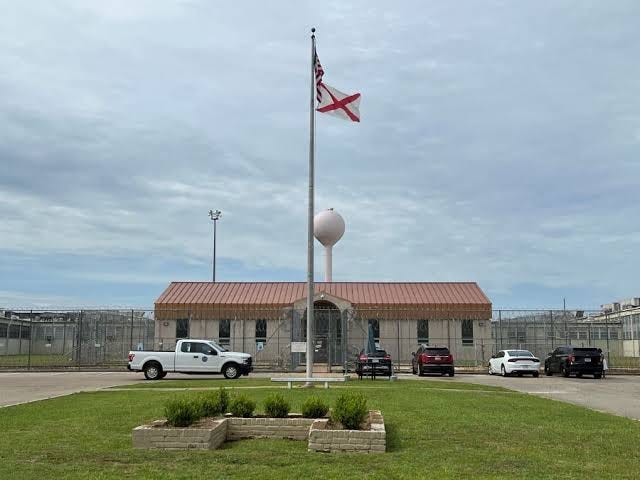
Jeffery Lee, 49, is scheduled to receive the lethal injection at 6 p.m. at the William C. Holman Correctional Facility in southern Alabama. Lee was convicted for the 1998 double murder of Jimmy Ellis, a local pawn shop owner and famed Elvis Presley impersonator, and his employee, Elaine Thompson, during a robbery in rural Dallas County.
The state originally intended to execute Lee on June 11 using nitrogen hypoxia. However, that plan was halted when U.S. District Judge Emily Marks ruled that Alabama’s nitrogen protocol violated his Eighth Amendment rights against cruel and unusual punishment. Following the unprecedented injunction, the Alabama attorney general’s office immediately sought a new execution date utilizing lethal injection instead.
Final Appeals and a Controversial Sentence
As the Thursday execution looms, Lee’s legal team is making a final desperate appeal to the U.S. Supreme Court, citing two major points of legal contention.
First, they argue that the state is legally bound to a 2018 settlement agreement. In that agreement, Lee dropped a lawsuit challenging the state’s lethal injection protocol in exchange for Alabama’s promise that, if he were to be executed, it would be by nitrogen hypoxia. His attorneys claim the state forfeited its right to pivot back to chemical injection.
Second, defense attorneys and clemency supporters are pointing to Lee’s original sentencing phase. In 2000, the jury that convicted Lee voted 7-5 to recommend a sentence of life in prison without the possibility of parole. However, the trial judge utilized a practice known as “judicial override” to reject the jury’s recommendation and sentence Lee to death.
While Alabama passed a law in 2017 abolishing judicial overrides in capital cases—making it the final state in the nation to ban the practice—the law was not applied retroactively. This loophole left Lee and approximately two dozen other inmates on death row.
“Nearly twenty-eight years is decades too long,” lawyers for the Alabama attorney general’s office wrote in a recent filing, urging the high court to allow the execution to proceed. They maintain that an unpunished murder constitutes an ongoing harm to the rule of law and that nothing precludes the state from switching to its primary execution method.