

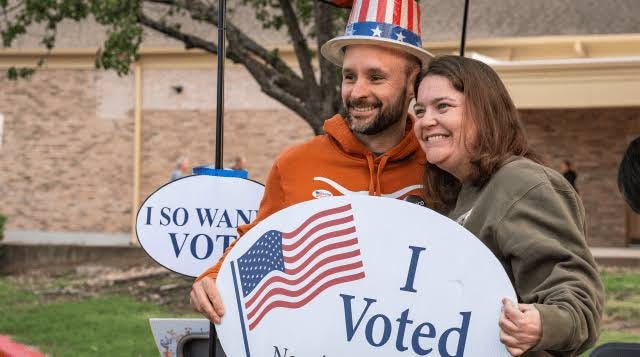
Millions of Americans are heading to the polls today for the 2026 midterm elections, marking a pivotal crossroads for both major political parties. The high-stakes contest will determine the legislative balance of power in Washington,effectively serving as a nationwide referendum on President Donald Trump’s administration and his policy agenda.
At the center of the electoral battleground is the fight for control of the U.S. Congress. All 435 seats in the House of Representatives are up for grabs. Currently, Republicans hold a razor-thin majority of 218 seats against the Democrats’ 214, meaning a swing of just a few tightly contested districts could flip control of the chamber. A divided government could introduce significant hurdles for the president’s domestic initiatives over his final two years in office.
The battle for the U.S. Senate is equally competitive. Thirty-five Senate seats are on the ballot this year, including two special elections. Republicans currently control the upper chamber with a 53-47 margin (including independents who caucus with the Democrats). To seize a majority, Democrats need a net gain of four seats. Beyond the federal legislature,voters will also decide the outcome of 36 gubernatorial races and thousands of state and local offices across the country.
With over 57 million early and mail-in ballots already cast before Election Day, political analysts anticipate record-breaking midterm turnout. While results in certain competitive battlegrounds may take days to finalize due to state-by-state variations in vote counting procedures, both parties are heavily invested in securing the narrow margins necessary to shape the nation’s political landscape heading into 2028.