

SEO Title: Kalshi Blocked From Event Contracts on Tribal Lands
SEO Description: A U.S. appeals court has blocked Kalshi from offering sports event contracts tied to Native American lands, handing a major victory to California tribes.
Niche Keywords: Kalshi sports event contracts, Ninth Circuit Court of Appeals Kalshi, Blue Lake Rancheria lawsuit, Native American tribal gaming laws, prediction market gambling
Appeals Court Blocks Kalshi From Offering Event Contracts on Native American Lands
A federal ruling hands a significant victory to California tribes, determining that the prediction market’s contracts likely violate tribal gaming ordinances.
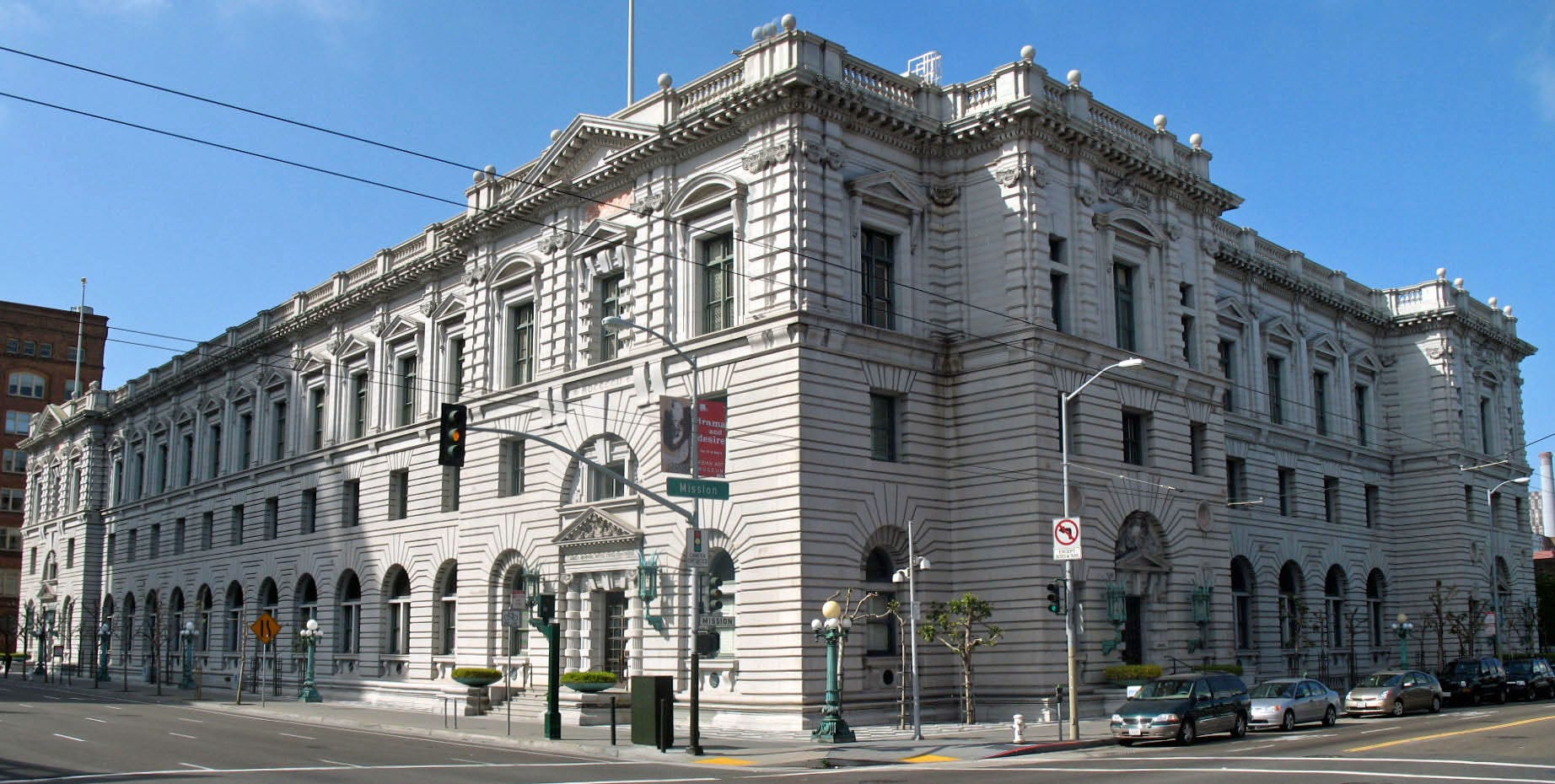
The 9th U.S. Circuit Court of Appeals in San Francisco has dealt a major blow to prediction market platform Kalshi, blocking the company from offering sports event contracts tied to Native American lands.
In a unanimous 3-0 decision issued on Wednesday, the appellate court ruled that Kalshi’s contracts likely constitute unauthorized wagers under federal law and violate the exclusive gaming ordinances of two California tribes.
The ruling stems from a lawsuit filed by the Blue Lake Rancheria and the Chicken Ranch Rancheria of Me-Wuk Indians.The tribes accused Kalshi and trading platform Robinhood of infringing upon their exclusive rights to manage sports betting on their lands, taking particular issue with Kalshi’s advertisements claiming its platform offered “Sports Betting: Legal in all 50 States”.
Class III Gaming and Future Battles
Writing for the court, Circuit Judge Margaret McKeown classified Kalshi’s sports event contracts as class III gaming under the federal Indian Gaming Regulatory Act. She noted that purchasing a $100 contract on the Kalshi platform effectively mirrors the financial stake and contingency of a traditional $100 wager placed on a conventional sports betting app.
The decision marks a substantial victory not only for the tribes but also for a bipartisan coalition of 27 states that supported the appeal. The coalition argued that allowing Kalshi to operate these prediction markets unchecked on reservations would severely undermine state and tribal authority to regulate and stop illegal gambling.
Tribal attorney Les Marsten praised the outcome, calling the appellate decision “a great victory for the tribes”. He pointed out that Kalshi could have easily utilized geofencing technology to prevent users from purchasing the contracts while on reservations.
Kalshi spokesperson Elisabeth Diana indicated that the company is considering an appeal. Legal analysts anticipate that the ongoing battle over who has the ultimate authority to regulate these prediction markets—state and tribal gaming commissions or federal commodities regulators—could eventually reach the U.S. Supreme Court.