

Whistleblower alleges repeated warnings went unheeded
A U.S. Army officer who survived a deadly Iranian drone strike in Kuwait has filed a whistleblower complaint alleging that senior military officials failed to act on repeated warnings about the vulnerability of an American command post before the attack.
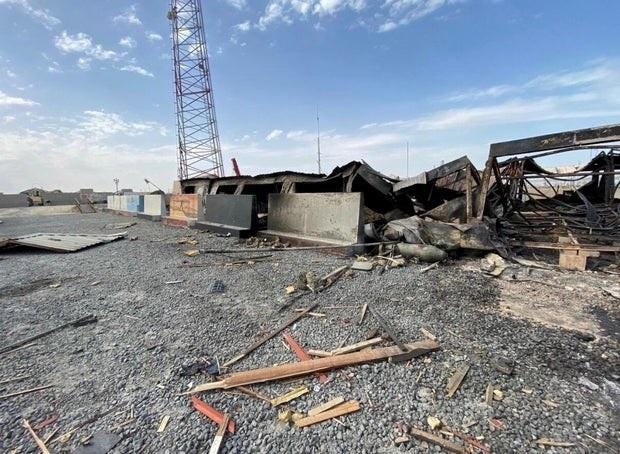
Army Maj. Stephen Ramsbottom submitted the complaint to the House and Senate Armed Services Committees on November 13. He alleges that military leaders dismissed concerns about inadequate protection against aerial attacks at Port Shuaiba, where an Iranian drone struck a U.S. Army operations center on March 1, killing six American service members and injuring dozens more.
The strike occurred during the opening days of the U.S.-Israeli military campaign against Iran. It was the deadliest attack on American forces in the conflict.
Ramsbottom told CBS News’ 60 Minutes that he had raised concerns about the site’s defenses before the attack. According to his account, warnings about the drone threat were brought to senior officers, but the concerns were dismissed. He also said that requests for additional counter-drone protection were not fulfilled before the strike.
“We just did not plan this well, and this needs to be a lesson that we learn,” Ramsbottom said in the interview.
Questions about the command post’s defenses
The complaint raises serious questions about the level of protection available to American troops stationed at Port Shuaiba.
According to the whistleblower’s account, the facility lacked a roof or other adequate protection against aerial attacks. The complaint also alleges that the site had no physician, no permanent medical aid station and only one ambulance.
Ramsbottom’s allegations suggest that the facility’s defenses were designed primarily for older threats, such as mortar fire and vehicle-borne explosives, rather than the increasingly sophisticated drone warfare used by Iran.
Other accounts cited by CNN also described the site as inadequately protected against drones and missiles. A source familiar with the facility reportedly said its concrete barriers were not designed to stop aerial attacks.
The complaint further questions why U.S. personnel were concentrated at the port when other locations may have offered better protection.
Pentagon’s earlier statements face renewed scrutiny
The allegations renew scrutiny of statements made by Defense Secretary Pete Hegseth shortly after the attack.
At a March 2 news conference, Hegseth described the incident as an example of a projectile getting through U.S. defenses. He referred to the drone as a “squirter” and said it struck a fortified tactical operations center.
Ramsbottom’s account challenges the characterization of the facility as adequately protected, raising questions about whether commanders fully assessed the threat before positioning troops there.
The Pentagon has not publicly released the findings of its investigation into the March 1 attack. A Pentagon spokesperson declined to comment on the specific allegations in Ramsbottom’s complaint, according to CBS News.
Lawmakers demand answers and independent review
The whistleblower complaint has intensified pressure on the Defense Department to explain what commanders knew about the threat and whether preventive measures were available.
Sen. Richard Blumenthal, the top Democrat on the Senate Permanent Subcommittee on Investigations, has called on Hegseth to provide a classified briefing and release relevant force-protection assessments for Port Shuaiba.
Ramsbottom has also sought an independent investigation by the Pentagon’s inspector general. His legal representatives argue that the Army’s existing review has not adequately addressed questions about decisions made by senior commanders before the attack.
The findings of the military investigation have not been made public, and the allegations in the complaint have not been independently established.
Why the complaint matters
The case raises broader questions about how the U.S. military prepares for modern drone warfare, particularly as inexpensive, one-way attack drones have become a major threat to American forces and installations across the Middle East.
It also places renewed attention on the responsibility of military commanders to evaluate intelligence warnings, provide adequate force protection and ensure that troops have the medical resources needed to respond to mass-casualty incidents.
For the families of the six soldiers killed and the service members who survived, the central question remains whether the tragedy could have been prevented.
Until the Pentagon releases its findings, the whistleblower’s allegations and the military’s decisions before the attack will remain subjects of congressional and independent scrutiny.