

Boeing has officially secured a highly coveted U.S. Navy contract valued at over $20 billion to develop and manufacture the service’s new sixth-generation strike fighter, known as the F/A-XX.
The Pentagon announced the major full-scale development award this week, confirming that Boeing had defeated rival Northrop Grumman to win the program. The victory represents a monumental turnaround for Boeing’s defense division. Having already won the U.S. Air Force’s Next Generation Air Dominance (NGAD) competition for the F-47 fighter in 2025, Boeing is now positioned as the sole prime contractor for both of America’s sixth-generation crewed combat aircraft programs.
Acting Navy Secretary Hung Cao praised the massive acquisition, calling it the dawn of a “new era” for naval aviation.
“The Sixth-Generation fighter is a generational leap in air superiority and will provide the world’s best aviators with unparalleled capabilities to fight, win, and come home safe,” Cao stated. “We are excited to partner with Boeing, and for our warfighters to continue to dominate the skies and defeat our nation’s enemies.”
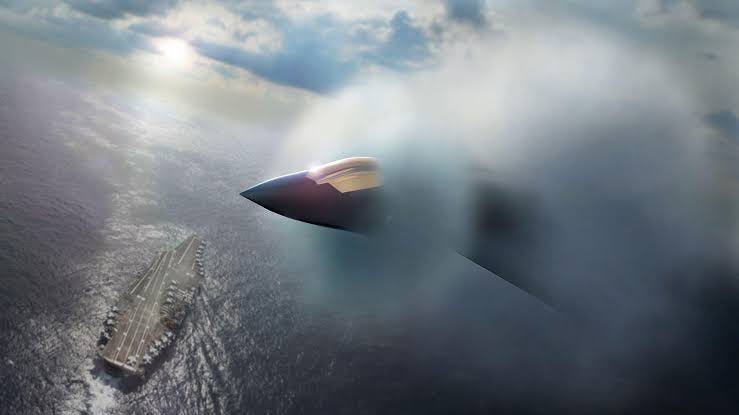
The F/A-XX is intended to be a carrier-based multirole strike fighter that will replace the aging fleet of F/A-18E/F Super Hornets and EA-18G Growlers beginning in the 2030s. According to the Navy, the new aircraft will operate alongside the existing F-35C Lightning II and will be deeply integrated with uncrewed drone platforms, known as Collaborative Combat Aircraft.
While most specific technical details remain classified under national security laws, Boeing and the Navy have disclosed that the F/A-XX will feature an “open mission systems architecture” and massively upgraded sensor connectivity. Crucially, the aircraft is expected to have a significantly extended operational range, allowing future aircraft carriers to launch strikes and maintain air superiority while remaining further away from heavily defended, anti-access/area denial (A2/AD) threat zones.
Recently released concept renderings depict a sleek, tailless aircraft with a broad, highly swept wing design optimized for advanced stealth capabilities, though officials note the final configuration could still evolve.
Boeing noted that it is currently preparing a secure manufacturing facility in St. Louis to handle the production of the advanced fleet, simultaneously managing the gradual shutdown of its legacy Super Hornet assembly lines.