

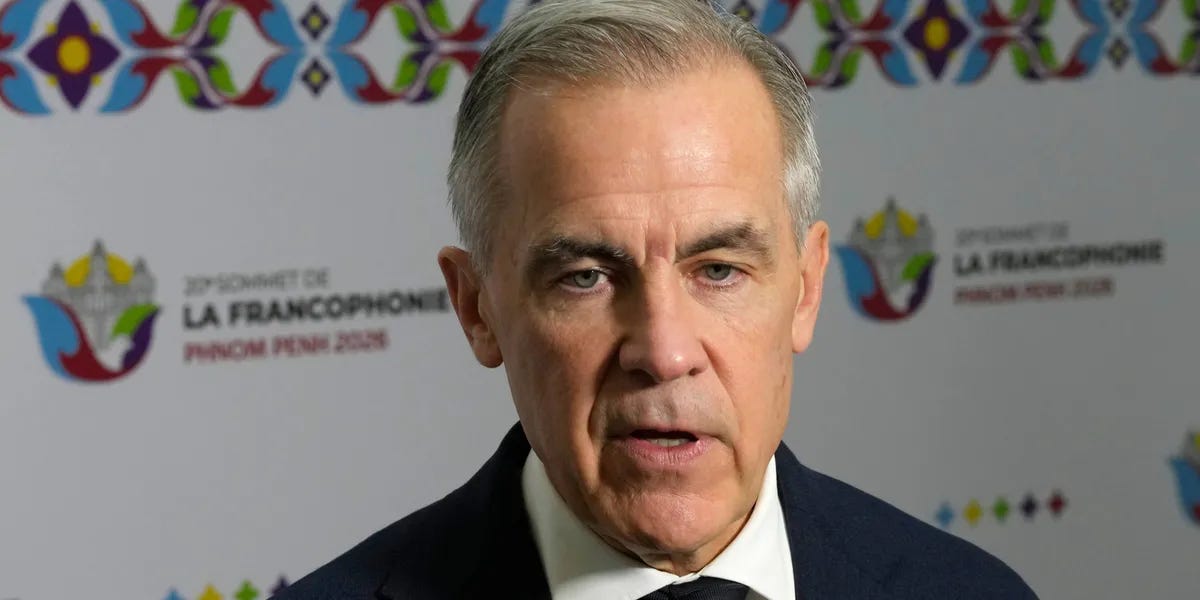
Canadian Prime Minister Mark Carney has issued a stark warning regarding the future of North American auto manufacturing, suggesting that Canada may aggressively pursue partnerships with Chinese automakers if trade negotiations with the Trump administration collapse.
Speaking in Ottawa on Monday, Carney addressed the looming threat of the 25% across-the-board tariffs that U.S. President Donald Trump has proposed for all Canadian and Mexican imports. The Prime Minister noted that while Canada’s primary objective remains securing a mutually beneficial bilateral trade agreement with Washington, his administration will not hesitate to protect its domestic manufacturing sector by exploring alternative global partnerships if necessary.
“If the United States chooses to erect barriers that fundamentally undermine the integrated North American auto industry, Canada will have no choice but to look elsewhere to secure the future of our workers and our transition to a clean economy,” Carney stated. He explicitly pointed to major Chinese electric vehicle (EV) manufacturers, such as BYD and NIO, which have been aggressively seeking footholds in the North American market, as potential strategic partners.
The strategy represents a significant escalation in the ongoing trade dispute between the neighboring nations. Canada’s auto sector is deeply intertwined with the United States, with vehicles and parts frequently crossing the border multiple times during the assembly process. The imposition of Trump’s proposed tariffs would likely disrupt these established supply chains, raising costs for consumers and manufacturers alike.
However, embracing Chinese automakers would not be without significant geopolitical complications. The Biden administration previously imposed heavy tariffs on Chinese EVs to protect the U.S. market, a stance the Trump administration strongly supports. Allowing Chinese manufacturers to establish major production hubs in Canada could further strain Ottawa’s relationship with Washington and complicate broader Western efforts to counter Beijing’s growing dominance in the global EV supply chain.