

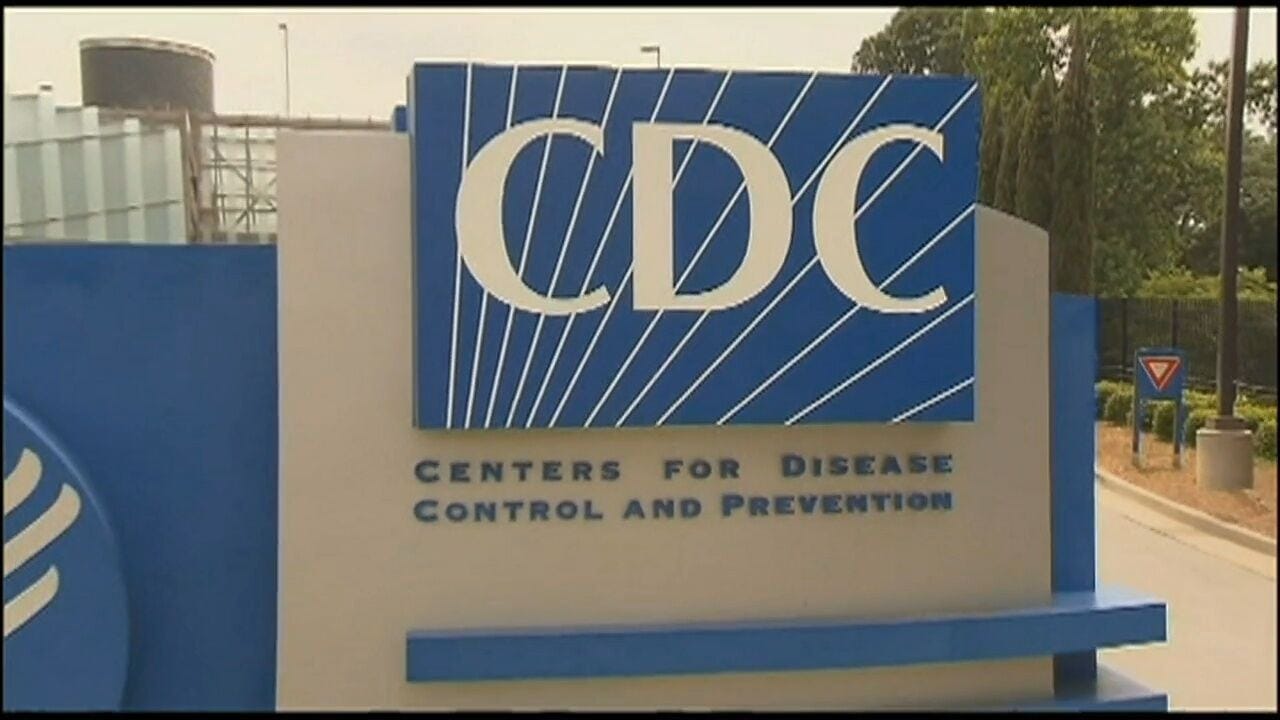
The Centers for Disease Control and Prevention (CDC) has dispatched an Epidemic Intelligence Service officer—commonly known as a “disease detective”—to Pennsylvania as the state battles its most severe measles outbreak in three decades.
Federal health officials have also injected nearly $4 million in emergency funding to help local health agencies improve contact tracing, expand community outreach, and increase vaccine accessibility across the hardest-hit counties.
The Epicenter of a National Resurgence
Pennsylvania has quickly become the primary hotspot of a growing national crisis. Official health data indicates the state has recorded over 1,200 confirmed cases—accounting for more than a quarter of the 4,410 cases nationwide—and at least six deaths linked to measles complications. Around a third of the Pennsylvania cases have been identified in children.
The highly contagious virus is also causing major shifts in prenatal healthcare protocols. The outbreak has infected at least 50 pregnant women in the state, prompting doctors in the affected areas to rapidly adjust how they care for expecting mothers and their newborns.
Unvaccinated Populations Drive the Spread
According to CDC surveillance data, approximately 96% of total measles cases across the country involve individuals who are entirely unvaccinated or lack documented proof of their immunization status against the virus.
Despite the clear data highlighting the need for higher vaccination rates, the federal intervention comes on the heels of mounting tension between state officials and federal health leadership. In recent weeks, the two sides have experienced public friction regarding how resources should be allocated and how to best message the efficacy of the MMR (measles, mumps, and rubella) vaccine to a skeptical public.
As the “disease detective” hits the ground to map transmission chains, federal and state health workers face a race against time to contain the spread and prevent further tragedies in the region.