

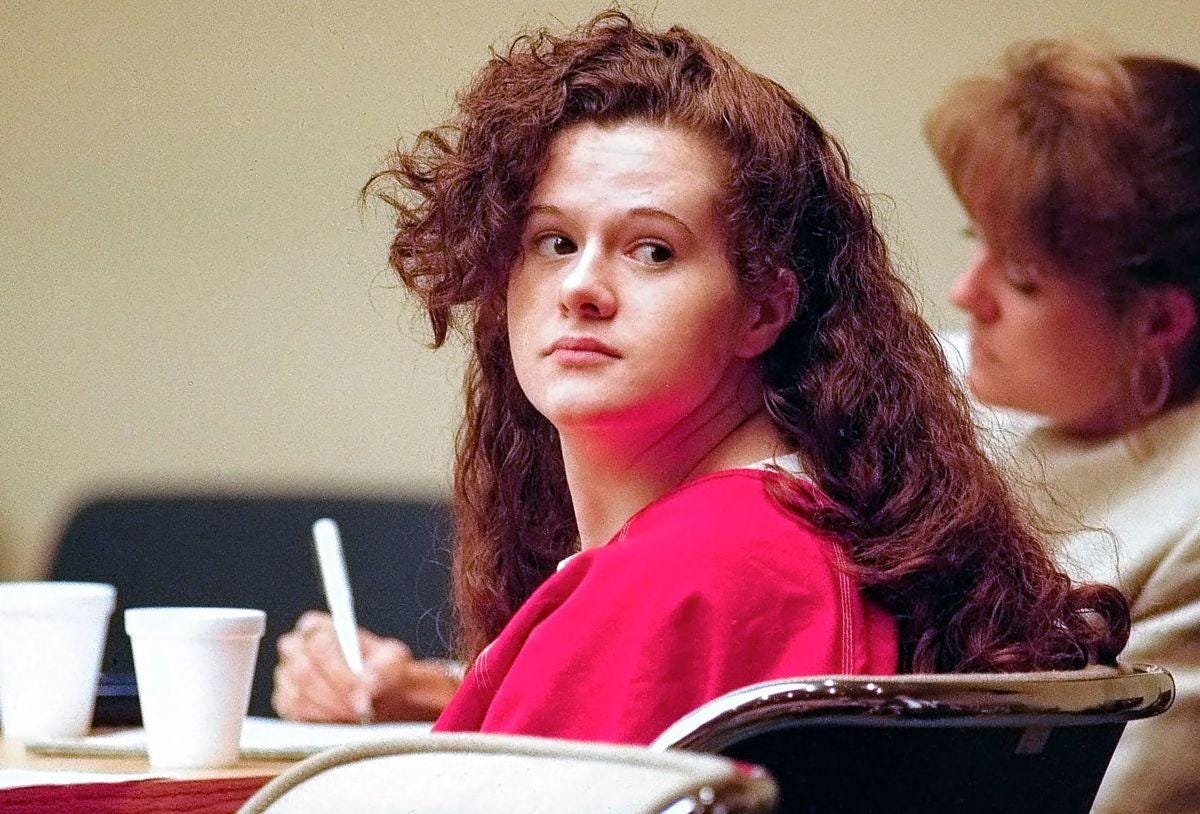
Christa Pike, the Tennessee death-row inmate who survived a failed lethal-injection execution, has been discharged from the hospital and returned to prison, her attorneys announced Saturday, October 10.
Pike, 50, is now back at the Debra K. Johnson Rehabilitation Center in Nashville, where she had been held for more than three decades. She will continue receiving medical care as she recovers from serious injuries sustained during the September 30 execution attempt.
Her survival has raised urgent questions about Tennessee’s execution procedures and the handling of lethal-injection drugs. State officials have launched a review, Gov. Bill Lee has suspended further executions for the remainder of the year, and Pike’s attorneys are seeking to preserve evidence they say may be essential to protecting her constitutional rights.
Attorneys Confirm Hospital Discharge
In a statement, Pike’s attorneys said she was continuing to receive medical treatment after being transferred back to the women’s prison.
They also expressed gratitude to the first responders and medical personnel who treated her following the failed execution.
Pike had spent more than a week hospitalized after the procedure left her in critical condition. Her attorneys previously described her condition as so serious that they feared she might be brain-dead.
She subsequently regained consciousness, began speaking and was reported to be walking with assistance. Her return to prison marks a significant development in her recovery, although her attorneys have cautioned that she faces a lengthy period of recuperation.
What Happened During the Failed Execution?
Tennessee attempted to execute Pike by lethal injection on September 30 at Riverbend Maximum Security Institution.
The procedure involved the administration of pentobarbital, a drug used in the state’s lethal-injection protocol. Pike survived two doses, and the execution was halted after officials recognized that the procedure had failed. She was subsequently transported to a hospital for emergency treatment.
According to accounts from attorneys and witnesses, execution personnel struggled to establish intravenous lines before administering the drugs. Pike later suffered serious injuries to her arms.
Her attorneys have alleged that the IV lines were improperly placed, potentially allowing the drug to enter surrounding tissue rather than the bloodstream as intended. Medical and execution-protocol experts have also raised questions about whether the IV placement contributed to the failure.
Tennessee officials have not publicly provided a complete explanation of what went wrong. The precise cause remains under investigation.
Court Orders Evidence Preserved
Pike’s legal team has moved to preserve evidence connected to the execution attempt, including material that could help establish what happened during the procedure.
A Tennessee judge ordered state officials to preserve evidence related to the failed execution. Her attorneys say the records are important to evaluating whether the state violated her constitutional protections against cruel and unusual punishment.
The legal dispute could examine the execution team’s actions, the administration of the drugs, the injuries Pike sustained and the state’s compliance with its own procedures.
The evidence-preservation order does not itself establish that Tennessee violated the Constitution. That question would depend on further legal proceedings and the evidence presented.
Governor Suspends Executions as State Reviews Procedures
Gov. Bill Lee suspended executions in Tennessee for the remainder of 2026 while officials investigate Pike’s case and a separate failed execution involving Tony Carruthers in May.
In the Carruthers case, prison officials were reportedly unable to establish the necessary intravenous lines. The similarities have intensified questions about the state’s execution preparations and protocols.
The fallout from Pike’s execution attempt also included the resignation of Tennessee’s prison chief, Frank Strada.
The state’s review is expected to examine what happened during the procedure and whether changes are needed. Until that process advances, Tennessee’s scheduled executions remain suspended under the governor’s directive.
Pike Was Sentenced for the 1995 Killing of Colleen Slemmer
Pike was sentenced to death for the 1995 murder of Colleen Slemmer, a fellow student whom Pike and two other teenagers attacked when Pike was 18.
The case involved the beating and stabbing of Slemmer and has remained a high-profile Tennessee criminal case for decades. Pike was the only woman on Tennessee’s death row, and the state’s September 30 attempt would have been its first execution of a woman in more than 200 years.
Pike’s legal team had also sought clemency before the scheduled execution, citing her personal history and other mitigating circumstances. The clemency request was denied before the state proceeded with the lethal-injection attempt.
A Rare Failure Renews Debate Over Capital Punishment
Pike’s survival has drawn national attention because she is identified by the Death Penalty Information Center as the first known person in the United States to survive after lethal-injection drugs were administered during an execution attempt.
The case has renewed debate over the reliability of lethal-injection procedures, the responsibilities of prison officials and the constitutional limits governing executions.
Death-penalty opponents argue that the incident demonstrates the risks and potential suffering associated with lethal injection. Supporters of capital punishment may distinguish failures in carrying out a sentence from the legality of the sentence itself. The investigation and ensuing legal proceedings will help determine how Tennessee responds to the specific failures alleged in Pike’s case.
For now, Pike remains under a death sentence and in state custody. Her return to prison does not resolve the legal questions surrounding the failed execution, and no new execution date has been announced in the reporting available as of October 11.
The central questions remain what caused the procedure to fail, whether the state followed its approved protocol and what consequences, if any, will follow from the investigation.