

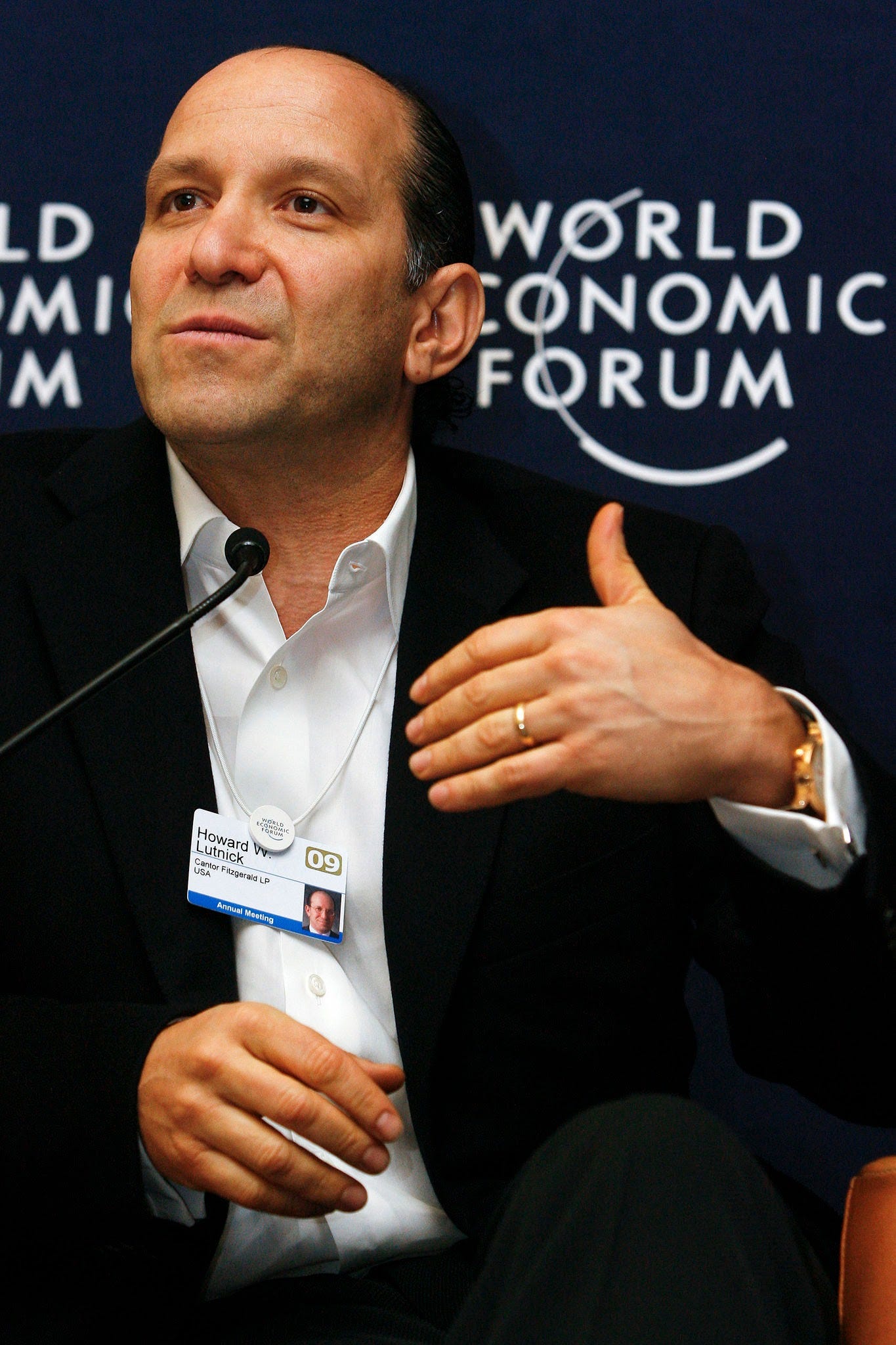
Commerce Secretary Howard Lutnick repeatedly slowed White House efforts to stop Nvidia chips from reaching China via third parties, according to a recent Axios report citing high-level sources.
President Donald Trump has authorized crackdowns on companies suspected of diverting Nvidia’s advanced AI hardware at least three times in 2026—in May, August, and most recently on November 5. Despite these explicit presidential directives, Lutnick reportedly stalled the implementation, warning that such aggressive export controls could trigger a devastating trade war with Beijing.
The internal administration conflict reached a boiling point during a November 5 Situation Room meeting. Treasury Secretary Scott Bessent directly confronted Lutnick over the Commerce Department’s resistance to enforcing the controls. The push for stricter enforcement was overwhelmingly backed by Defense Secretary Pete Hegseth, Secretary of State Marco Rubio, and U.S. Trade Representative Jamieson Greer.
The dispute subsequently moved to the Oval Office, where President Trump consulted tech billionaire Elon Musk. Musk voiced his support for the tighter controls, arguing alongside the other cabinet members that China was already acting aggressively in the tech space. Trump reportedly sided with his advisers, explicitly ordering Lutnick to “get it done.” Despite this clear directive, sources claim the restrictions have still not been fully implemented by the Commerce Department’s Bureau of Industry and Security.
The delay in enforcement arrives amid an unprecedented crisis for Nvidia. The chipmaking giant is currently engulfed in a massive scandal following revelations that its now-former CEO, Jensen Huang, engaged in an extramarital affair with a woman alleged by U.S. intelligence to be a Chinese spy. The resulting political fallout has intensified bipartisan demands in Washington for immediate and severe technology export restrictions to safeguard national security.