

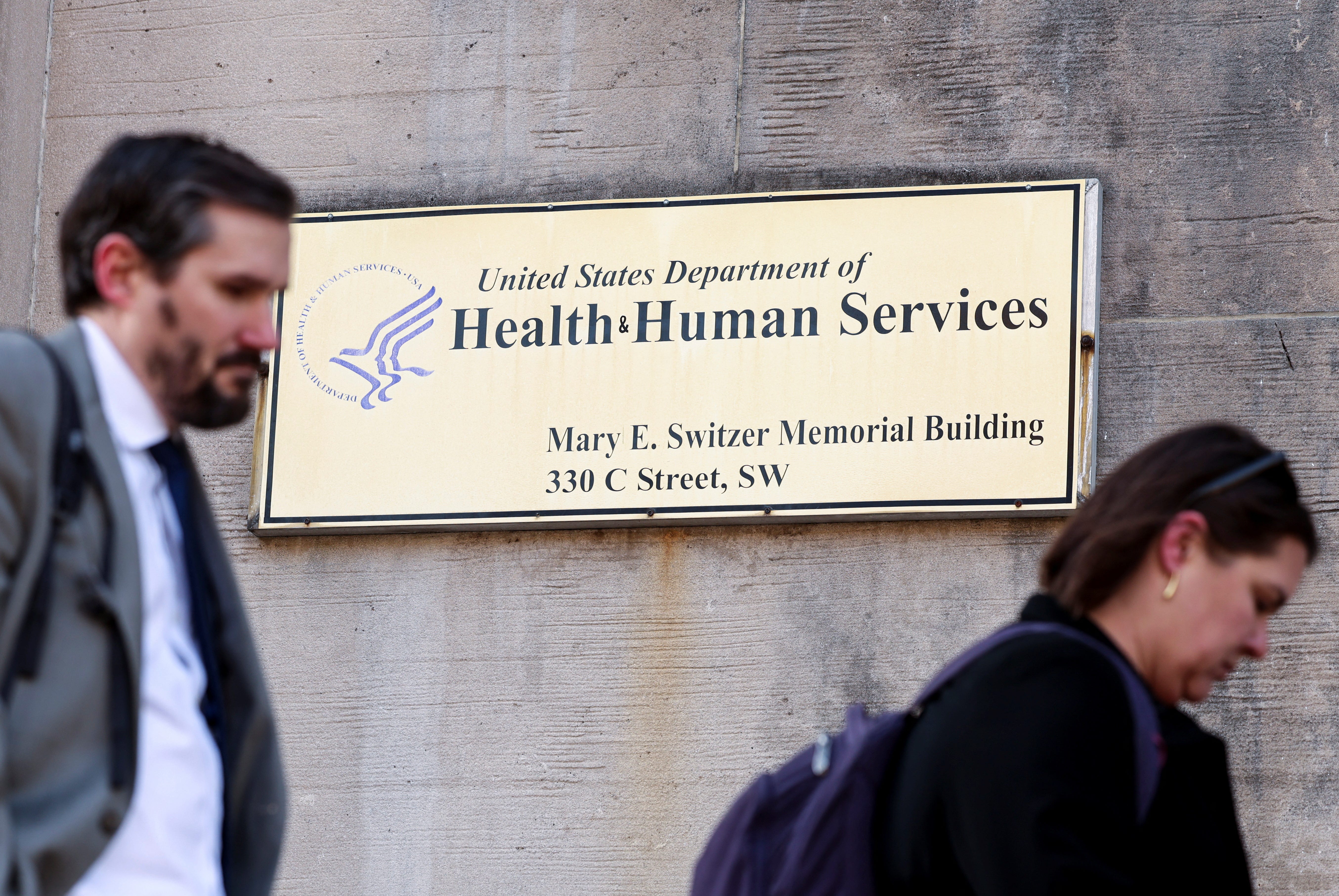
The United States is currently battling a severe organ shortage, and a proposed new policy aims to dramatically increase the supply of viable organs for transplant. However, the initiative is drawing fierce backlash from medical ethicists and healthcare professionals who argue the new guidelines cross a dangerous moral line.
At the heart of the debate are proposed changes to the procedures and medical definitions surrounding the determination of death for potential organ donors. While advocates of the policy argue that modernizing these protocols is a necessary and practical step to save thousands of patients currently languishing on extensive transplant waitlists, critics warn that the adjustments could compromise patient care and violate the core ethical principles of end-of-life medical practices.
The ongoing controversy highlights the delicate balance between the desperate need for transplantable organs and the strict safeguards required to protect patients at their most vulnerable. As the medical community and policymakers continue to debate the path forward, they must weigh the potential to save countless lives against the profound ethical implications of altering the boundaries of organ recovery.