

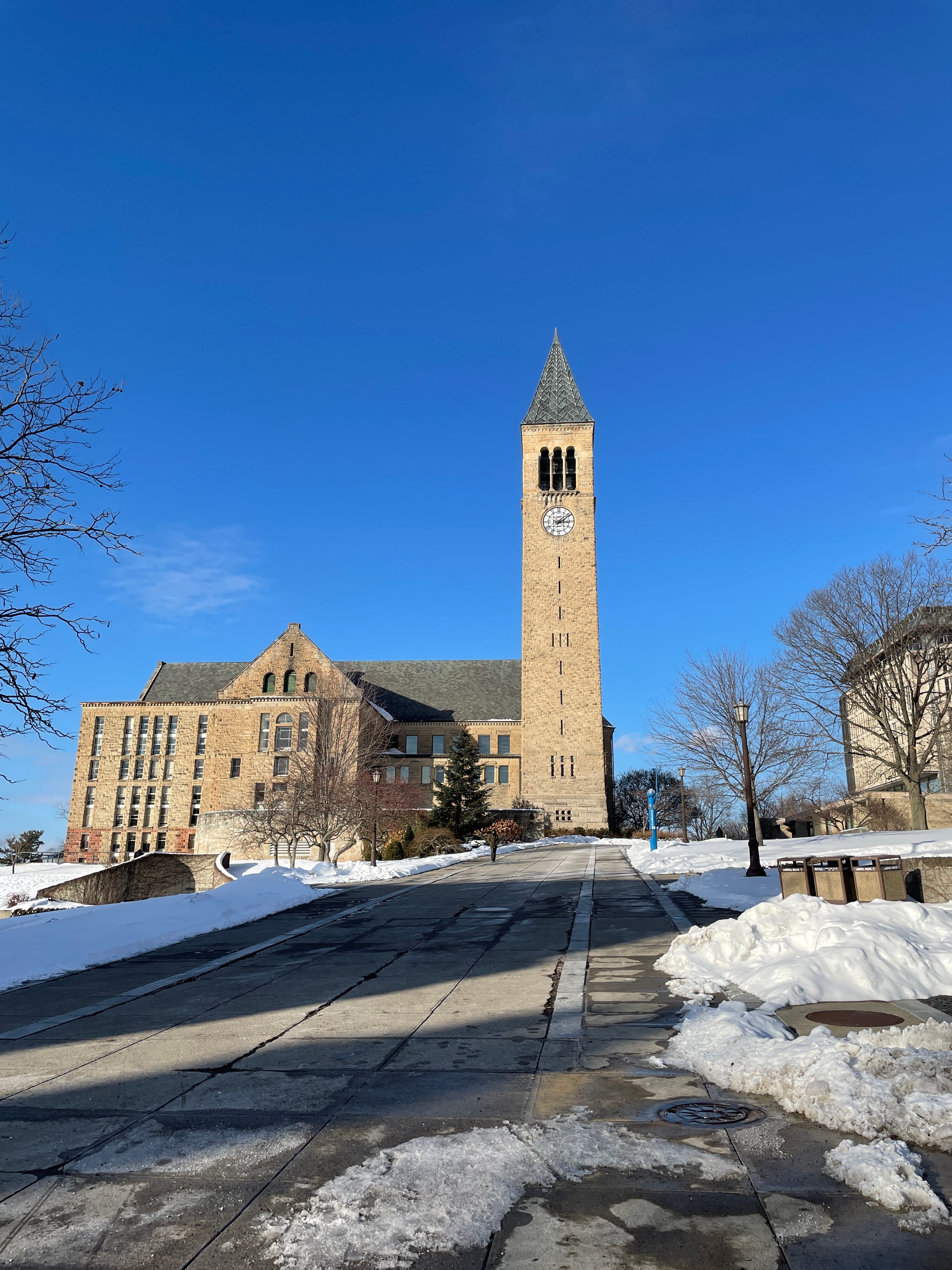
Faculty at Cornell University have introduced a rare resolution of no confidence against the university’s administration, targeting leadership over what they believe was a failure to adequately punish students accused of a 2024 gang rape.
The Cornell University Faculty Senate officially introduced the resolution on Monday. The governing body is expected to formally review the measure and put it on the agenda for a vote when it convenes on October 14. According to faculty representatives, approximately 40 of the Senate’s 75 voting members have already expressed support for the resolution, signaling deep and widespread anger with university leaders.
The faculty’s move directly follows massive student demonstrations earlier on Monday, during which thousands of students rallied on the Ithaca campus to protest the administration’s handling of the case. Protesters carried signs demanding “Justice for every Jane Doe” and called for the immediate resignation of top university officials.
The controversy centers on a September 2026 lawsuit filed by a former student, which alleges that she was assaulted by seven fraternity members in 2024. The detailed account has renewed intense public and legal scrutiny over how Cornell, local prosecutors, and the Title IX office handled the initial report. While the university maintains that it imposed consequential punishments at the time, critics argue the disciplinary actions were insufficient and lacked transparency, particularly given that the Tompkins County District Attorney has recently reopened a criminal investigation into the matter.
Sabrina Karim, an associate professor in Cornell’s department of government, spoke at Monday’s rally, stating that the administration’s actions have fundamentally broken the community’s trust. “We have to come together as a community nonviolently to demand change and to ensure that these basic principles are met,” she told the crowd.
In his first personal statement regarding the escalating crisis, Cornell President Michael Kotlikoff acknowledged the severe distrust that has gripped the Ivy League campus since the lawsuit was made public. However, the central questions driving the outrage—whether survivors are adequately protected, and whether students can feel confident reporting assaults—remain a major point of contention.
With the no-confidence vote looming next week, the university’s leadership faces unprecedented pressure to address the systemic issues surrounding campus safety and accountability in the wake of the allegations.