

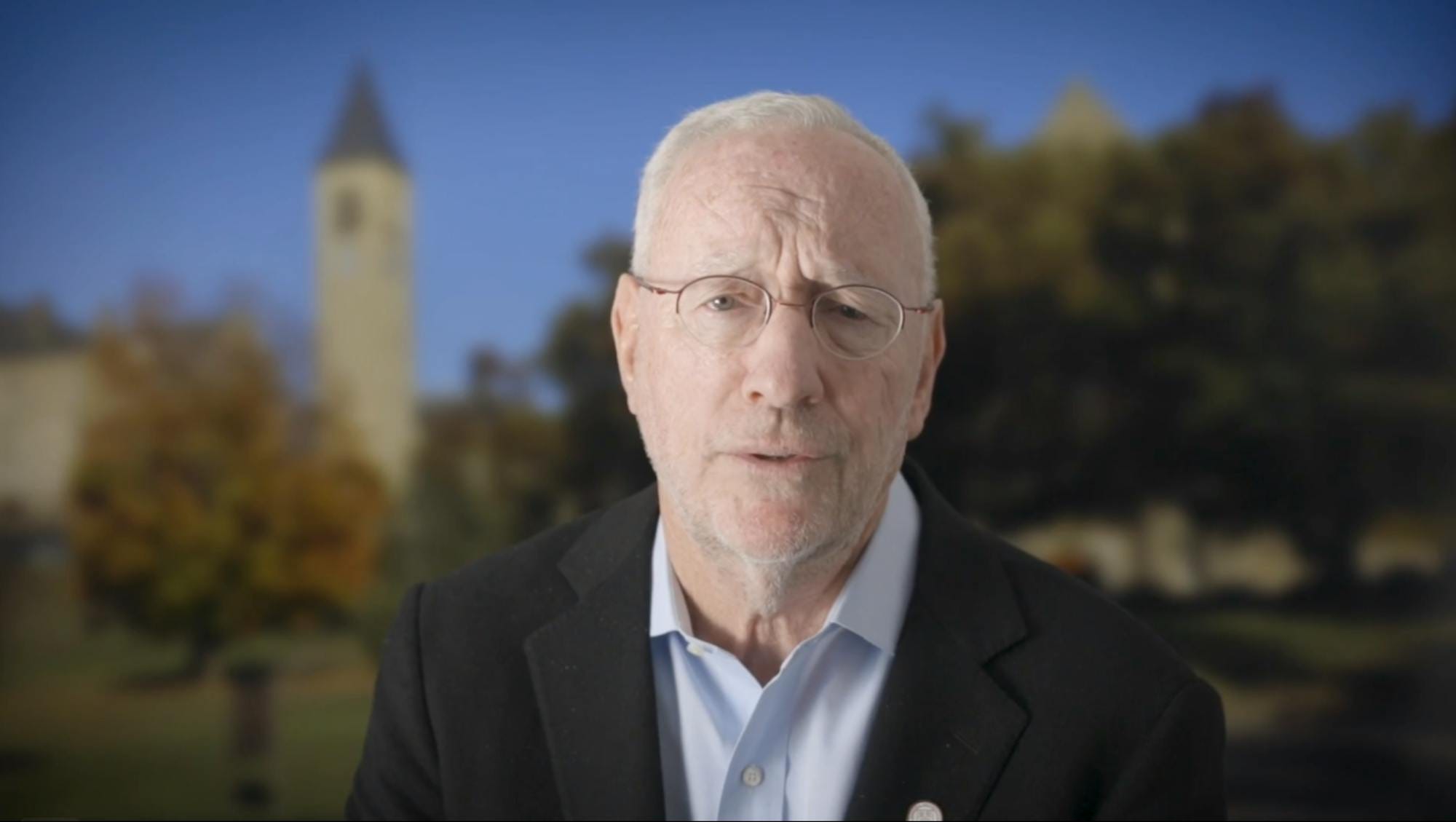
Cornell University President Michael Kotlikoff has publicly addressed the ongoing legal and cultural fallout stemming from the “Cornell Seven” controversy, in which a female student known publicly as “Jane Doe” filed a lawsuit alleging she was gang-raped by seven of her peers.
In a recent interview with The New York Times, Kotlikoff described the incident and its aftermath as a significant challenge for the Ivy League institution. He pointed to the broader cultural and environmental issues that young adults face when transitioning to college life.
“I think that this is a problem that relates to 20-year-olds, 21-year-olds leaving home for the first time,” Kotlikoff said in the interview. “Coming into an environment where there’s access to alcohol, where there is unfortunately in some cases access to drugs. And they’re not prepared. And of course they’ve been exposed to social media, pornography, misogyny.”
The controversy centers on a civil lawsuit filed last month. According to the complaint, the plaintiff alleges that after becoming heavily intoxicated at her sorority house and subsequently visiting two local bars, she walked to a fraternity house where she consumed ketamine and was sexually assaulted by the defendants.
The allegations are heavily disputed by the defendants and their legal teams. According to public filings and defenders of the accused students, the plaintiff allegedly characterized the October 2024 encounter as consensual in the days immediately following the event, before later changing her account and pursuing litigation.
Kotlikoff emphasized that the university’s role in the wake of such incidents is to foster a better campus environment. “We have to respond by building character, judgment, responsibility, [and] care for each other,” he stated.
The administration’s response—and the lawsuit itself—has sparked intense and polarized debate across the national media landscape regarding campus safety, Greek life, and personal responsibility.
While some student advocates and commentators have demanded that the university take stronger institutional action to dismantle toxic elements of fraternity culture and protect vulnerable students, others have criticized the university’s handling of the situation from a different angle. Conservative outlets, such as The Federalist, recently published commentary arguing that the university should not bear institutional blame for the voluntary consumption of alcohol and illicit drugs, framing the dispute strictly as a matter of individual legal and personal responsibility.
The university has not commented on the specific legal proceedings of the ongoing civil suit.