

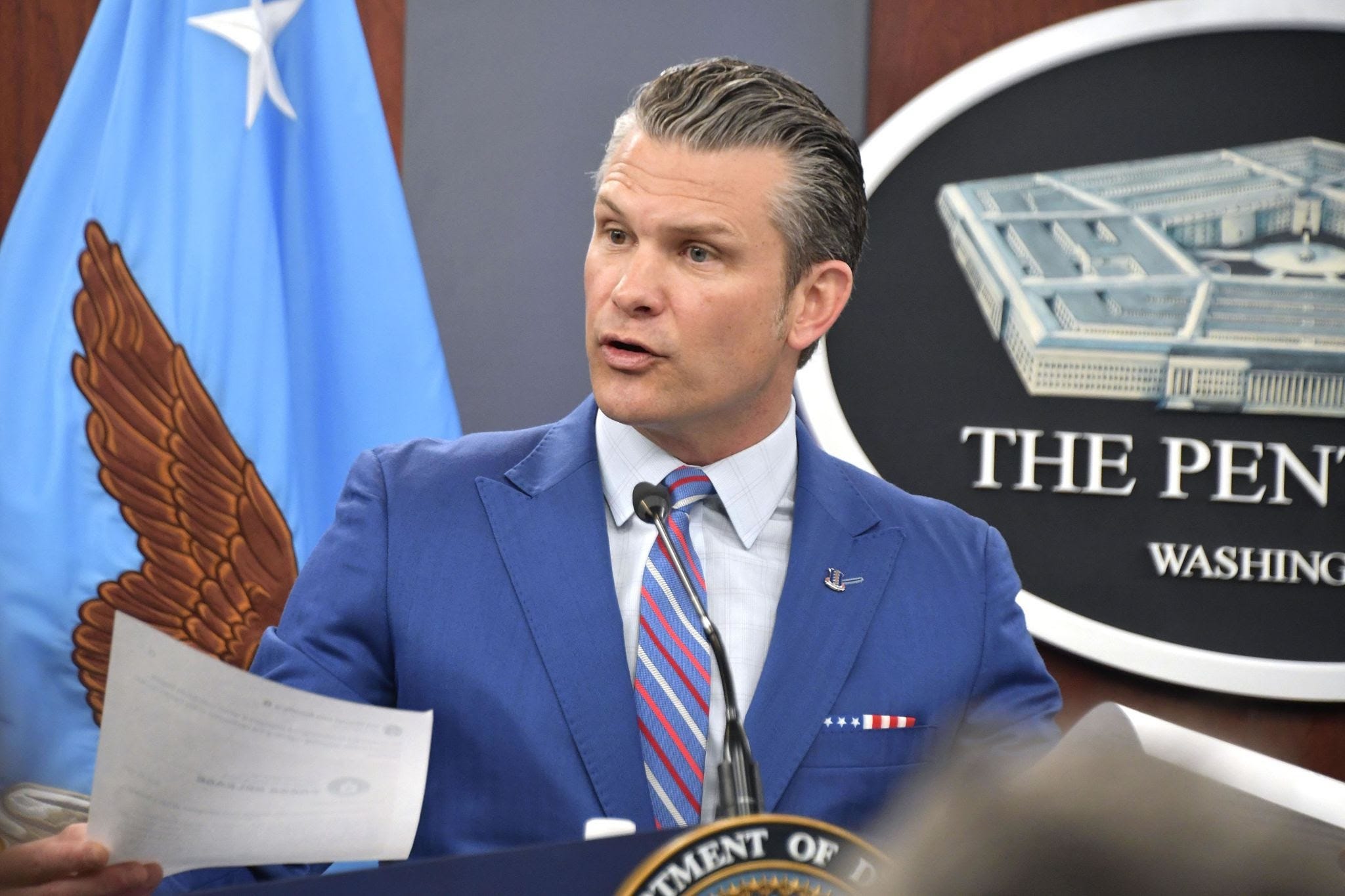
The Defense Department has announced a major shift in the academic structure of the nation’s top military colleges. According to a newly signed directive by Defense Secretary Pete Hegseth, the U.S. military service academies will immediately cease offering tenured faculty positions to civilian professors.
The sweeping policy change directly impacts prestigious institutions like the U.S. Military Academy at West Point, the Naval Academy in Annapolis, and the Air Force Academy. The move is designed to reshape the academies’ faculties by prioritizing flexibility and military experience over long-term civilian academic appointments. Existing faculty members who have already achieved tenure are not expected to be stripped of their status, though the exact implementation details remain under review.
In the official memo released on Tuesday, Hegseth cast the directive as a necessary step to refocus the institutions squarely on “lethality and readiness.” The Secretary argued that the traditional civilian tenure model contributes to “academic stagnation, faculty complacency, and institutional inability to adapt to emerging needs.” He further stated that the current system allows the curriculum to drift away from the core mission of educating warfighters in favor of the personal research priorities of tenured academics.
The decision has sparked immediate debate. In traditional higher education, tenure—a career-long academic appointment—is widely considered an essential safeguard for academic freedom, allowing professors to research and teach without fear of political or institutional retribution. Critics view Hegseth’s policy shift as part of a broader conservative effort to rein in higher education and limit the influence of civilian academics within the military ranks.
The directive arrives amid a wider wave of rapid reforms led by Hegseth, who has aggressively sought to streamline the Defense Department since taking office. Just days prior, internal memos revealed plans for a massive 20 percent reduction in general and admiral positions across the armed forces, further cementing his drive to dismantle bureaucratic layers and prioritize tactical dominance across all branches of the military.