

As the critical autumn harvest season accelerates, economic strain in America’s agricultural heartland is rippling into the political sphere. With nationwide diesel prices averaging $6.30 per gallon—over 70% higher than a year ago—and net farm income projected to fall by 2.6%, rural voters are facing severe financial pressures.
The economic squeeze coincides with peak fuel demand for farmers, prompting renewed attention from both major political parties as they look toward the highly competitive 2026 midterm elections.
Senate Races Tighten in the Midwest
The financial hurdles facing the agricultural sector have made several traditionally safe Republican Senate seats unexpectedly competitive. In Kansas, Republican Senator Roger Marshall is navigating a vigorous challenge from Democrat Adam Hamilton. A similar dynamic is unfolding in neighboring Nebraska, where the GOP has poured nearly $15 million into the race between Republican Senator Pete Ricketts and Dan Osborn.
Sensing shifting sentiments, both parties are heavily investing in rural outreach. Former Senator Jon Tester, a Montana Democrat, recently noted that the economic environment for farmers closely mirrors the severe agricultural crisis of the 1980s, suggesting that Democrats may overperform in rural districts if voter frustration translates into ballot-box shifts.
Executive Action and Campaign Rallies
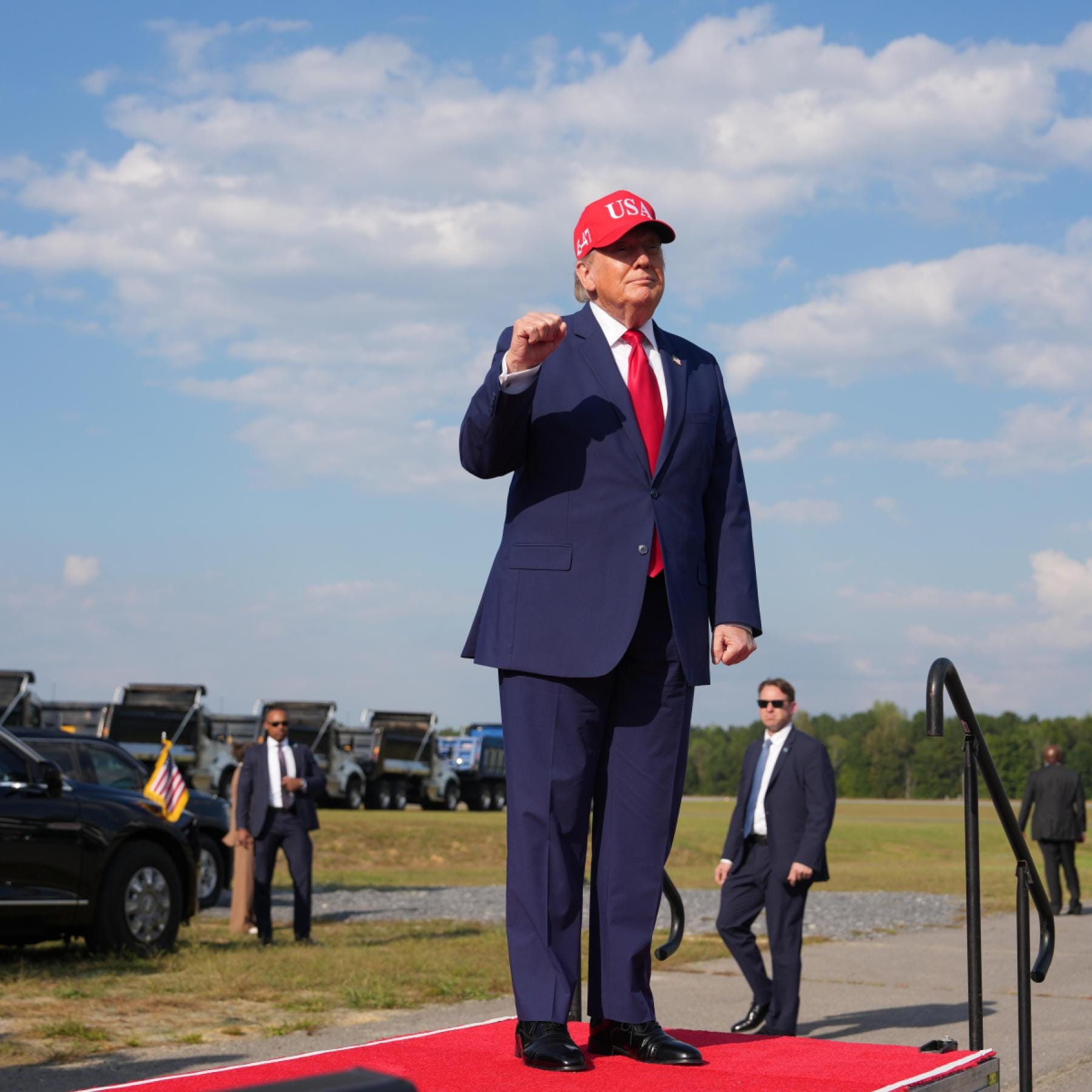
In response to the mounting pressure, President Donald Trump is embarking on campaign stops in Kansas and Iowa to energize rural voters and address their economic concerns directly.
Earlier this month, the Trump administration took executive action to ease limits on the usage of tax-free red-dyed diesel, a move officials state will save farmers millions of dollars during the costly harvest window. The executive order follows a $12 billion agricultural aid package announced last December, underscoring the vital importance of the rural electorate as both parties battle for control of the Senate.