

The U.S. Department of Justice announced on Thursday that it is seeking to dismiss more than 50 decades-old school desegregation consent decrees, citing outdated federal oversight of local school systems.
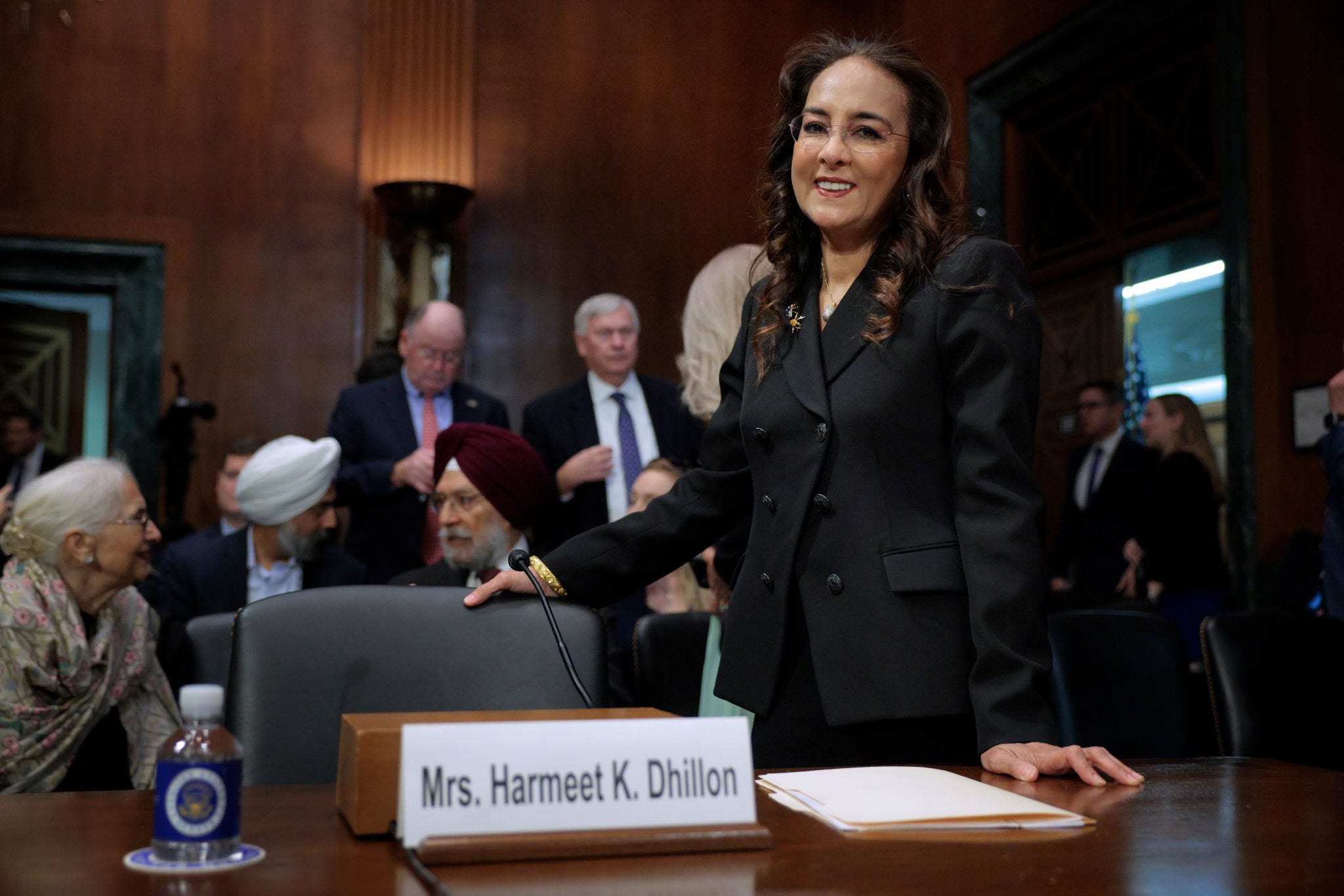
Assistant Attorney General Harmeet Dhillon, who currently leads the DOJ’s Civil Rights Division, is spearheading the effort to end federal monitoring of districts across the country, including those in Waterbury, Connecticut, and Flagler County, Florida.
Dhillon stated that her division is “ending prolonged federal oversight of these school districts” because the ongoing legal monitoring “does not reflect the reality of those classrooms today”.
The Legacy of Consent Decrees
The consent decrees in question are court-approved settlements that keep school districts under federal supervision until they can demonstrate they have completely eliminated the vestiges of racial segregation and achieved what is legally known as “unitary status”.
Many of the cases still open in federal court were originally filed in the 1960s and 1970s, following the landmark 1954 Supreme Court ruling in Brown v. Board of Education. For decades, the Civil Rights Division’s Educational Opportunities Section sued districts—particularly those operating under Jim Crow laws in the South—to force the desegregation of separate, under-resourced schools.
The DOJ has been quietly closing such cases piecemeal for over a year. In February, the department dismissed a 60-year-old case against Dyersburg City Schools in Tennessee, which followed similar closures in Hendry County, Florida, and Copiah County, Mississippi, in August 2025. In all of those instances, courts found that the districts had reached unitary status.
Civil Rights Advocates Push Back
The move to close the remaining cases en masse has drawn sharp criticism from prominent civil rights advocates.
Kristen Clarke, who led the Civil Rights Division under President Joe Biden and now serves as general counsel for the NAACP, warned that the administration’s push risks undoing decades of hard-fought educational progress.
“This Justice Department’s actions threaten to fuel resegregation and discrimination in public schools,” Clarke stated. She argued that the carefully negotiated consent decrees still “provide important protections for children today who face discrimination and barriers”.
Since taking over the division following her confirmation in April 2025, Dhillon has reshaped the department significantly, with reports indicating that more than 75% of its staff have resigned or retired early.
The DOJ maintained that it will continue a “case-by-case review” process, formally moving to close cases only once a district is found to have reached unitary status. Every dismissal will ultimately require approval from a federal judge.