

The U.S. Department of Education has officially rolled out the 2026-27 Free Application for Federal Student Aid (FAFSA) to all students, deploying the critical financial form more than a week before the congressionally mandated October 1 deadline.
Education officials are billing the release as the “earliest launch in the program’s history,” an achievement aimed at stabilizing the federal student aid process after years of technical difficulties and delays.
The successful launch comes after the department spent the summer conducting rigorous, phased beta testing of the application. The new form introduces several highly anticipated updates, including a streamlined system for inviting parents or other contributors to supply their financial information, as well as faster account verification protocols.
A Return to Stability
The on-time arrival of this year’s FAFSA represents a stark contrast to the turbulent cycles of the past two years.
In 2023, the Biden administration oversaw the first major redesign of the FAFSA in four decades, mandated by the FAFSA Simplification Act. However, the rollout was notoriously bungled. The form wasn’t made available until late December, and once online, students and families were met with relentless glitches and system lockouts. The ensuing data delays forced colleges across the country to drastically push back their traditional May 1 enrollment decision deadlines.
In response to the chaos, Congress passed a law in late 2024 legally mandating that the Education Department release the form by October 1 each year, requiring the education secretary to testify before lawmakers if the agency anticipates missing the mark.
‘Technical Competence’ Prioritized
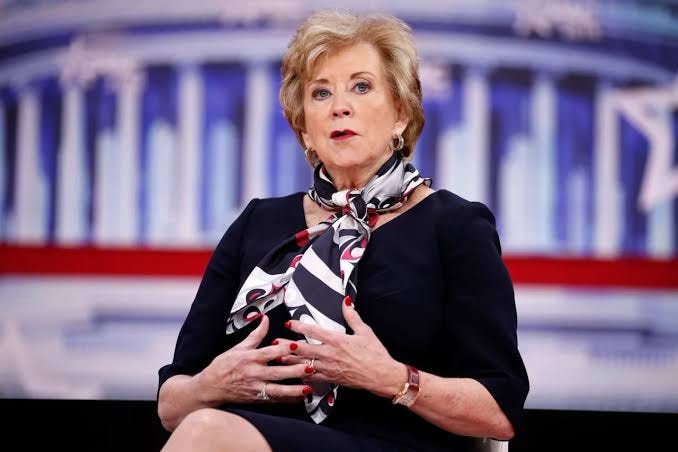
U.S. Education Secretary Linda McMahon, who officially certified the on-time launch to Congress last month, took the opportunity to highlight the new administration’s efforts to right the ship.
“Under President Trump’s leadership, our team has prioritized technical competence and expertise, which has led to the earliest testing launch of the FAFSA form in history,” McMahon stated.
McMahon did not mince words when reflecting on the prior administration’s handling of the financial aid system. “The Biden Administration failed the FAFSA rollout two years ago, leaving millions of American students and families without clear answers or a path forward in their educational journey,” she said. “Congress gave us a mandate to improve the form and deliver it on time for students, families, and institutions of higher education—and I am proud to certify that the form will launch on time this fall.”
The Department noted that the summer beta testing phase—a standard industry practice implemented this year—allowed federal staff to iron out software bugs, refine usability, and ensure the system could handle the massive influx of applicants for the fall launch.