

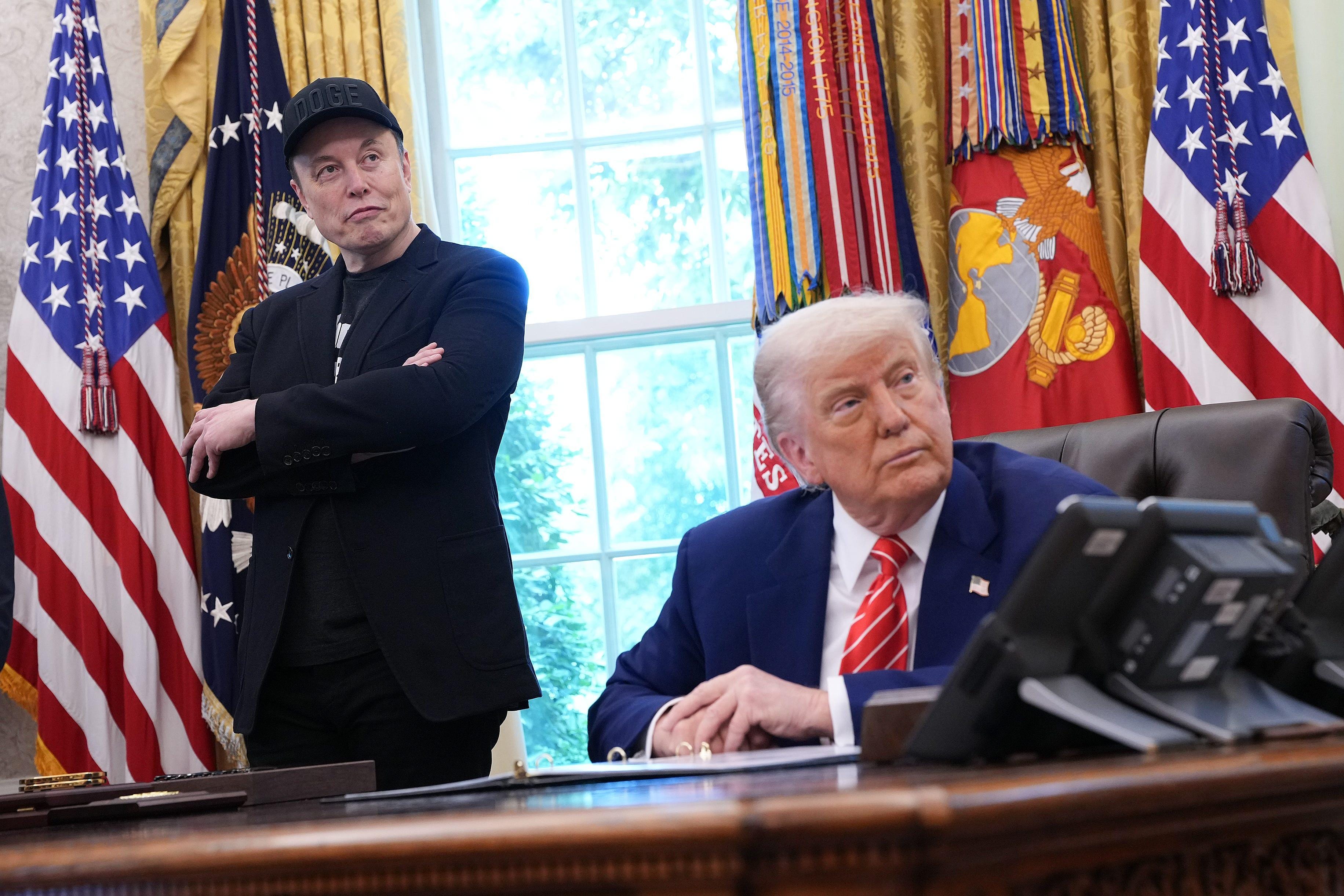
Elon Musk has spent approximately $366 million on the 2026 U.S. election cycle, emerging as one of the most consequential financial backers of Republican efforts to maintain control of Congress ahead of the November midterm elections.
The spending includes at least $276 million in contributions to Republican-aligned organizations and Musk’s own super PAC since July, according to campaign finance figures reported by Reuters on October 12. A spokesperson for America PAC, Musk’s political action committee, confirmed the latest donations.
The contributions represent a major return to high-profile political spending for Musk, who said last year that he intended to scale back his involvement in elections. His latest spending comes as Republicans face voter dissatisfaction over the economy, persistent living costs and the administration’s handling of the war with Iran.
$366 Million in Political Spending
Musk’s spending spans the current election cycle, which began January 1, 2025. Of the roughly $366 million reported so far, at least $276 million went to Republican groups and America PAC from July onward.
The largest disclosed contributions in the third quarter included $158 million to the Senate Leadership Fund, a super PAC dedicated to helping Republicans win Senate races.
Another $76 million went to America PAC, which has supported Republican candidates and voter-mobilization efforts. Musk also contributed $20 million to the Congressional Leadership Fund, which supports House Republicans, and $10 million to Lone Star Liberty PAC, a group backing Texas Republican Senate nominee Ken Paxton.
Additional contributions included $10 million to the Republican Governors Association and $2 million to the Republican Attorneys General Association.
The figures illustrate how a small number of wealthy donors can provide substantial resources to outside political organizations, allowing them to finance advertising and campaign operations independently of candidates’ official committees.
Where Musk’s Money Is Going
The Senate Leadership Fund received the largest share of the listed contributions. Its resources are intended to help Republican Senate candidates compete in closely contested races, while the Congressional Leadership Fund focuses on House contests.
America PAC is also working in battleground states and congressional districts, combining political spending with voter outreach. The precise impact of these investments on individual races will depend on how the money is deployed and how voters respond.
Musk Reverses Course on Political Spending
The new contributions mark a shift from Musk’s comments in May 2025, when he said he planned to reduce his political spending.
“I think I’ve done enough,” Musk said at the time, according to the Associated Press.
Musk had spent roughly $290 million during the 2024 election cycle, when he became one of Donald Trump’s most prominent financial supporters. His political operation helped support Trump’s presidential campaign and Republican candidates.
After Trump returned to office, Musk led the Department of Government Efficiency, or DOGE, before leaving his government role following a public disagreement with the president. The two have since reconciled, and Trump presented Musk with the National Medal of Science on October 8, 2026.
Musk’s latest spending demonstrates that, despite his earlier pledge to step back, he remains deeply involved in financing Republican political efforts.
Republicans Gain a Major Financial Resource
The donations provide Republican-aligned organizations with significant funding as the party seeks to preserve its majorities in Congress.
The Senate Leadership Fund is aligned with Senate Majority Leader John Thune, while the Congressional Leadership Fund supports House Speaker Mike Johnson’s party in House races.
The financial advantage comes at a challenging moment for Republicans. Recent reporting has highlighted voter frustration over prices and the administration’s performance, while Democrats are seeking to capitalize on those concerns in competitive districts and states.
Still, large contributions do not guarantee electoral success. Campaign spending can fund advertising, organizing and voter outreach, but the effect depends on the competitiveness of each race, the effectiveness of the campaigns and the issues voters prioritize.
Texas Senate Race Draws $10 Million
One of Musk’s largest individual contributions went to Lone Star Liberty PAC, which supports Paxton’s bid for the U.S. Senate in Texas.
Paxton, the state’s Republican attorney general, is facing Democrat James Talarico in a contest that recent polling has shown to be closely fought. Musk’s $10 million contribution adds substantial outside financial support to the Republican effort.
The Texas contest is particularly significant because Senate control could depend on a handful of competitive races. Musk’s spending is also directed toward other Senate contests and House districts where outside funding could influence the amount of advertising and voter outreach available to candidates.
Questions About Musk’s Influence and Government Ties
Musk’s political role has drawn scrutiny because of his business interests and his previous work in the Trump administration.
As the chief executive of SpaceX and a leading figure in other technology businesses, Musk operates companies that interact with the federal government. House Democrats have called for investigations into government contracts and Musk’s role in DOGE, raising questions about the relationship between political influence and private business interests.
The size of Musk’s donations has also revived a broader debate over the role of wealthy individuals and super PACs in American elections. Under current campaign finance rules, super PACs may raise and spend unlimited sums independently of candidates, although they are subject to disclosure requirements and cannot legally coordinate their spending with campaigns.
Musk’s contributions do not, by themselves, establish improper conduct. But the scale of the spending underscores the capacity of individual billionaires to shape the financial environment in which congressional candidates compete.
More Disclosures Expected Before Election Day
The latest figures are based on campaign finance information reported ahead of the next federal disclosure deadline. Additional filings are expected to provide more detail about contributions, expenditures and the organizations receiving the money.
Some political spending may also flow through organizations that do not immediately disclose their donors publicly. Reuters reported that Musk had provided additional money through groups that do not reveal donor identities, based on reporting by The New York Times and confirmation from an America PAC spokesperson.
With Election Day approaching on November 3, Musk’s financial commitment places him at the center of the battle over congressional control. Whether the spending translates into victories for Republicans will become clearer only as votes are counted, but its scale already makes Musk a central figure in the 2026 campaign finance landscape.