

Elon Musk’s tenure at the Department of Government Efficiency (DOGE) has come to an end, marking a significant moment in the pursuit of streamlined governance. Appointed by President Donald Trump, Musk’s mission was clear: identify and eliminate wasteful spending within the federal government.
Achievements and Challenges
Under Musk’s leadership, DOGE claimed to uncover substantial inefficiencies. Notably, the department reported that over 3.5 million Social Security recipients were listed as being over 140 years old, suggesting potential fraud in benefit disbursements. Additionally, DOGE identified a $20 billion slush fund within the Environmental Protection Agency, raising concerns about unchecked spending.
However, Musk’s aggressive approach faced criticism. Some federal auditors questioned the accuracy of DOGE’s findings, arguing that the department’s methods lacked the rigor of traditional audits.
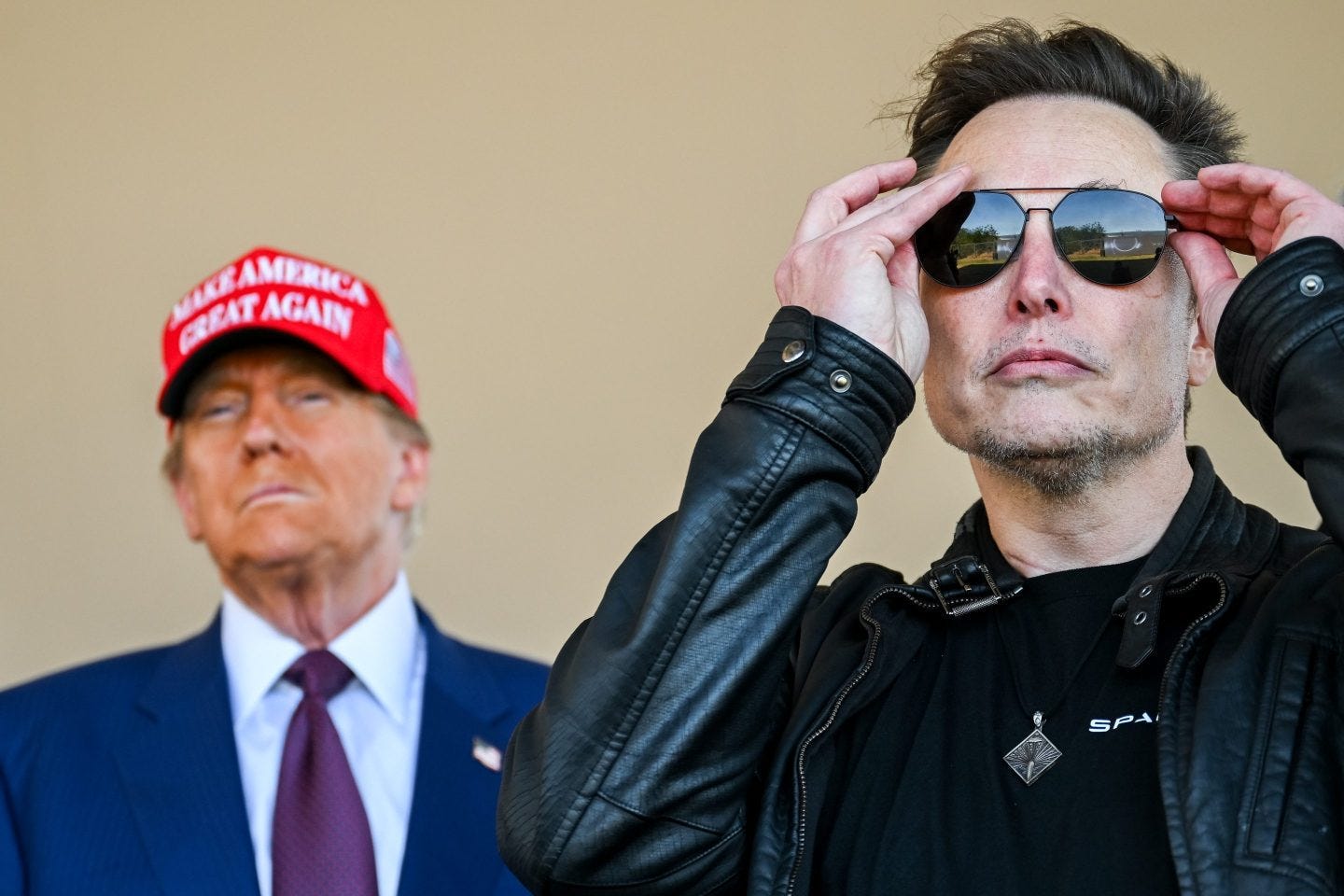
Departure and Future Implications
Musk’s departure from DOGE was precipitated by disagreements over the “One Big Beautiful Bill Act,” a legislative package that Musk criticized for increasing the federal deficit. His exit underscores the challenges of implementing rapid reforms within entrenched bureaucracies.
Despite his departure, Musk’s influence persists. His tenure at DOGE has sparked a broader conversation about the need for efficiency and accountability in government spending. The department’s initiatives have highlighted areas where reforms are necessary, setting the stage for future efforts to reduce waste and improve fiscal responsibility.
Conclusion
Elon Musk’s time at the Department of Government Efficiency was marked by bold initiatives and significant controversy. While his methods were unconventional, they brought attention to longstanding issues within federal agencies. As the government continues to grapple with budgetary challenges, the lessons from Musk’s tenure at DOGE may inform future strategies for achieving greater efficiency and accountability.