

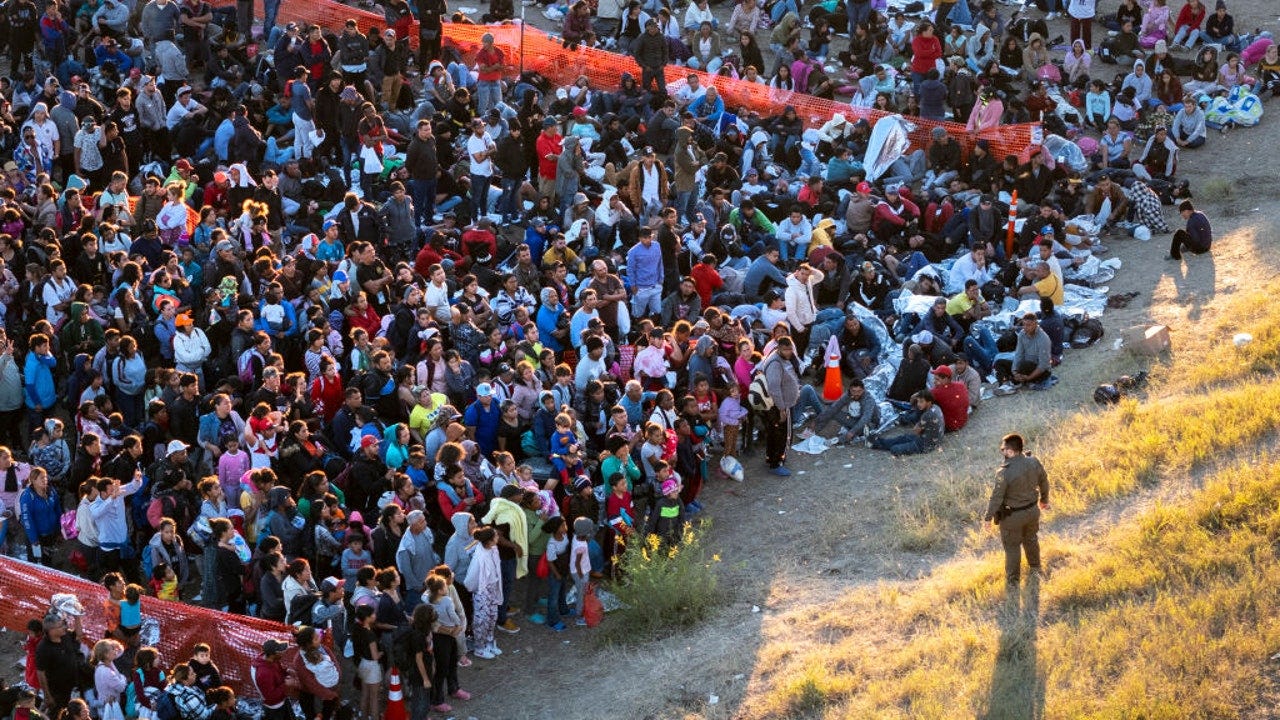
A sweeping new data analysis by the Associated Press has revealed the self-reported destinations of millions of migrants who were released into the United States after crossing the southern border.
The exclusive report, based on a comprehensive review of federal immigration records, tracks the planned destinations of approximately 4.5 million migrants. The data provides an unprecedented look at how the historic influx of border crossings over recent years has dispersed across the nation, impacting communities far beyond traditional border states.
Tracking the Dispersal
The AP obtained data from U.S. Customs and Border Protection that detailed the self-reported destinations of migrants by state and metropolitan area. While border states like Texas, California, and Arizona have historically absorbed the brunt of mass migration, the analysis illustrates a distinctly nationwide dispersal.
Migrants are increasingly reporting intended destinations in major metropolitan areas and smaller communities across the Midwest, Northeast, and Southeast.
To better understand the scale and flow of these migration patterns, explore the interactive data visualizer below:
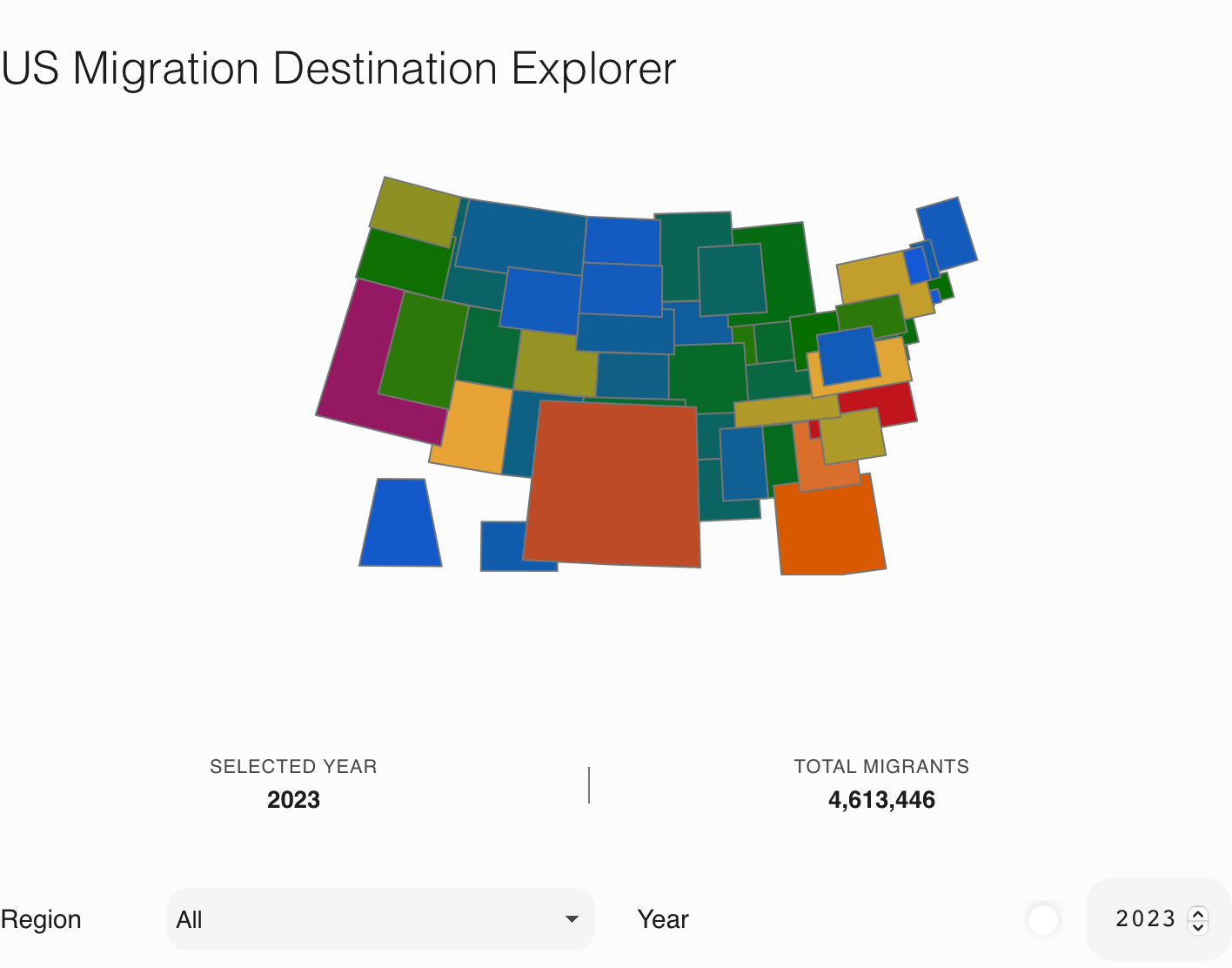
Key insight: The dispersal patterns show that immigration is no longer just a localized border issue, but a national one that affects resource allocation, housing, and labor markets across the entire country.
A Complex Challenge for Localities
The AP’s analysis sheds light on the complex logistical and political challenges faced by interior cities. As migrants travel to their self-reported destinations to await distant immigration court dates, many municipalities have struggled to provide adequate housing, social services, and legal assistance.
The data release comes at a critical time, offering lawmakers, researchers, and local officials a clearer picture of where resources are most needed. It also adds a layer of factual grounding to the ongoing, highly polarized national debate over border security and comprehensive immigration reform.