

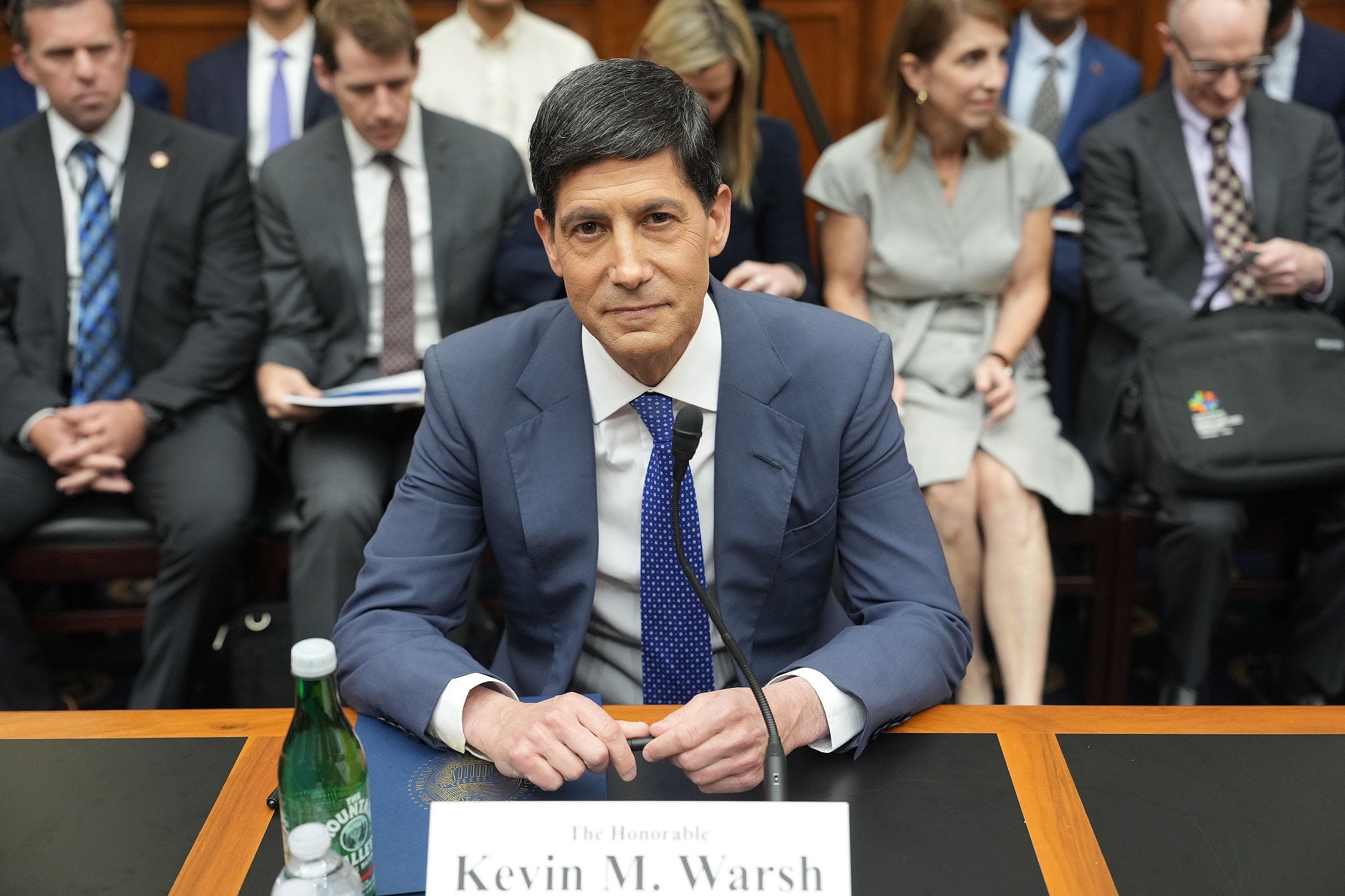
U.S. Federal Reserve Chairman Kevin Warsh stated that he will not prejudge what the central bank will do regarding interest rates at its upcoming meetings, signaling a cautious, data-driven approach to the nation’s monetary policy.
Warsh stressed that “price stability is key” to long-term economic health, but deliberately shied away from offering forward-looking signals on whether the Fed plans to raise, lower, or hold rates steady in the near future. His refusal to provide a definitive forecast reflects his underlying philosophy that explicit projections can inappropriately lock policymakers into a specific approach, making it harder to pivot if the economy shifts direction.
The Chairman’s remarks coincide with the high-stakes IMF-World Bank meetings currently underway in Bangkok. Global financial leaders at the summit are heavily focused on navigating a fragile global economy weighed down by inflation, the energy shocks stemming from the Iran war, and rising national debts. During the meetings, the IMF chief specifically urged the United States and other wealthy nations to rein in their debt to help ease broader global economic pressures.
Warsh’s tight-lipped strategy also comes at a time when the Federal Reserve’s rate-setting committee is deeply divided. Recent meeting minutes revealed a split among Fed officials over whether inflation will cool on its own or if it will remain stubbornly elevated, requiring further rate hikes. Recent data has only complicated the picture: U.S. inflation recently worsened to 3.7%, and wholesale inflation has reached levels last seen in 2022, pushing the average long-term U.S. mortgage rate up to 7.4%.