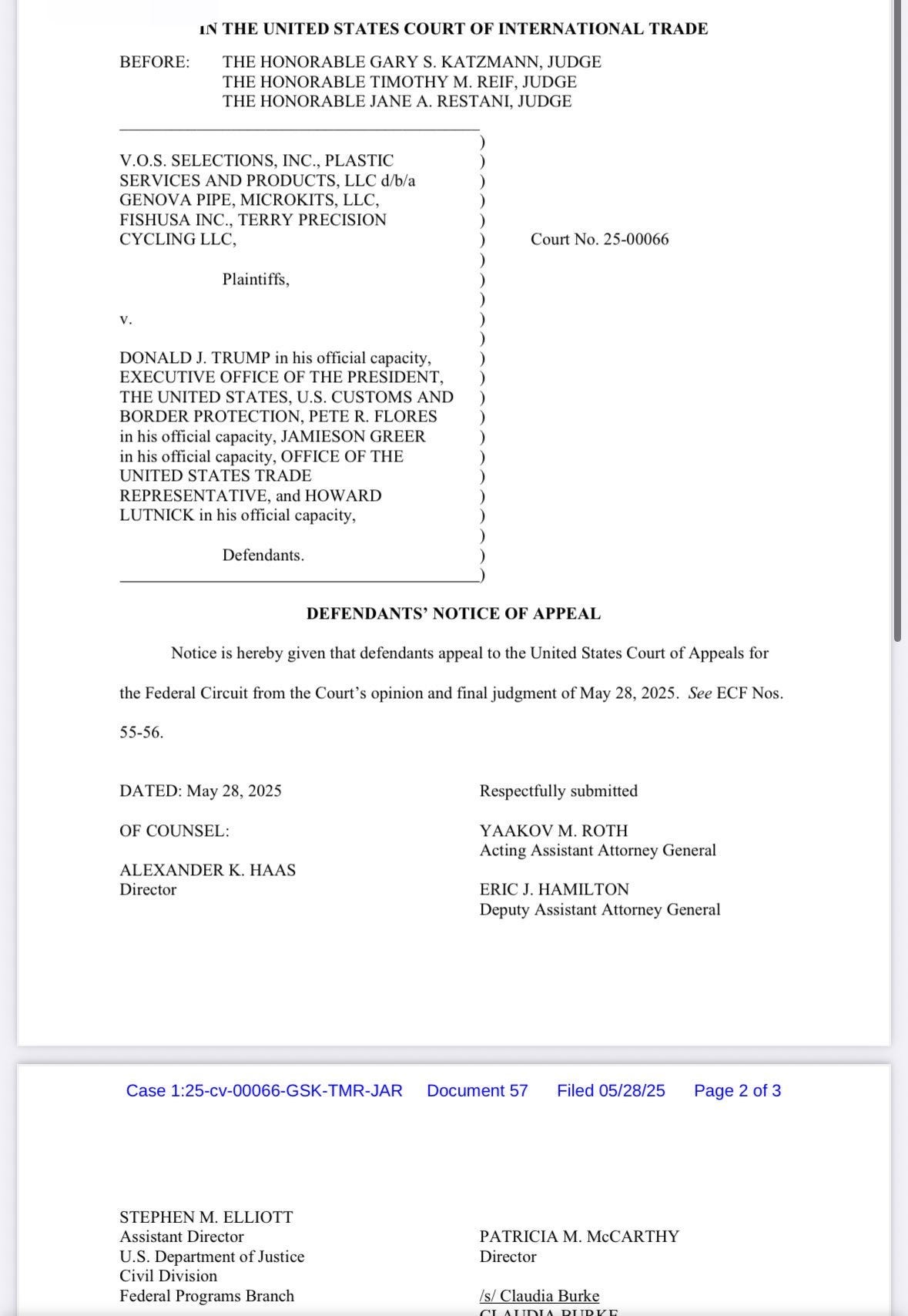
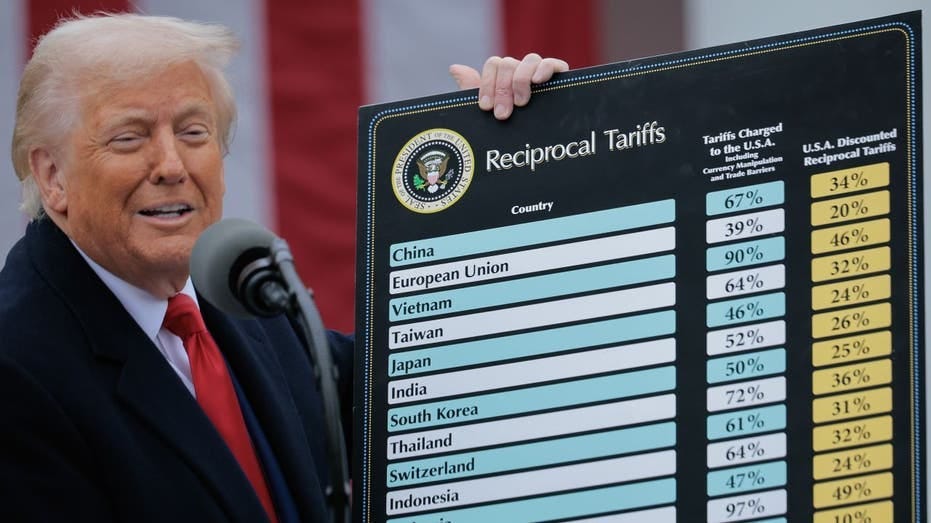
In a significant legal development, the U.S. Court of International Trade has ruled against President Donald Trump’s imposition of broad-based tariffs under the International Emergency Economic Powers Act (IEEPA). The decision, stemming from the case V.O.S. Selections, Inc. v. United States, asserts that the President exceeded his statutory authority by implementing the so-called “Liberation Day” tariffs without explicit Congressional approval.
Understanding the Court’s Decision
The court’s unanimous decision emphasized that the IEEPA does not grant the executive branch unchecked power to impose tariffs on a global scale. Specifically, the judges highlighted that the statute requires a clear national emergency, which was not adequately demonstrated in this instance. The ruling also invoked the nondelegation doctrine, underscoring the constitutional principle that Congress cannot delegate its legislative powers without clear guidelines.
Implications for Executive Authority
This ruling presents a challenge to the executive branch’s ability to unilaterally address unfair trade practices that harm American industries and workers. President Trump’s administration has argued that swift action is necessary to counteract decades of detrimental trade policies and to protect national economic interests. The court’s decision, however, may impede the government’s capacity to respond promptly to such challenges.
Impact on American Businesses
While the court’s decision was celebrated by certain small businesses and states that filed the lawsuit, it’s essential to consider the broader economic context. The “Liberation Day” tariffs were part of a strategic effort to level the playing field for American manufacturers facing unfair competition from foreign entities. By curbing the executive’s ability to implement such measures, the ruling could inadvertently favor foreign competitors over domestic producers.
Next Steps
The Trump administration has announced plans to appeal the decision, seeking to restore the President’s authority to enact necessary trade protections. This case underscores the ongoing debate over the balance of power between the legislative and executive branches in shaping U.S. trade policy. As the legal process unfolds, the administration remains committed to defending American economic interests and ensuring that the nation’s trade policies serve its citizens effectively.
UPDATE:
The Trump administration has already appealed the tariff ruling.