

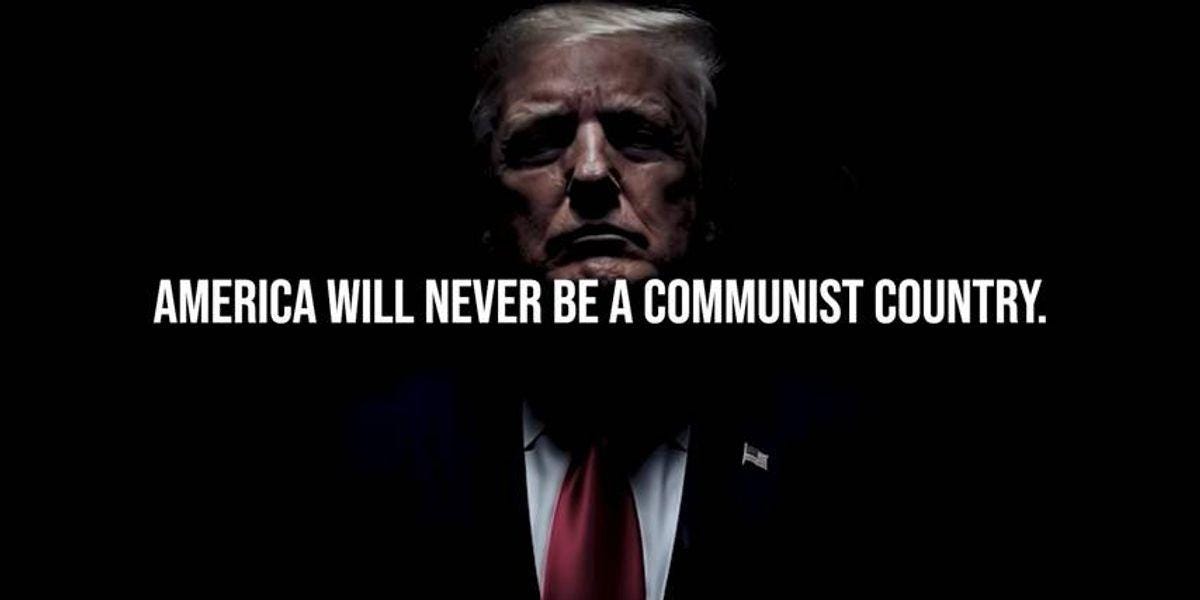
A federal judge has ordered the Trump administration to stop using taxpayer money to run television advertisements featuring President Donald Trump, intervening in a dispute over government spending just weeks before the November 3 midterm elections.
U.S. District Judge Jennifer Rochon, based in Manhattan, issued the temporary order on October 11 after Common Cause, a public-interest watchdog, and other plaintiffs challenged the campaign. They argue that the advertisements amount to political propaganda intended to benefit Republican candidates rather than legitimate public-service announcements.
A Court Steps In Over Government Advertising
The advertisements began airing in late September and were funded through the Department of Homeland Security, with the administration reporting a campaign budget of approximately $20 million.
The spots featured Trump and messages promoting his administration. They aired during high-profile television programming, including football broadcasts and Saturday Night Live, and concluded with a disclaimer stating that they were paid for by the U.S. government.
The plaintiffs contend that federal funds appropriated by Congress for other purposes were improperly used to finance the campaign. They asked the court to stop the advertisements before they could continue running during prominent weekend programming.
Rochon’s order temporarily blocks the use of taxpayer funds for the campaign. The ruling is not a final judgment on the underlying legal claims.
Trump Calls the Ads a “Positive Promotion”
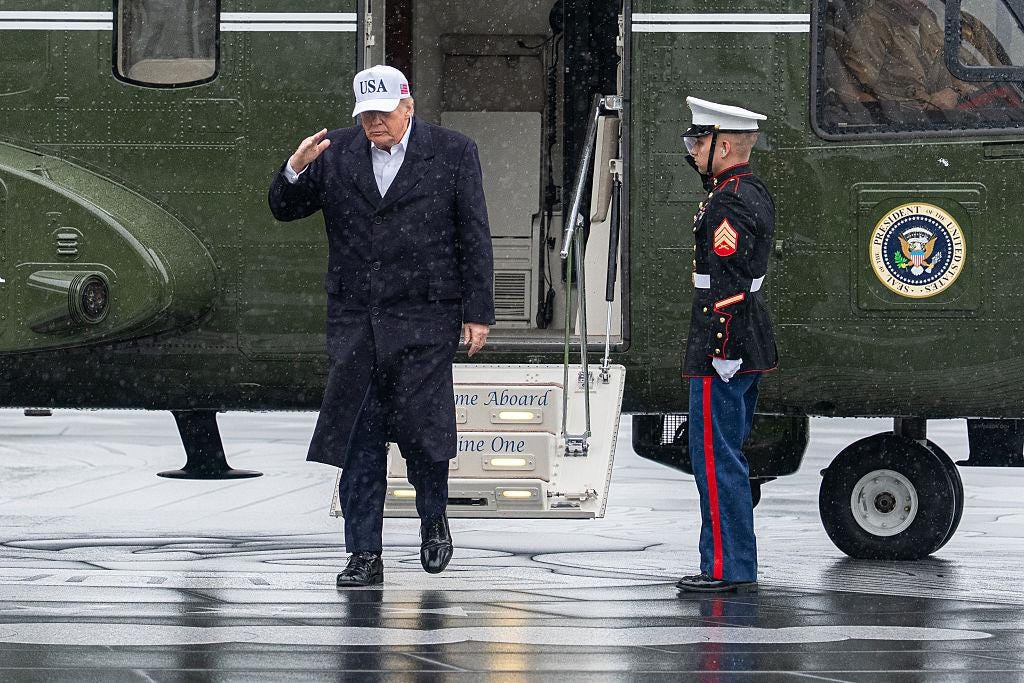
Trump defended the campaign, describing the advertisements as a “positive promotion for our great U.S.A.” The White House has maintained that the spots serve a public purpose rather than functioning as campaign advertisements.
The administration had already indicated in a court filing that it planned to stop running the ads, but the judge proceeded with the temporary order. That distinction matters: the administration’s stated plan to end the campaign did not prevent the court from imposing a formal restriction.
Trump subsequently said future advertisements would be funded through his political action committee, MAGA PAC, rather than taxpayer dollars. The White House has said the political committee would not reimburse the government for advertising costs already incurred.
Plaintiffs Argue the Campaign Crossed a Legal Line
Common Cause was joined in the lawsuit by a public employee union and Robert Hunter, a candidate for the Alabama state legislature. Their case challenges the use of federal appropriations for advertisements they characterize as political promotion.
The legal dispute centers on restrictions against using government funds for unauthorized publicity or propaganda, along with questions about the political use of government resources.
The Campaign Legal Center, Democracy Forward and the Public Integrity Project have also been involved in challenging the advertising campaign. A separate lawsuit was brought by Democratic Party officials in federal court in Washington.
The plaintiffs are seeking to prevent the government from continuing the campaign and to restrict similar spending in the future. Their allegations have not yet been resolved through a final ruling on the merits.
Bipartisan Criticism and the Midterm Calendar
The campaign has drawn criticism from both Democrats and Republicans, with objections focused on whether taxpayers should finance advertisements featuring a sitting president so close to a national election.
The timing has intensified the dispute. The November 3 midterms will determine control of Congress, and the plaintiffs argue that the ads could function as an advantage for Republican candidates even though Trump himself is not on the ballot.
A Reuters/Ipsos poll reported in recent coverage found that 86% of U.S. adults considered taxpayer-funded election-related television ads featuring Trump or administration officials inappropriate. The survey included substantial opposition among Republicans as well as Democrats.
What Happens Next?
The order temporarily halts the taxpayer-funded campaign while the legal challenge proceeds. It does not, by itself, settle whether the advertisements violated federal law.
The administration’s position is that the ads promote the country and communicate its policies. The plaintiffs argue that the content, timing and funding demonstrate an impermissible political purpose.
The court proceedings will determine how the legal restrictions apply to the campaign and whether further relief is warranted. In the meantime, the administration has said that future ads will be paid for by Trump’s political committee, while declining to reimburse taxpayers for the ads that have already aired.
The case raises a broader question for future administrations: where should the line be drawn between legitimate government communications and publicly funded messaging that may benefit a president or political party?