

The Michigan Department of Natural Resources (DNR) is turning to cutting-edge science to manage the state’s waterways, implementing parentage-based genetic testing to track the success of its extensive fish-stocking operations.
During the 2024–2025 fiscal year, the DNR spent over $11 million stocking approximately 20 million fish in state waters. Historically, biologists relied on physical tags to monitor these populations—a method prone to reporting errors and logistical headaches. Now, they are essentially using a “23andMe-style” approach for fish, analyzing DNA to determine if the fish currently swimming in Michigan’s lakes are direct descendants of the hatchery fish they recently released.
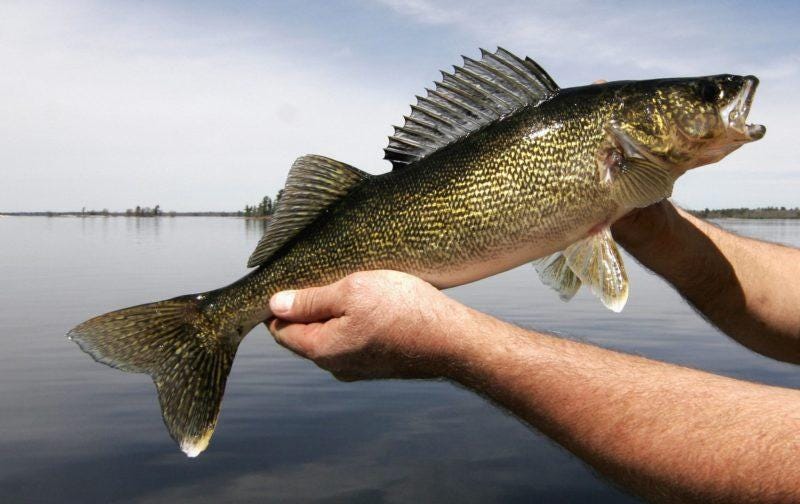
A recent pilot program tracking walleye in the Upper Peninsula proved just how valuable this data can be.
According to Jen Johnson, a senior fisheries management biologist for the DNR, the results were highly mixed depending on the location. In Lake Emily, the stocking was a massive success: 24 out of 25 tested fish were directly related to stocked parents.
However, in Hagerman Lake, the results told a vastly different story. Out of 147 fish tested, only two were related to recent stocking efforts. Interestingly, the genetic testing revealed that the vast majority of Hagerman Lake’s walleye were genetically indistinguishable from fish in Lake Gogebic, tracing their lineage back to a highly successful stocking initiative from the 1980s.
Armed with this new genetic insight, the DNR can make immediate, data-driven management decisions. Because recent efforts in Hagerman Lake proved ineffective compared to its naturally reproducing historical population, the department will stop wasting resources stocking that specific lake.
“Stocking’s an expensive endeavor, and annoyingly, we’re trying to do stocking attempts that were largely ineffective,” Natural Resources Commissioner Brandon Fewens noted regarding the Hagerman Lake findings.
Fisheries Chief Randy Claramunt sees this genetic tool as the future of the department. “If I had my way, all 20 million fish we stocked would be tagged, so we could evaluate them,” Claramunt said.
For the upcoming fiscal year, Claramunt plans to expand the initiative by taking 500 samples of stocked walleye from waterbodies across the state. Ultimately, the DNR hopes to apply parentage-based genetic testing to other species, allowing biologists to optimize stocking decisions, save taxpayer money, and ensure Michigan’s recreational fisheries continue to thrive.