

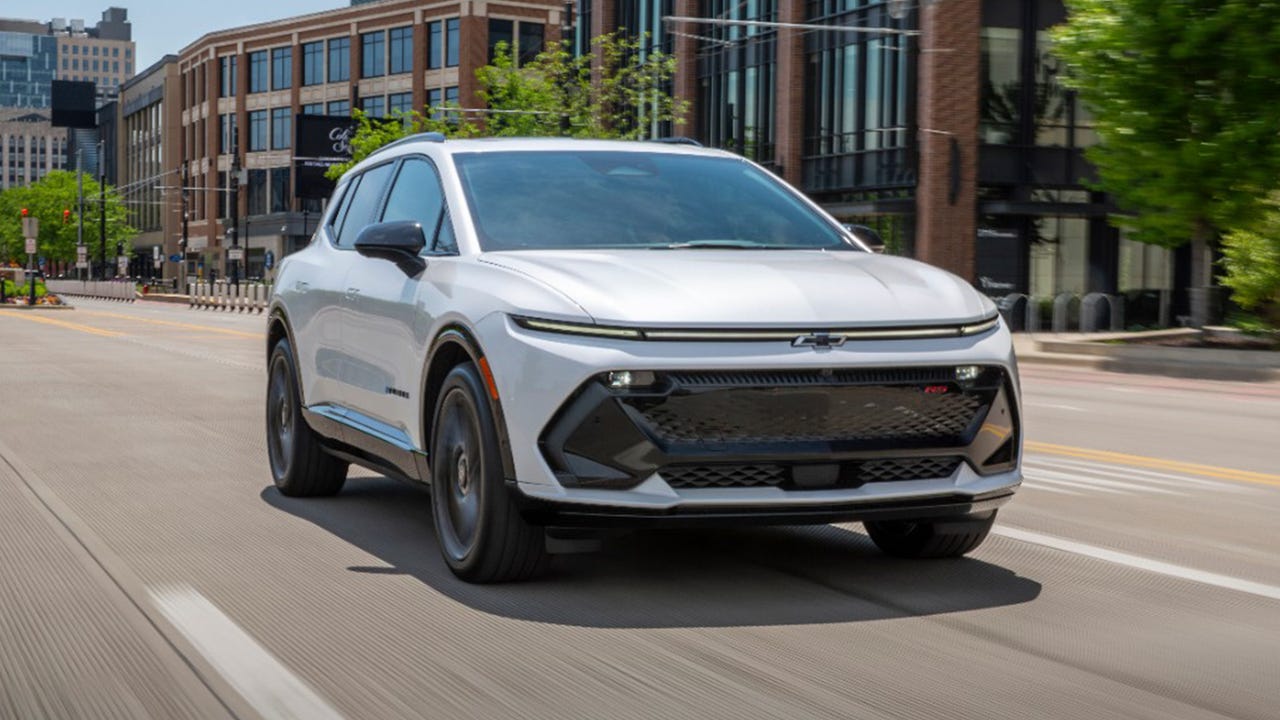
General Motors (GM) reported a 5.5% decline in new vehicle sales in the United States for the third quarter of 2026, highlighting a significant cooling in consumer demand for electric vehicles (EVs).
The Detroit automaker announced it sold 670,974 vehicles during the quarter. According to the company, the drop was largely driven by a shrinking EV market and the discontinuation of certain legacy models. While GM has aggressively pushed its transition to an all-electric future, the latest figures suggest that consumers are increasingly hesitant to make the switch following a surge in interest last year.
The decline in EV sales was particularly stark across Chevrolet’s lineup. The Chevy Equinox EV—which previously held the spot as GM’s best-selling electric model—saw its sales plunge a staggering 92%, dropping to just 1,905 units delivered in the third quarter. Other models fared similarly poorly: sales for the Chevy Blazer EV dropped 84% to 5,199 units, while the Silverado EV saw a 58% decline compared to a year ago.
One notable anchor in GM’s electric portfolio was its luxury brand. Cadillac’s electric SUVs managed to account for nearly half of GM’s total EV sales during the quarter. However, even those models experienced notable year-over-year declines, with the Cadillac Lyriq dropping 50% and the Escalade IQ falling 29%.
The overall sales slump at GM has allowed competitors to close the gap in the highly competitive U.S. auto market. Toyota narrowed its sales deficit with GM to fewer than 136,000 units during the third quarter. The Japanese automaker was buoyed by a robust 28.5% increase in its own electrified vehicle sales, which lean heavily on consumer-friendly hybrid models rather than fully battery-electric vehicles.
Industry analysts suggest that the broader slowdown in pure EV adoption follows the expiration of several federal tax incentives that had temporarily spiked consumer interest in 2025. As automakers navigate these shifting market dynamics, GM’s third-quarter results underscore the growing financial and logistical challenges of relying on fully electric lineups to drive near-term volume growth.