

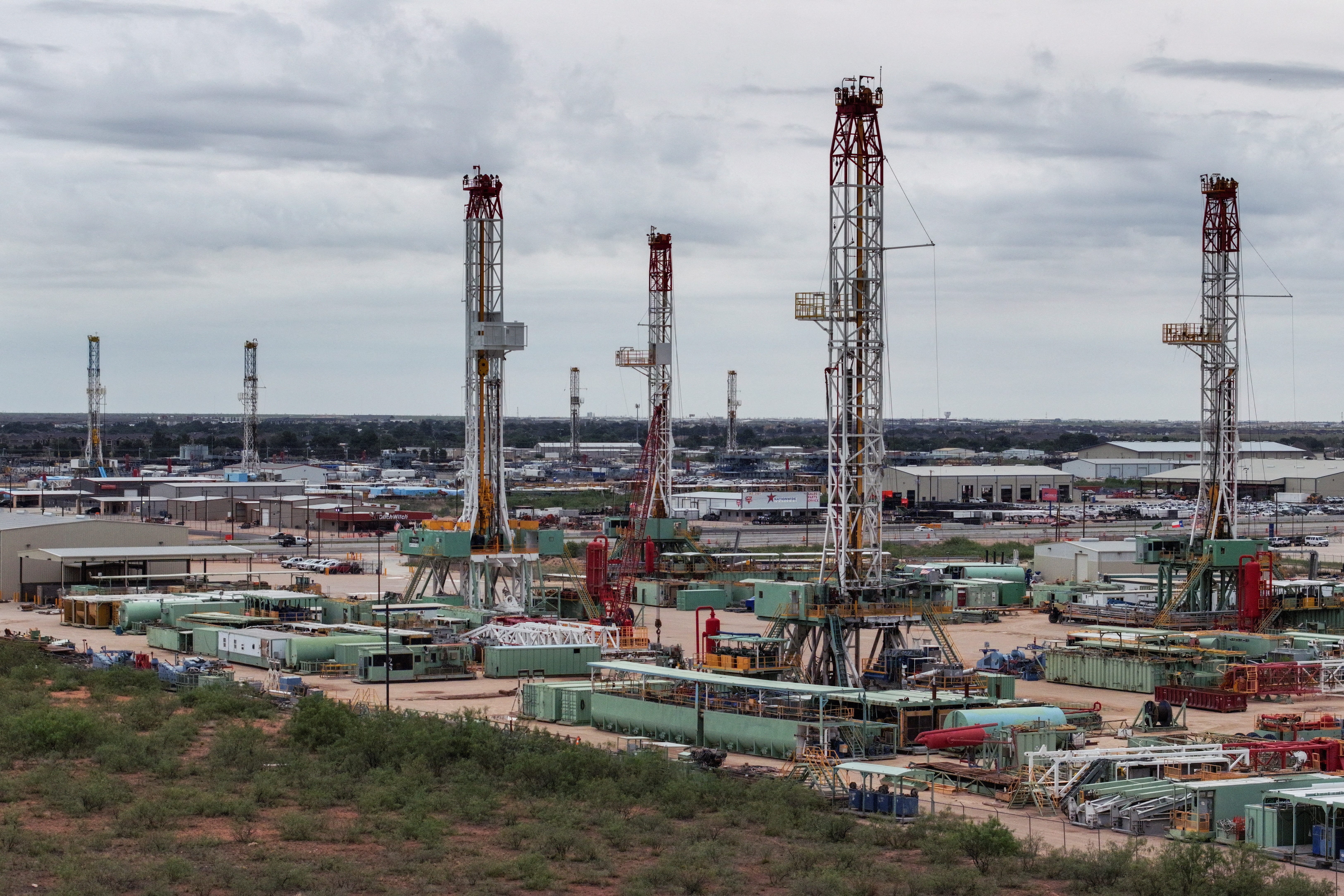
Goldman Sachs analysts have issued a stark warning to energy markets, projecting a significant global crude oil surplus by 2027 that could drive prices considerably lower. According to a recent report from the investment bank, the global oil supply is expected to outpace end-user demand by an average of 2 million barrels per day in 2027.
The bank forecasts that Brent crude, the global oil benchmark, will average $88 a barrel in 2027 before sliding to $78 a barrel by the end of the year. Goldman attributes the impending glut to two primary factors: stronger-than-expected supply side expansion and softening demand from the world’s largest crude importer.
On the supply side, Goldman expects Middle Eastern oil output to increase and exceed its 2025 averages. The analysts noted that global supply will be bolstered by 3.8 million barrels per day in 2027 as Gulf oil producers invest heavily in new pipeline infrastructure that bypasses the Strait of Hormuz, allowing them to transport oil directly to the Gulf of Oman, the Red Sea, and the Mediterranean.
Simultaneously, the bank is projecting a notable decline in consumption from China. Goldman analysts believe that China’s total oil demand likely peaked in 2025, and a reduction in road-transport fuel consumption will create demand headwinds of approximately 400,000 barrels a day. The International Energy Agency (IEA) has reached a similar conclusion regarding the trajectory of the market, signaling the first shift toward a structural oversupply since the U.S.-Iran conflict began.
While the 2027 surplus represents Goldman’s base case scenario, the analysts noted that their outlook leaves “considerable room for renewed volatility” in the near term. Geopolitical concerns, including continued shipping attacks in the Middle East and potential damage to oil infrastructure, could still temporarily rebuild risk premiums and drive prices higher before the structural surplus fully takes shape.