

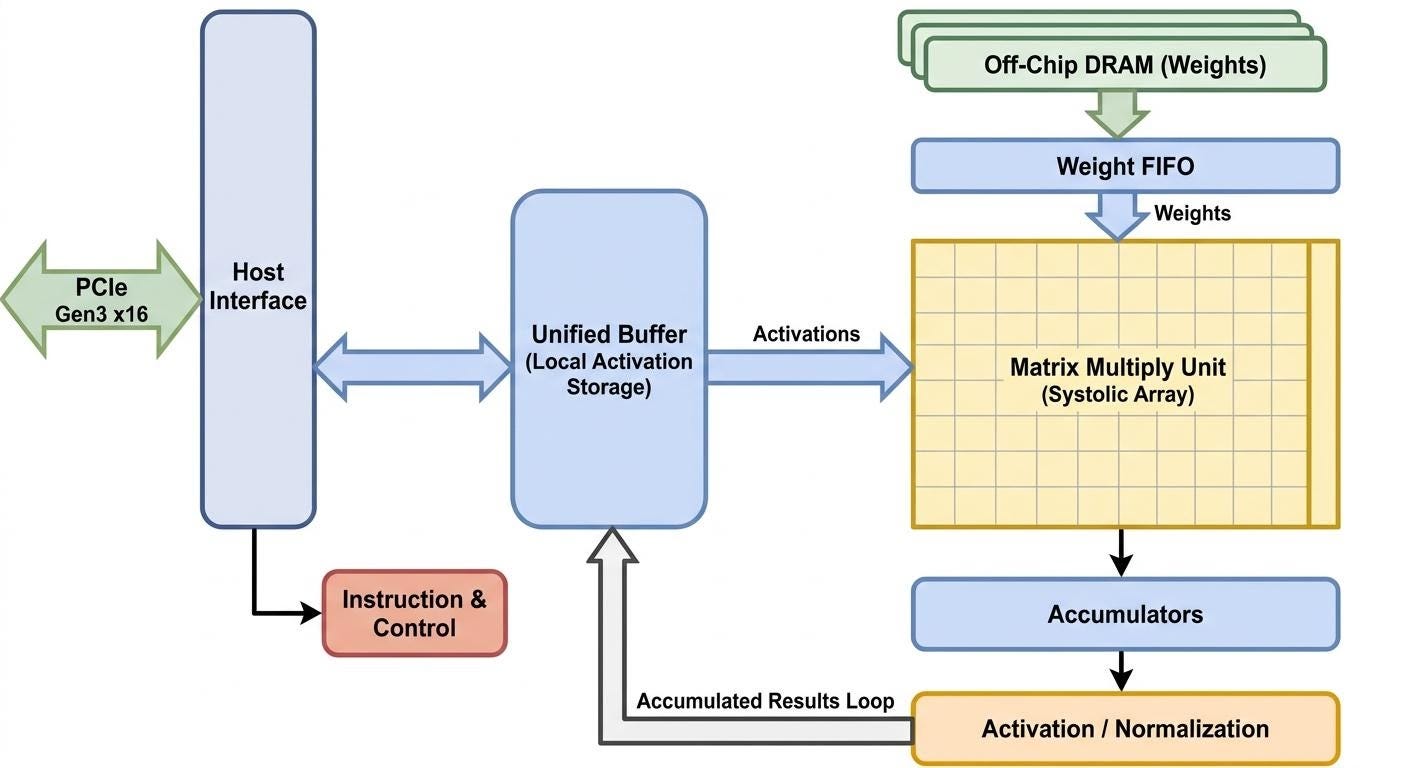
Google has officially introduced two new variations of its in-house artificial intelligence processors, moving aggressively to capture enterprise customers and challenge Nvidia’s dominance in the AI chip market. The rollout of the newly reconfigured Tensor Processing Units (TPUs) was first reported by Bloomberg News on Monday.
Rather than building entirely new architecture from scratch, Google’s chief technologist for AI infrastructure, Amin Vahdat, explained that the new TPU 8tx and 8i Max are reconfigured versions of existing chips designed to handle highly specific customer requests. The 8tx focuses heavily on secure and confidential workloads—encrypting data to make it ideal for government agencies and strictly regulated industries. Conversely, the 8i Max is engineered for large-scale AI applications that require long-context window processing.
The strategic pivot toward specialization arrives at an opportune moment for Alphabet. With the new chips reportedly offering performance at roughly a 30% lower cost than competing Nvidia graphics processing units (GPUs), Google is positioning itself as a highly viable alternative just as Nvidia grapples with unprecedented internal turmoil and leadership controversies. The market reacted positively to the rollout, sending Alphabet shares climbing over 2% in early trading to roughly $294.
To prevent the severe supply bottlenecks that have historically plagued the semiconductor industry, Google is taking proactive steps to diversify its manufacturing pipeline. With every currently available TPU already contracted out to enterprise customers, the tech giant is expanding its partnerships beyond Broadcom by signing new deals with Marvell Technology to rapidly scale production.
Despite the optimistic launch, Google still faces a rapidly shifting industry landscape. The company must navigate emerging hardware competition from AI start-ups like Tenspresso and internal efforts from OpenAI. Furthermore, a growing environmental and political backlash against massive data centers threatens to shrink overall AI infrastructure spending by up to 7% heading into 2027.