

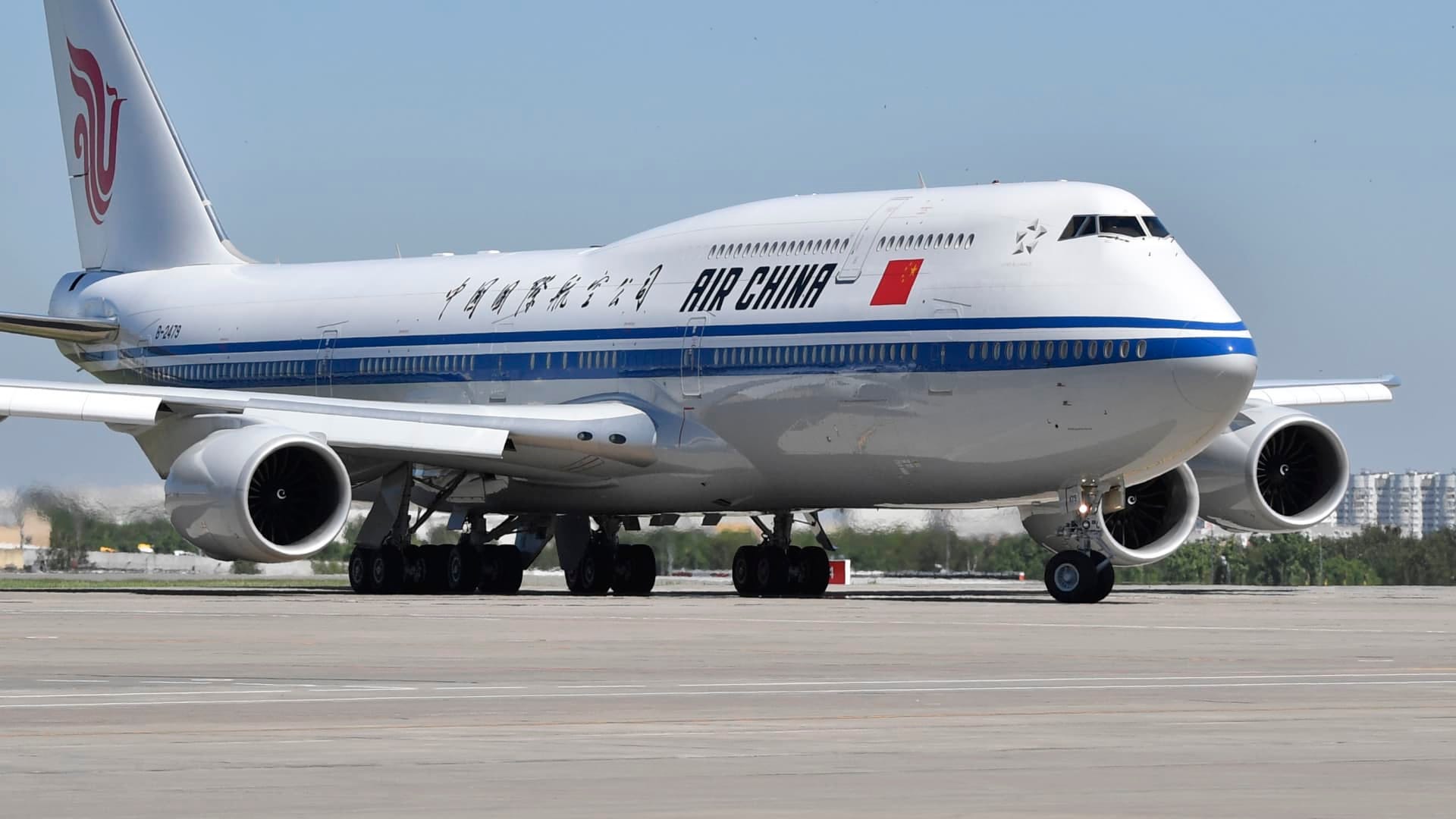
Hopes are rapidly fading that Boeing will secure a major commercial aircraft deal with China during the highly anticipated U.S.-China diplomatic summit, according to sources familiar with the ongoing negotiations.
The aviation giant has spent months quietly lobbying for a breakthrough that would formally resume large-scale aircraft orders and deliveries to Chinese state-owned airlines. However, as the summit approaches, insiders suggest that the political climate between Washington and Beijing remains too frosty to yield a multibillion-dollar aviation agreement.
The impasse underscores how deeply commercial aerospace has become entangled in the broader economic and security disputes dominating U.S.-China relations.
A Stalled Re-Entry
China was historically one of Boeing’s most lucrative markets, regularly accounting for up to a quarter of the manufacturer’s global commercial deliveries. But a confluence of trade wars, geopolitical tensions, and the prolonged grounding of the 737 MAX effectively froze Boeing out of new Chinese orders for several years.
Earlier this year, industry analysts had expressed cautious optimism that the upcoming summit could serve as the political catalyst needed to finalize a new commitment from Chinese carriers. Beijing has occasionally used high-profile aircraft purchases as diplomatic olive branches during pivotal bilateral meetings.
However, sources speaking to reporters indicated that recent friction over technology export controls, regional security, and trade tariffs have derailed the momentum. While some minor, incremental deliveries of already-built 737 MAX aircraft may continue, a sweeping new order for widebody jets or a significant commitment to the MAX program is now considered highly improbable.
Advantage Airbus
The continued delay is a significant setback for Boeing as it seeks to stabilize its global market share and regain its footing in Asia.
While Boeing navigates the geopolitical gridlock, its primary European rival, Airbus, has successfully capitalized on the rift. In recent years, Airbus has secured massive fleet orders from major Chinese airlines and has even expanded its final assembly line operations within China.
Without a clear political green light from Beijing, Chinese airlines remain hesitant to commit to long-term contracts with the U.S. manufacturer, leaving Boeing heavily reliant on Western and Middle Eastern carriers to fill its production backlog. Both the White House and Boeing have declined to officially comment on the status of the prospective aviation discussions ahead of the summit.