

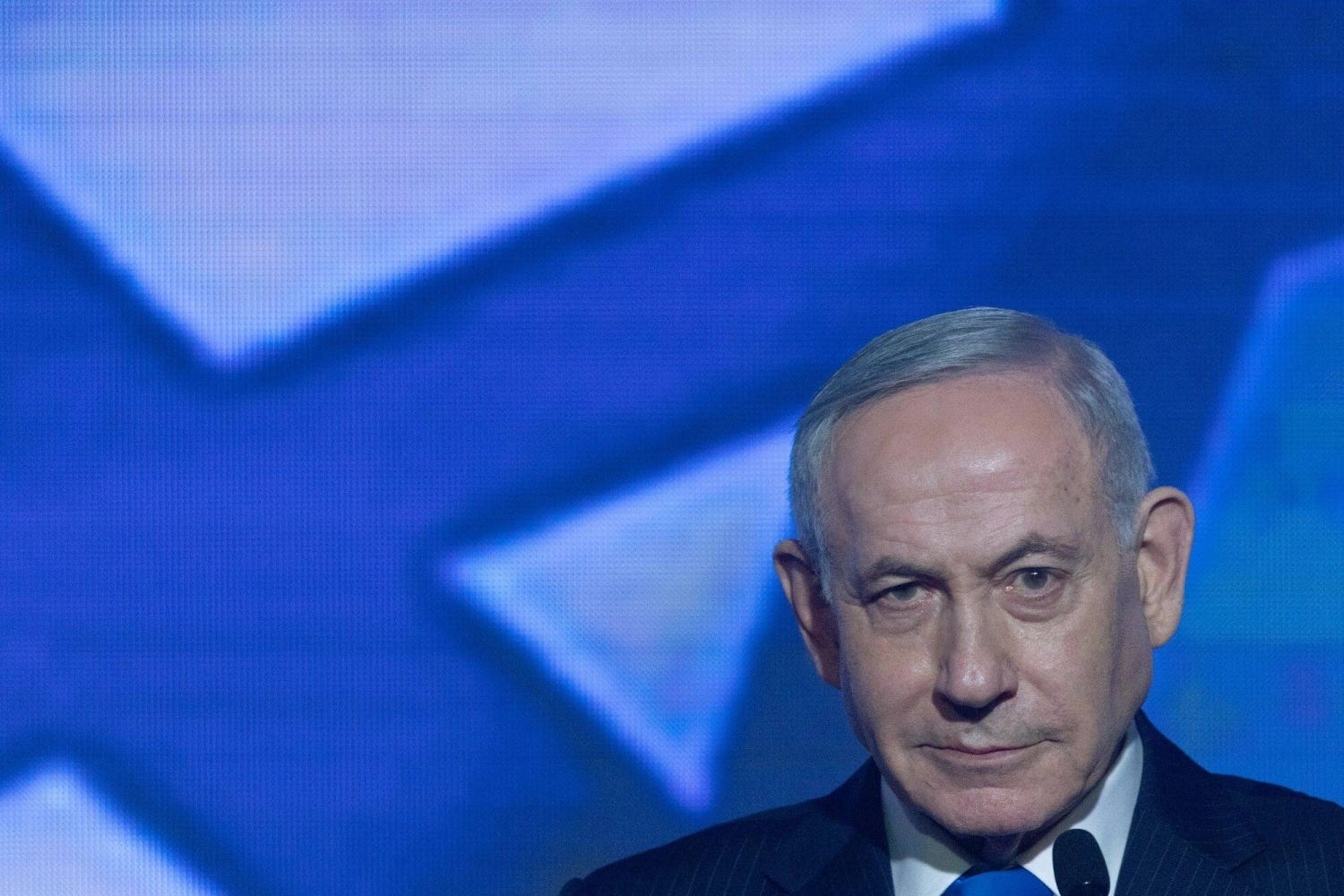
Ahead of Tuesday’s pivotal vote, Israeli election campaigns have taken a sharply hostile turn. With recent polls showing Prime Minister Benjamin Netanyahu in a neck-and-neck race against rival Gadi Eisenkot, political camps are increasingly relying on inflammatory personal attacks and artificial intelligence to sway undecided voters.
A recent boom in AI-generated imagery and deepfake videos has flooded the nation’s social media platforms. Content deployed by various factions aims to stoke political fears and portray opponents as untrustworthy or dangerous.Netanyahu’s camp has utilized manipulated content to amplify fears regarding potential opposition coalitions that might include Arab-Israeli parties. Conversely, opponents have circulated their own fabricated clips, including a video depicting Iran’s supreme leader delivering a mock threat directly to the Prime Minister.
The aggressive electioneering has also crossed deeply personal boundaries, with candidates who lost loved ones in recent conflicts—including the October 2023 attacks—reporting targeted harassment. Laly Derai, a candidate for the Amcha Israel party, reported enduring coordinated smear campaigns that involve late-night phone calls and relentless online abuse.
Political experts are warning about the long-term impact of the heated rhetoric. Thair Abu Ras, head of the Forum for Regional Thinking at the Van Leer Jerusalem Institute, condemned the escalating political environment. He specifically cautioned against incitement from right-wing factions, noting that campaign rhetoric attempting to frame Arab-Israeli political participation as illegitimate crosses a dangerous democratic line.