

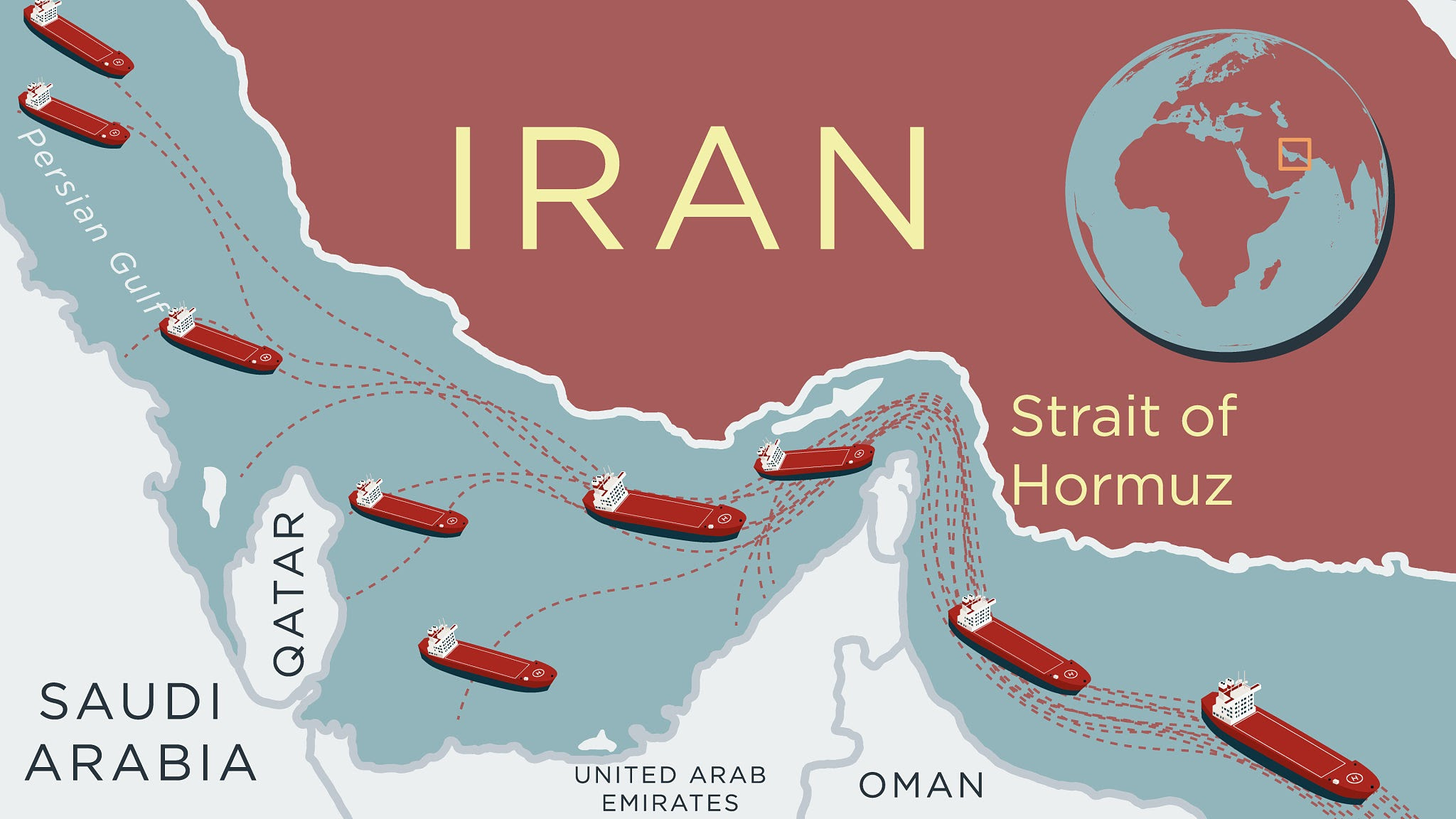
Iran has offered the United States a detailed seven-day diplomatic roadmap designed to end the nearly seven-month war in the Middle East and reopen the strategically vital Strait of Hormuz.
The proposal was announced Thursday by Iranian Foreign Minister Abbas Araghchi during a press briefing on the sidelines of the United Nations General Assembly in New York. Araghchi indicated that the plan had been conveyed to Washington through intermediaries, specifically noting that the framework closely mirrors a previous memorandum of understanding the two sides reached in June.
“We have introduced a plan to the United States through the intermediators that if certain conditions are met, the Strait of Hormuz would be open on the end of the seventh day and talks would restart,” Araghchi told reporters. He added that Tehran believes it would be beneficial if a comprehensive deal could be reached before the upcoming U.S. midterm elections on November 3.
The Path to Reopening the Waterway
The Strait of Hormuz, a critical artery for global energy and commercial shipping, has emerged as a central bargaining chip in efforts to resolve the escalating conflict.
Under the conditions of the seven-day proposal, all hostilities between the two nations would cease immediately, including the ongoing fighting in Lebanon. In exchange for reopening the waterway, Tehran is demanding the release of more than $12 billion in frozen Iranian assets, a waiver of crippling sanctions on Iranian oil exports, and the formal lifting of the U.S. naval blockade on Iran.
Once those conditions are met and the Strait is reopened on the seventh day, Araghchi stated that comprehensive negotiations regarding Iran’s controversial nuclear program would resume immediately.
A Stalled Diplomatic Push
The Iranian overture comes during a tense week at the UN General Assembly, marked by sharply contrasting speeches from the leaders of both nations.
President Donald Trump used his address to threaten Iran with “annihilation” if an agreement could not be reached, while simultaneously leaving the door open for a diplomatic breakthrough. Iranian President Masoud Pezeshkian, meanwhile, delivered a defiant speech, casting the joint U.S.-Israeli war effort as an illegal venture and insisting that Tehran would not bow to Western bullying.
Behind closed doors, however, communication channels remain highly active. U.S. Secretary of State Marco Rubio acknowledged a three-hour mediated meeting between U.S. and Iranian officials, facilitated by Qatar, though he noted it did not produce an immediate breakthrough. Araghchi also confirmed holding discussions earlier in the week with U.S. special envoy Steve Witkoff and Jared Kushner, describing the ongoing exchange of messages as “productive”.
U.S. officials familiar with the negotiations indicated that Washington is engaged in constructive talks but remains hesitant to rush into an agreement, leaning on the immense pressure currently squeezing Iran’s economy.