

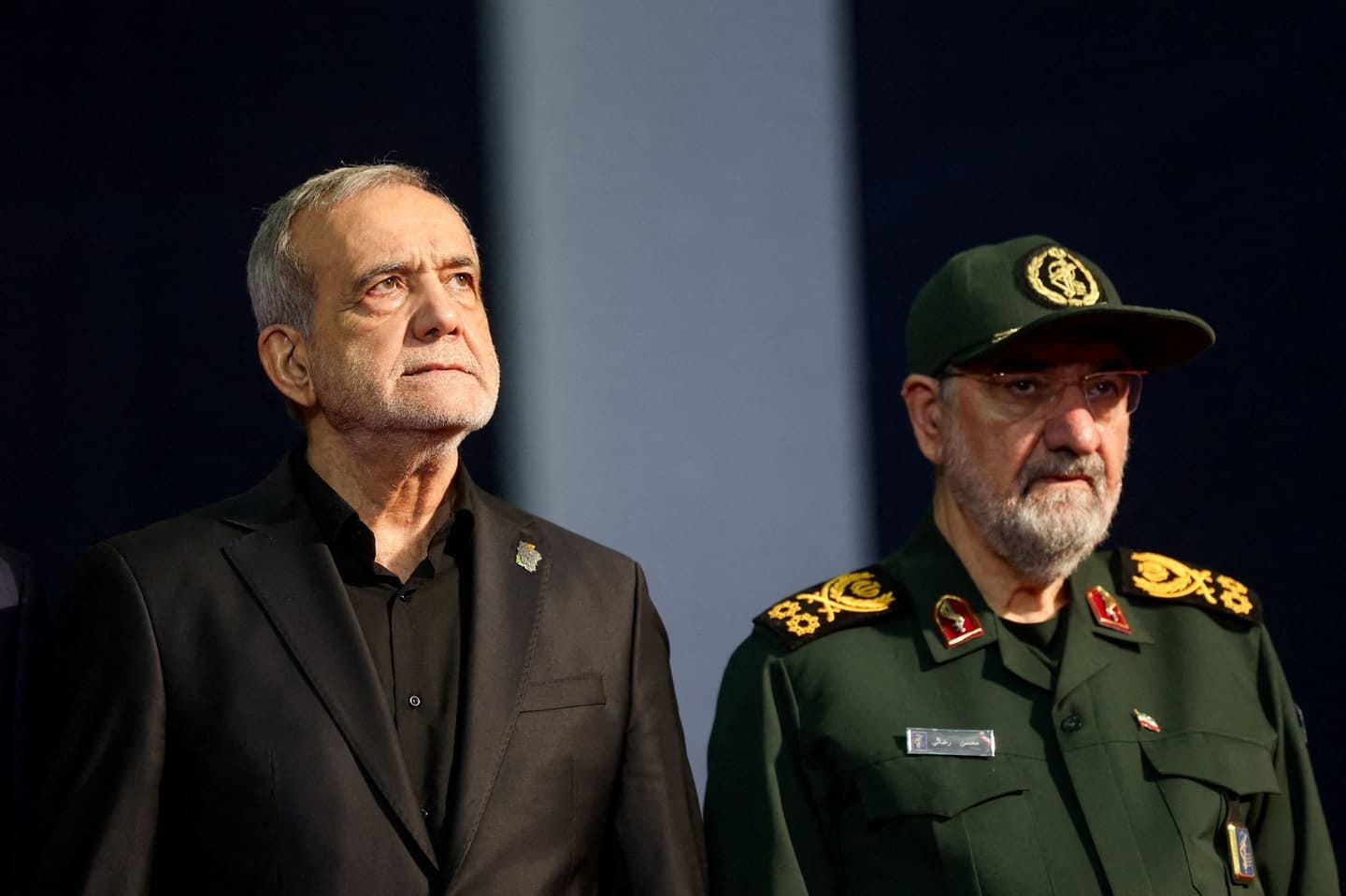
Iran’s Supreme National Security Council, via Secretary Mohsen Rezaei, sent Washington conditions through Qatari mediators and is awaiting President Donald Trump’s response. Rezaei listed demands—end fighting on all fronts, unfreeze Iranian assets and lift the U.S. naval blockade—and warned of decisive military action if rejected.
Historical Escalation
The current stalemate follows a 12-day air war in June last year, when U.S. and Israeli forces targeted Iranian missile sites, per reports regarding the arrest of Hossein Pedram. This historical context underscores the strategic significance of Tehran’s current demands, including the naval blockade and the unfreezing of Iranian funds.
Maritime Security Warnings
The UN’s most powerful body, comprising 15 members, warned late Friday that Houthi military escalation threatens international trade and maritime security, urging “practical cooperation” to enforce arms embargoes. As mediators facilitate ongoing talks, this international pressure on Iran’s regional proxies adds significant complexity to the specific conditions Tehran has set for the U.S.
Banking License Revoked:
Turkey’s Banking Regulation and Supervision Agency revoked the operating license for the Istanbul branch of Iran’s Bank Mellat in September 2026, citing the need to protect financial stability. This enforcement action underscores the mounting pressure on Tehran, highlighting the urgency behind Iran’s demand to unfreeze funds as part of any potential deal with the Trump administration.
Timeline
Iran Transmits Seven Conditions (Sept 19. 2026): Iran's Supreme National Security Council, via Secretary Mohsen Rezaei, conveyed seven conditions to Washington through Qatari (and Pakistani) mediators and is awaiting a response from President Trump; core demands included an end to the war on all fronts, the release of frozen Iranian funds, and lifting the US naval blockade. Rezaei posted that Tehran's message is 'clear and unambiguous,' though the full list of demands has not been publicly released.
Security Chief Issues Military Warning (Sept 19. 2026): In the same interview, Rezaei warned Iran is prepared for a 'decisive war' if Washington rejects its terms, said Tehran recently tested an anti-ship missile near a US aircraft carrier, and threatened strikes on US bases and commercial interests while focusing military planning on US naval assets across the Gulf to the Arabian Sea. He also signaled Iran might reconsider its NPT commitments if further US or Israeli attacks occur.
US Response And Alerts Follow (Sept 20. 2026): The White House received Iran's conditions and President Trump returned early from Camp David to consider the response, while Washington weighed diplomatic versus military options; US diplomatic missions in the region faced heightened security alerts and the State Department issued visas to Iran's UNGA delegation. The administration publicly awaited a response to Tehran's demands as regional tensions and risks to shipping continued.