

In a decisive move to uphold the integrity of the federal judiciary, the U.S. Department of Justice, under Attorney General Pam Bondi, announced on May 29, 2025, that it will no longer engage with the American Bar Association (ABA) in the judicial nomination process. This action underscores the administration’s commitment to ensuring that judicial evaluations remain free from perceived partisan influence.
Attorney General Bondi articulated concerns regarding the ABA’s impartiality, stating that the organization “no longer functions as a fair arbiter of nominees’ qualifications” and that its ratings “invariably and demonstrably favor nominees put forth by Democratic administrations” . Consequently, the DOJ will cease directing nominees to respond to ABA questionnaires or granting the association access to confidential bar records.
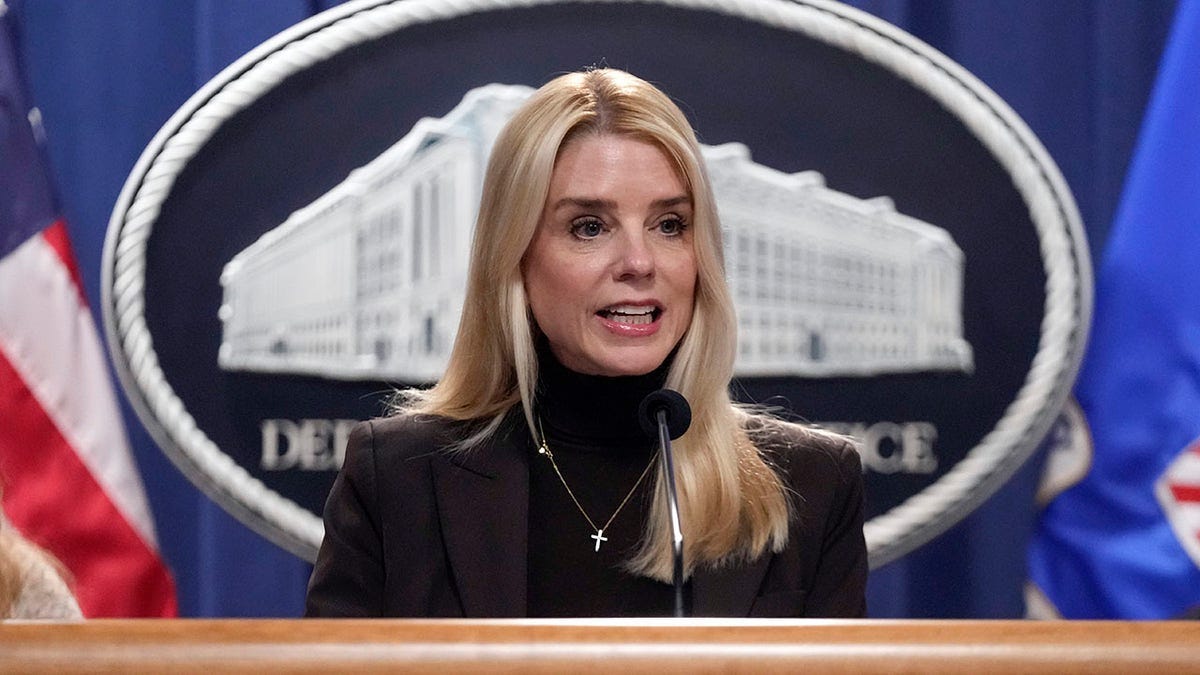
This decision builds upon the precedent set during President Trump’s first term in 2017, when the administration ended the practice of submitting judicial candidates to the ABA for pre-nomination evaluations. The current action further limits the ABA’s involvement, even post-nomination, reflecting ongoing concerns about the organization’s objectivity.
Conservative lawmakers have long criticized the ABA for perceived ideological bias. A group of Republican senators, including Mike Lee (R-UT) and Josh Hawley (R-MO), previously urged the administration to disregard the ABA’s recommendations, labeling the group as a “radical left-wing advocacy organization”.
The ABA’s historical role in vetting judicial nominees dates back to 1953. However, its evaluations have faced scrutiny, particularly from conservative circles, for allegedly favoring Democratic nominees. Notably, during President Trump’s first term, the ABA rated ten of his nominees as “not qualified,” fueling claims of bias.
The DOJ’s recent action signifies a continued effort to ensure that judicial nominations are assessed based on merit rather than perceived political leanings. As the administration moves forward with its judicial appointments, it emphasizes a commitment to restoring balance and impartiality within the federal judiciary.
The first of President Trump’s new judicial nominees are scheduled to appear before the Senate Judiciary Committee on June 4, marking a pivotal step in the administration’s ongoing efforts to shape a judiciary that reflects constitutional principles and the rule of law.