

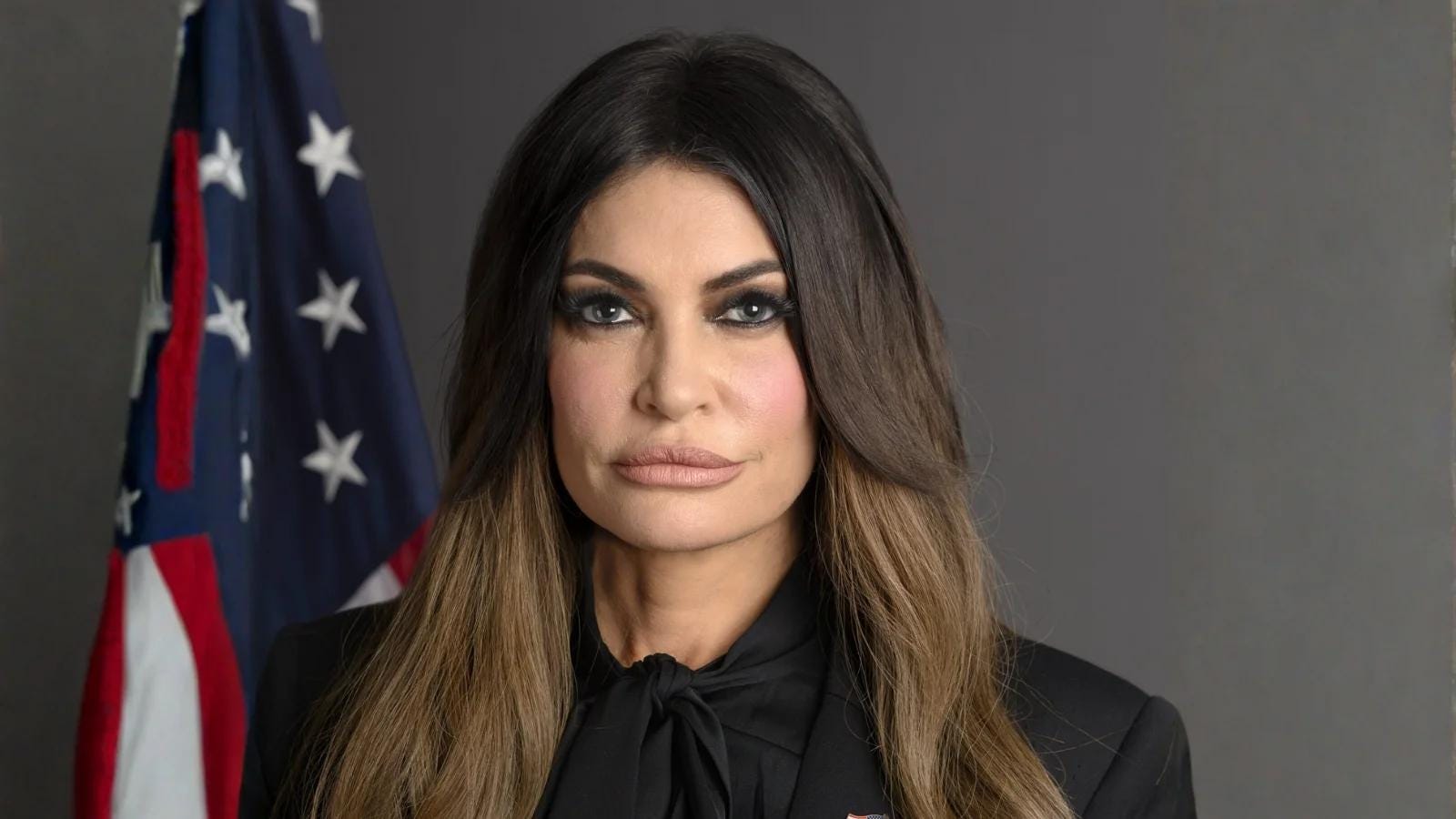
U.S. Ambassador to Greece Kimberly Guilfoyle is facing growing questions about her conduct after reports alleged that she accepted luxury travel and accommodations from wealthy Greek business figures while serving as Washington’s top diplomatic representative in Athens.
The controversy has expanded beyond her travel arrangements to include allegations that she promoted private commercial interests during diplomatic engagements and asked a prominent Trump supporter to pay a $100,000 credit-card bill in exchange for access to senior administration officials.
Guilfoyle has denied wrongdoing through her lawyer. Meanwhile, President Donald Trump and Secretary of State Marco Rubio are reportedly considering whether she should remain in her post, as scrutiny intensifies over her dealings with Greek business executives and political figures.
Reports Detail Private Jet Trips and Luxury Stays
A report by The Wall Street Journal described Guilfoyle discussing private jet trips and luxury accommodations connected to wealthy Greek business figures during the World Economic Forum in Davos, Switzerland, earlier this year.
According to the reporting, Guilfoyle described luxury travel to France with energy-company executives and expressed anger after she was not invited to a Greek-themed event at Davos. The accounts have raised questions about the relationships she maintained with private-sector figures while representing the United States overseas.
The issue is not simply whether a diplomat traveled in luxury. The central ethics question is whether travel, accommodations or other benefits were provided in circumstances that could create conflicts of interest or the appearance of preferential treatment.
The published allegations have not, by themselves, established that Guilfoyle violated federal law or diplomatic ethics rules.
Alleged $100,000 Payment Request Adds to Controversy
A separate Wall Street Journal report alleged that Guilfoyle asked Eric Deters, a Trump supporter and donor, to pay a $100,000 American Express bill shortly before her Senate confirmation hearing in 2025.
Deters has alleged that the proposed payment was linked to access to senior officials in the Trump administration. He described the arrangement as a quid pro quo in comments to NBC News.
The allegations have prompted questions about whether private financial assistance was connected to the use of public office. Guilfoyle’s lawyer has denied wrongdoing, and the claims have not been established through a public legal finding.
The alleged payment request has become one of the most serious elements of the controversy because it raises questions about the separation between private financial relationships and official government responsibilities.
Questions About Greek Business Interests
Earlier reports also alleged that Guilfoyle promoted the interests of Aktor Group, a Greek construction and energy company, during official diplomatic engagements.
According to a letter from Rep. Gregory Meeks, the ranking Democrat on the House Foreign Affairs Committee, a lobbyist working for Aktor was present at meetings involving Guilfoyle and senior officials. Meeks cited reports that some foreign officials were unaware of the lobbyist’s commercial role and believed he was part of the ambassador’s staff.
The committee’s concerns also include reported remarks by Guilfoyle suggesting that the United States could use its influence to undermine a foreign government. Those claims have prompted questions in Greece and Romania about U.S. diplomatic conduct and respect for the sovereignty of allied governments.
Meeks has called for an investigation and said Guilfoyle should be removed if the allegations are substantiated. These are allegations cited by lawmakers and media reports, not a final determination of misconduct.
State Department Watchdog Examines Allegations
NBC News reported that the State Department’s Office of Inspector General is investigating Guilfoyle and the U.S. Embassy in Greece, citing people familiar with the matter.
The inquiry follows a series of reports about her conduct, including the alleged payment request and her relationships with Greek commercial interests. It remains important to distinguish an investigative review from a formal finding: the existence of an inquiry does not establish that an official has committed wrongdoing.
The State Department has not publicly confirmed all details of the reported inquiry. Congress is also seeking answers about the allegations, increasing pressure on the department to explain whether appropriate ethics and oversight procedures were followed.
Trump and Rubio Reportedly Weigh Her Future
The controversy has reached the highest levels of the administration. An Associated Press report published October 11 said Trump and Rubio were considering firing Guilfoyle after the growing series of allegations.
The report cited a senior U.S. official who said the administration was angry about the reported conduct and could decide what action to take during the following week. The White House had not announced a final decision at the time of the report.
Rubio, who visited Greece in early October, previously praised the work of the U.S. Embassy and described Guilfoyle as a strong ambassador. As additional allegations emerged, however, he declined to validate the reports publicly, emphasizing that unverified accounts should not automatically be treated as established facts.
Vice President JD Vance also said he wanted to hear the full story before offering a definitive judgment on the reported $100,000 payment request.
Congressional Democrats Demand Accountability
Democratic lawmakers have called for a formal examination of Guilfoyle’s conduct and the possible use of her diplomatic position to advance private interests.
Meeks has requested answers from Rubio regarding the reports involving Aktor Group and the ambassador’s alleged remarks about political influence in allied countries. Sen. Jeanne Shaheen, the top Democrat on the Senate Foreign Relations Committee, has also called for scrutiny, along with Rep. Robert Garcia, the ranking Democrat on the House Oversight Committee.
Their demands reflect concerns about transparency, conflicts of interest and whether diplomatic access was handled appropriately. The administration and investigators have not publicly established that every allegation is accurate, and Guilfoyle’s denial remains part of the record.
A Diplomatic Controversy With Broader Implications
The case raises questions about how the State Department oversees politically connected ambassadors, particularly when they maintain relationships with wealthy donors, foreign business leaders and commercial interests.
U.S. ambassadors are expected to advance American foreign policy and represent the government in dealings with host countries. Allegations that an ambassador used official access to benefit private individuals or companies can undermine confidence in diplomatic impartiality, even before an investigation reaches conclusions.
For the Trump administration, the immediate decision is whether Guilfoyle will remain in Athens while the allegations are reviewed. The broader question is whether investigators will substantiate claims involving luxury benefits, commercial advocacy and the alleged exchange of private financial assistance for government access.
As of October 11, no final public finding had established that Guilfoyle committed the alleged misconduct. The outcome will depend on the evidence reviewed by the State Department and any further action taken by the administration or Congress.