

When administrators at the University of Mississippi Medical Center (UMMC) realized that some of their medical and nursing students were quietly struggling to afford basic necessities, they knew they had to intervene.
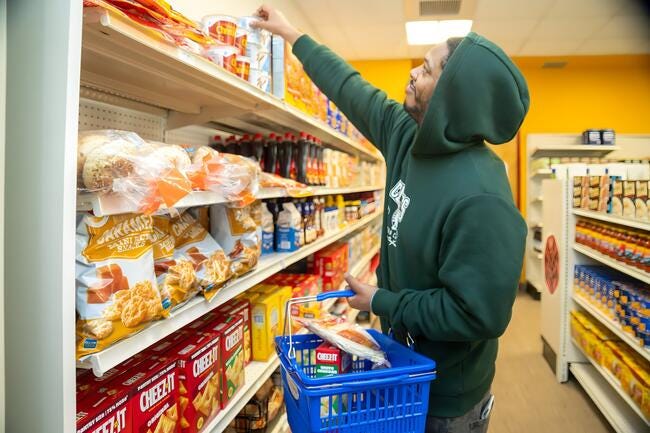
Following a successful campus-wide food drive in August, UMMC officially opened its doors to a new student food pantry on September 1. The facility provides free groceries and personal care items—ranging from toothpaste to laundry detergent—to any enrolled student in need.
“Every student’s financial situation is different,” said Jonathan Nutt, UMMC’s director of student services. “The hope is to serve any student who needs it. We just want to ensure we are preparing our students for their careers and that they can eventually serve the health needs of Mississippians.”
A Statewide Struggle
The initiative at UMMC is part of a broader, statewide trend. Across Mississippi—and the nation—college students are facing unprecedented financial pressure as the costs of housing, transportation, and groceries continue to climb. At many institutions, tuition and fees have also steadily increased over the past two years, leaving students with little wiggle room in their budgets.
The demand is staggering. A 2023 Hope Center for Basic Needs survey found that 59% of college students lack access to at least one basic need, such as stable housing or reliable transportation, while 41% reported experiencing direct food insecurity.
At the University of Southern Mississippi, the Eagle’s Nest Food Pantry is preparing for another record-breaking semester. During the first week of classes this August, staff and volunteers distributed more than 890 pounds of food and hygiene products to nearly 100 individuals. Last school year, the pantry recorded nearly 2,800 visits, the vast majority of which were from students.
“We’re beginning to see more students than ever,” said Sirena Cantrell, dean of students and associate vice president of student affairs at Southern Miss. “Students are telling their friends that this is a campus resource. Faculty and staff are also sharing it with students they see are in need.”
Lifelines During Emergencies
For many students, these pantries serve as critical lifelines not just for everyday budgeting, but during sudden emergencies.
At Delta State University, visits to the Statesman’s Shelf food pantry have more than doubled over the last few years, surging from 672 visits in the 2023-24 academic year to 1,672 in 2025-26. The resource proved especially vital this past January when Winter Storm Fern forced the campus to close. Icy roads and downed power lines left many students without transportation to off-campus grocery stores. The Statesman’s Shelf stayed open, serving over 400 people that month alone.
Seeing the growing need, Delta State recently expanded the pantry’s offerings to include everyday clothing, shoes, and accessories.
At Mississippi State University, the Bully’s Pantry offers similar relief. Hali Hollman, a recent 2026 graduate who volunteered at the pantry for several years, noted the immense pressure her peers face. “We are juggling all kinds of expenses and also having to balance our classwork, extracurriculars, work, and thinking about our future,” Hollman said.For these students, a reliable source of food is often the difference between dropping out and earning a degree.