

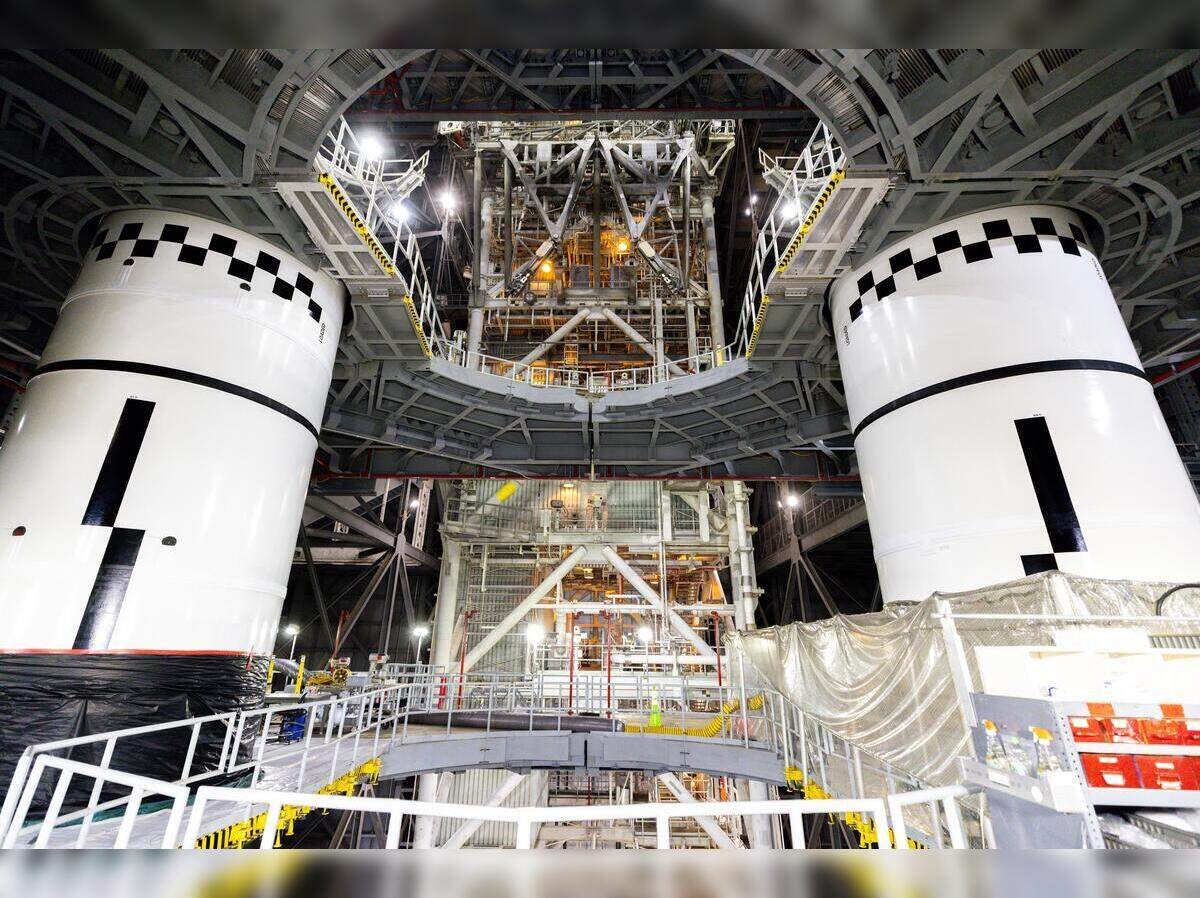
NASA is drastically speeding up its lunar program, actively shedding bureaucratic inertia to adopt an “Apollo-style” sense of urgency. The agency’s primary goal is to return American astronauts to the moon’s surface within the next two years and lay the critical groundwork for a permanent lunar base.
On Friday, NASA Administrator Jared Isaacman confirmed that the agency remains on track to launch the highly anticipated Artemis III mission by mid-2027. Isaacman openly acknowledged that the accelerated timeline is heavily driven by a “new space race” against China, a geopolitical competition he described as being “much closer than it ever needed to be.”
The Artemis III operation will be unprecedented in its logistical complexity, requiring three separate launches from Cape Canaveral. According to the current mission architecture, the Orion spacecraft will first dock with Blue Origin’s Blue Ghost approximately 435 kilometers above Earth, followed by a subsequent rendezvous with SpaceX’s massive Starship vehicle before making the lunar descent.
NASA astronaut Frank Rubio, a designated member of the Artemis III crew, characterized the upcoming mission as “incredibly ambitious.” To prepare for the harsh environment and long-term lunar operations, private aerospace company Axiom Space is slated to test new “sortie suits” aboard the International Space Station next year. Meanwhile, Isaacman confirmed that the subsequent follow-up mission, Artemis IV, remains scheduled for 2028.