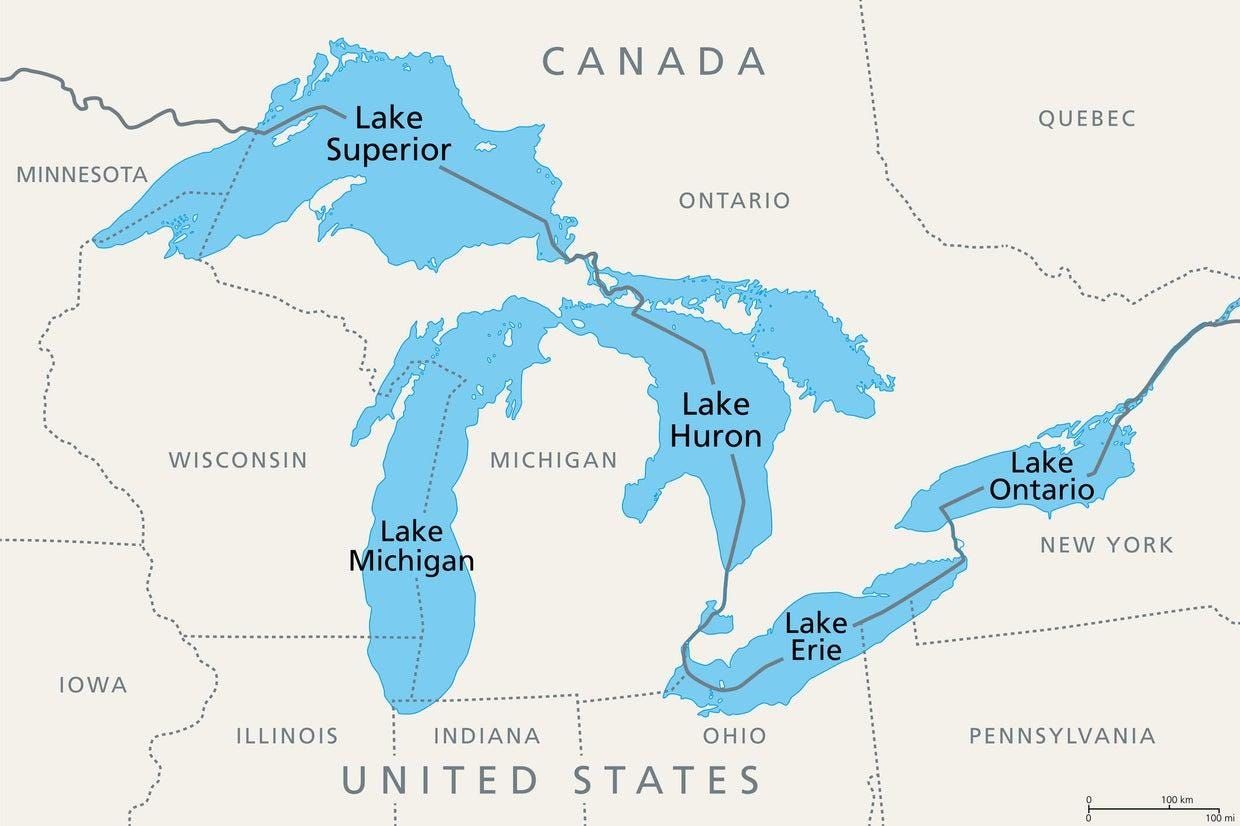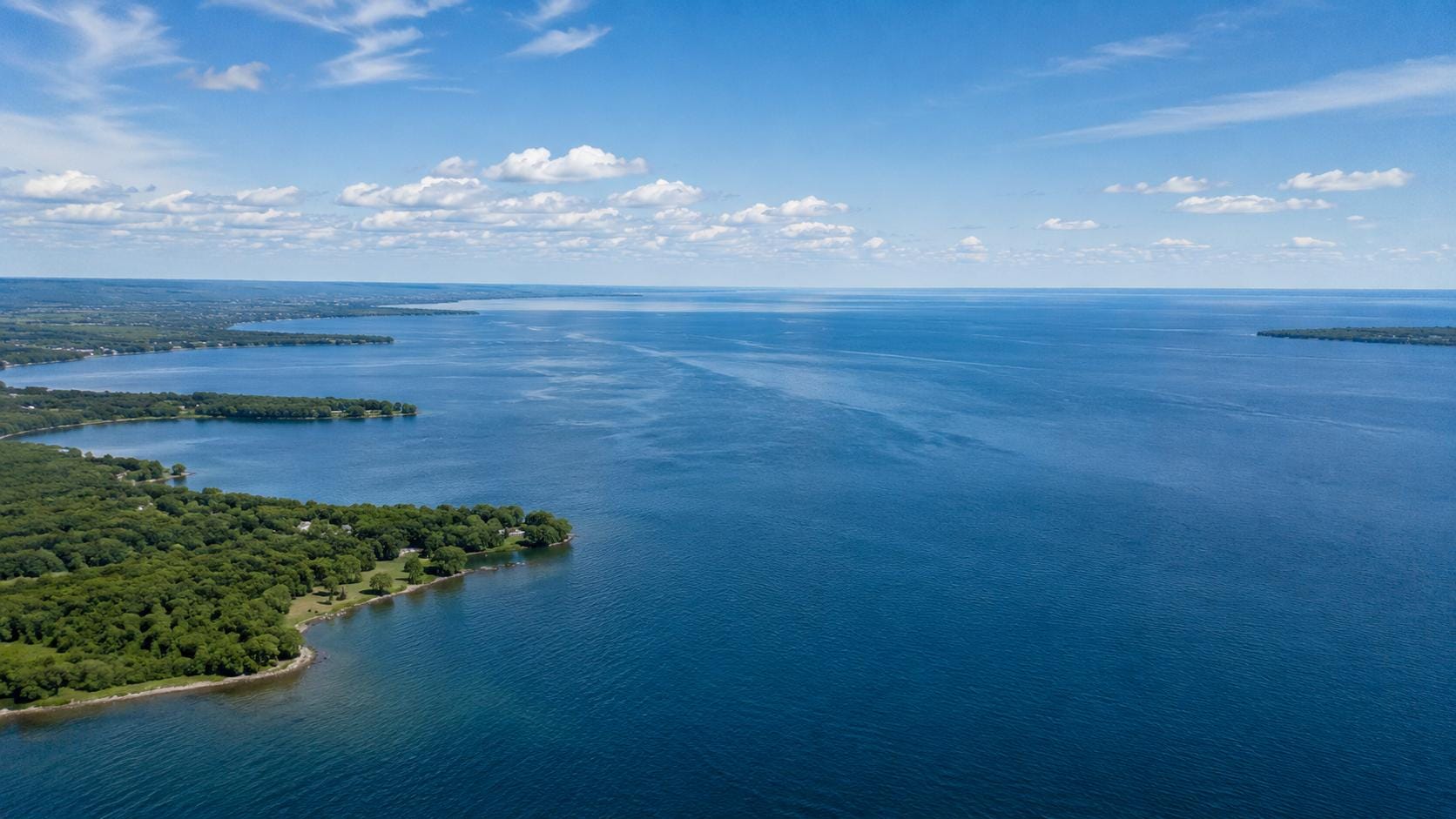
WASHINGTON / OTTAWA — November 17, 2026 — A leading organization representing Native American and Alaska Native tribal governments is calling on President Donald Trump to reverse his decision to rename Lake Ontario as Lake America, arguing that the move disrespects Indigenous history and threatens the recognition of traditional geographic names.
The National Congress of American Indians (NCAI) is urging the Trump administration to abandon its August executive order directing federal agencies to recognize Lake Ontario as Lake America.
The organization says the original name carries deep cultural, spiritual and historical significance for Indigenous communities whose connections to the Great Lakes region existed long before the establishment of the United States and Canada.
A resolution opposing the renaming was approved during the organization’s October assembly. The measure was introduced by the Seneca Nation of Indians, a Haudenosaunee community based in western New York.
Indigenous Communities Challenge the Name Change
The dispute centers on more than a geographic label. Indigenous leaders argue that traditional place names represent generations of cultural identity, language, history and relationships with ancestral territories.
The name Ontario has Indigenous linguistic origins and remains an important part of the region’s cultural heritage.
According to the National Congress of American Indians, the name carries particular significance for communities whose histories and traditions are closely connected to the lake.
In the Seneca language, the lake’s name is associated with the meaning “beautiful lake.” In Wendat, the expression conveys the meaning that the lake is beautiful and large.
Indigenous representatives argue that replacing such names through unilateral government action risks overlooking the communities that originally named and maintained relationships with these lands and waters.
Trump’s Executive Order Sparks Opposition
In August 2026, Trump signed an executive order directing the U.S. Department of the Interior and the Board on Geographic Names to change the federal government’s official designation of Lake Ontario to Lake America.
The administration defended the decision by highlighting the lake’s importance to American commerce, transportation, history and national interests.
The order instructs federal agencies to update government records, maps and official communications to reflect the new designation.
However, the directive applies to U.S. federal government usage. It does not require Canada or international organizations to adopt the replacement name.
The decision has drawn criticism from Indigenous leaders, Canadian officials and others who argue that the historic name should remain unchanged.
Seneca Nation Leads Opposition
The Seneca Nation of Indians has played a central role in challenging the administration’s decision.
The Nation’s involvement reflects the longstanding cultural and historical connections between Haudenosaunee communities and the Great Lakes region.
The October resolution adopted by the National Congress of American Indians calls on the federal government to suspend its use of the name Lake America and reconsider the executive order.
For Indigenous leaders, the issue also raises broader concerns about the preservation of Native languages, historical recognition and the authority of governments to redefine culturally significant geographic locations.
A Broader Debate Over Indigenous History and Recognition
The controversy highlights continuing disagreements over how Indigenous history and cultural heritage should be recognized in government decisions.
Native American communities have long advocated for greater recognition of traditional place names, protection of ancestral lands and respect for Indigenous sovereignty.
Critics of the renaming argue that geographic names are not simply administrative labels. They can preserve knowledge, cultural traditions and historical relationships that have endured for centuries.
The dispute also has significance beyond the United States. Lake Ontario connects communities in New York and Ontario, Canada, making its historical identity part of a shared regional heritage.
The Original Name Remains a Point of Cultural Significance
The National Congress of American Indians is asking the Trump administration to reverse course and recognize the historical and cultural importance of the name Lake Ontario.
While the executive order directs how U.S. federal agencies identify the lake, opposition from Indigenous organizations demonstrates that the debate extends well beyond government maps and official records.
For Native American communities, preserving the name is about protecting a connection to their history, languages and ancestral homelands.
As the controversy continues, the question remains whether the administration will reconsider its decision in response to calls from Indigenous leaders and tribal governments.