

Israeli Prime Minister Benjamin Netanyahu has called for a criminal investigation into the anonymous Israeli military personnel who appear in NAZA, a documentary about Israel’s military operations in Gaza that has sparked a political firestorm in Israel.
In a statement on October 11, Netanyahu asked the military chief of staff, the head of Israel’s Shin Bet domestic intelligence agency and the state attorney to investigate the film’s participants and consider prosecution. He accused the documentary of presenting a “false, misleading and biased” account that damages Israel’s reputation and its military.
The film features testimony from 24 people whom its directors identify as Israeli military and intelligence insiders. Their accounts allege that AI-assisted targeting systems helped identify targets in Gaza and that military commanders approved strikes despite expectations of substantial civilian casualties.
The Israeli military has categorically rejected the allegations, disputing both the film’s account of its targeting procedures and the reliability of its anonymous sources.
Netanyahu Seeks to Identify the Film’s Sources
Netanyahu called on Attorney General Gali Baharav-Miara, Israel Defense Forces Chief of Staff Lt. Gen. Eyal Zamir and Shin Bet chief David Zini to identify those who provided testimony to the filmmakers.
His request cites possible offenses involving the disclosure of classified information, criminal defamation and alleged harm to Israel’s diplomatic and security interests.
The prime minister’s demand follows the film’s international reception and growing controversy inside Israel. Netanyahu has previously voiced support for legislation that would revoke the citizenship of people accused of defaming Israeli soldiers.
The request for an investigation does not itself establish that the participants committed crimes. Any criminal case would require authorities to determine whether the evidence supports specific legal charges.
What NAZA Alleges About Israel’s Gaza Operations
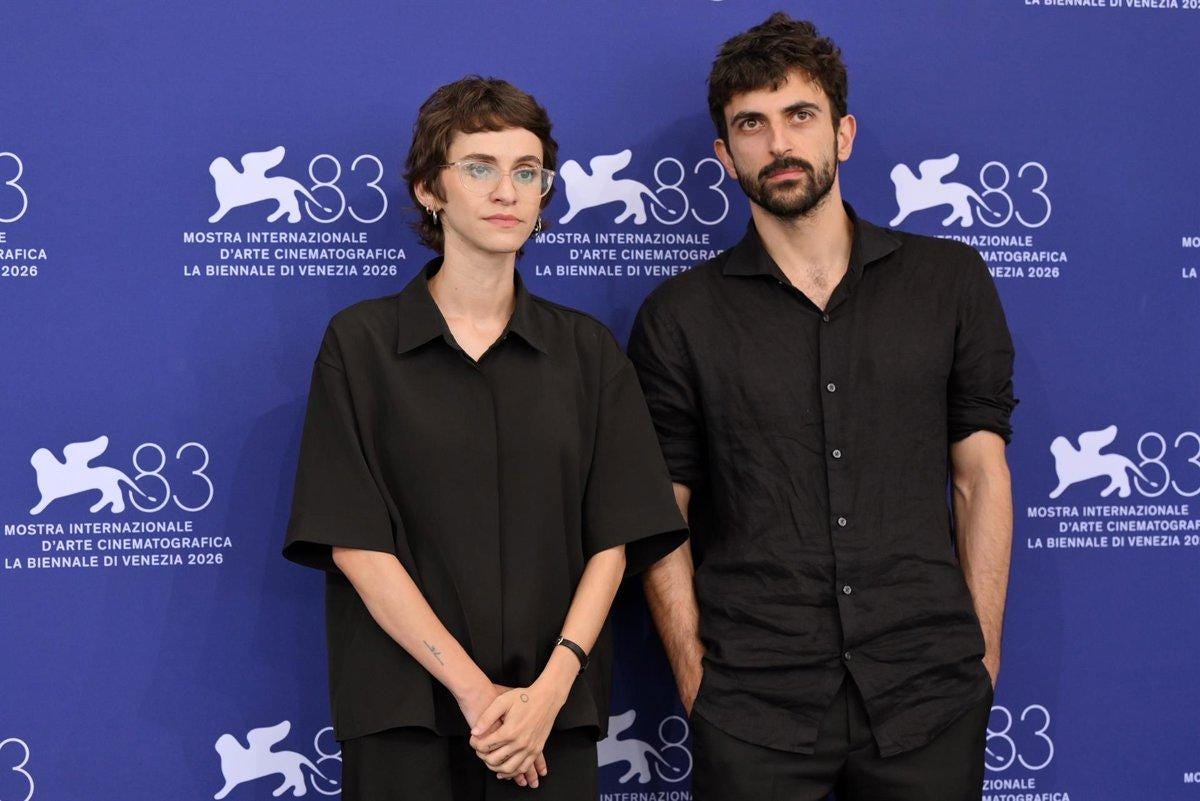
Directed by Israeli filmmakers Yuval Abraham and Rachel Szor, NAZA draws on interviews with 24 anonymized military and intelligence insiders. Their faces and voices were digitally altered to protect their identities.
The documentary examines Israeli military intelligence and targeting practices during the Gaza war, including the use of AI-based systems to identify potential targets. Interviewees allege that strikes were approved despite the anticipated presence of civilians, including family members inside residential buildings.
The film’s title comes from a Hebrew military term associated with expected civilian casualties in an attack.
The filmmakers say the documentary builds on reporting published by The Guardian, the Israeli-Palestinian publication +972 Magazine and the Hebrew-language outlet Local Call. They describe the work as an investigation into the systems behind civilian deaths, based in part on testimony from people with direct knowledge of military operations.
Israeli Military Rejects the Documentary’s Claims
The Israel Defense Forces has issued a detailed denial of the film’s allegations, disputing claims about how targets are selected and how expected civilian casualties are assessed.
According to reporting by The Times of Israel, the military said human personnel remain responsible for selecting and approving strikes. It also rejected the documentary’s claim that a strike had been approved with an expectation of as many as 500 civilian deaths, describing that assertion as baseless and unverifiable.
The disagreement places the film’s anonymous testimony at the center of a wider dispute over military accountability, classified information and the reliability of sources speaking without public identification.
The filmmakers maintain that anonymity was necessary to protect their interviewees. The military’s objections, meanwhile, raise questions about what information can be disclosed by serving or former personnel without violating security rules. The allegations have not been independently established in full through a public judicial finding.
Venice Award Brings International Attention
NAZA received the Special Jury Prize at the Venice Film Festival in September 2026. Its premiere drew a reported 25-minute standing ovation, helping propel the documentary into international debate.
The film was produced by The Guardian and directed by Abraham and Szor, both Israeli filmmakers. Their previous documentary, No Other Land, won the Academy Award for best documentary feature in 2025.
The international recognition has contrasted with the backlash in Israel, where senior officials have condemned the film and some government supporters have called for action against its creators.
The documentary is expected to reach audiences in multiple countries, although its distribution and reception inside Israel have become part of the broader controversy.
A Broader Debate Over Press Freedom and Military Secrecy
The dispute raises competing questions about the public interest in reporting on military conduct and the state’s responsibility to protect classified information.
Investigative journalists frequently rely on confidential sources when reporting on sensitive government or military matters. Such protections can enable disclosures that would otherwise remain hidden, but they can also create difficult questions about verification, national security and the legal obligations of people with access to classified information.
In this case, Netanyahu has called for an investigation and possible prosecution, while the filmmakers have presented the testimony as an important account of Israeli military practices in Gaza.
The outcome could affect not only the documentary’s public reception but also the environment in which Israeli military personnel, journalists and filmmakers discuss alleged misconduct.
For now, the central factual dispute remains unresolved: the film’s sources allege that Israeli targeting practices contributed to large-scale civilian deaths, while the military rejects key claims about its procedures and the reliability of the testimony.