

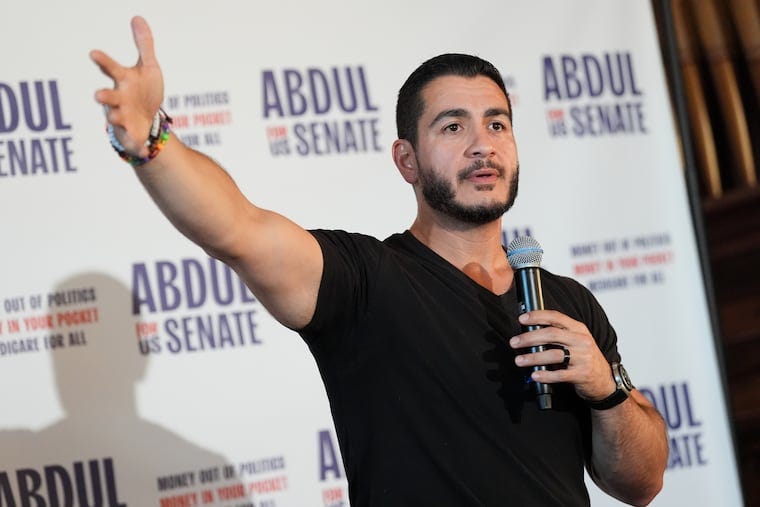
Former President Barack Obama is set to make a significant push in the final weeks of the 2026 midterm elections, scheduling a major campaign stop in Detroit to stump for Michigan Democratic Senate candidate Abdul El-Sayed.
The high-profile rally, slated for October 24, will take place around the start of early voting in the battleground state. Obama is also expected to campaign alongside Jocelyn Benson, the Democratic nominee for governor, who is currently facing off against Republican Representative John James.
The Detroit event marks a notable escalation in Obama’s political involvement this cycle. After remaining relatively selective with his endorsements throughout the year, the former president is expected to make additional campaign stops and release dozens of taped advertisements for Democratic candidates nationwide over the coming weeks.
Securing the open Michigan Senate seat, currently held by retiring incumbent Democrat Gary Peters, remains a top priority for the party as it fights to regain control of the upper chamber.
El-Sayed, a progressive former public health official, narrowly defeated establishment-backed Representative Haley Stevens in a highly contentious August primary. He is now locked in a tight race against Republican former Representative Mike Rogers. Polling indicates the matchup is incredibly competitive, with Republicans heavily targeting the seat as a potential pickup opportunity.
Following a primary that exposed ideological rifts within the state party, El-Sayed’s campaign has been working diligently to consolidate support. The candidate recently revealed that he had a “warm and inspiring” conversation with Obama shortly after his primary victory, noting that the former president provided valuable advice on navigating the critical race.
Obama’s visit to Detroit aims to help El-Sayed bridge divides and energize key voting blocs. The former president’s presence on the campaign trail has historically drawn massive crowds in Michigan, having held prominent rallies in the city during both the 2022 and 2024 election cycles.