

A groundbreaking study published in The Lancet Digital Health reveals that artificial intelligence can now estimate a person’s biological age and predict their chances of surviving cancer simply by analyzing a single facial photograph.
Developed by researchers at Mass General Brigham, the new AI foundation model is known as FAHR-Face (Foundation Artificial Intelligence for Health Recognition). It was trained on an extensive dataset containing more than 40 million face images.
How the Technology Works
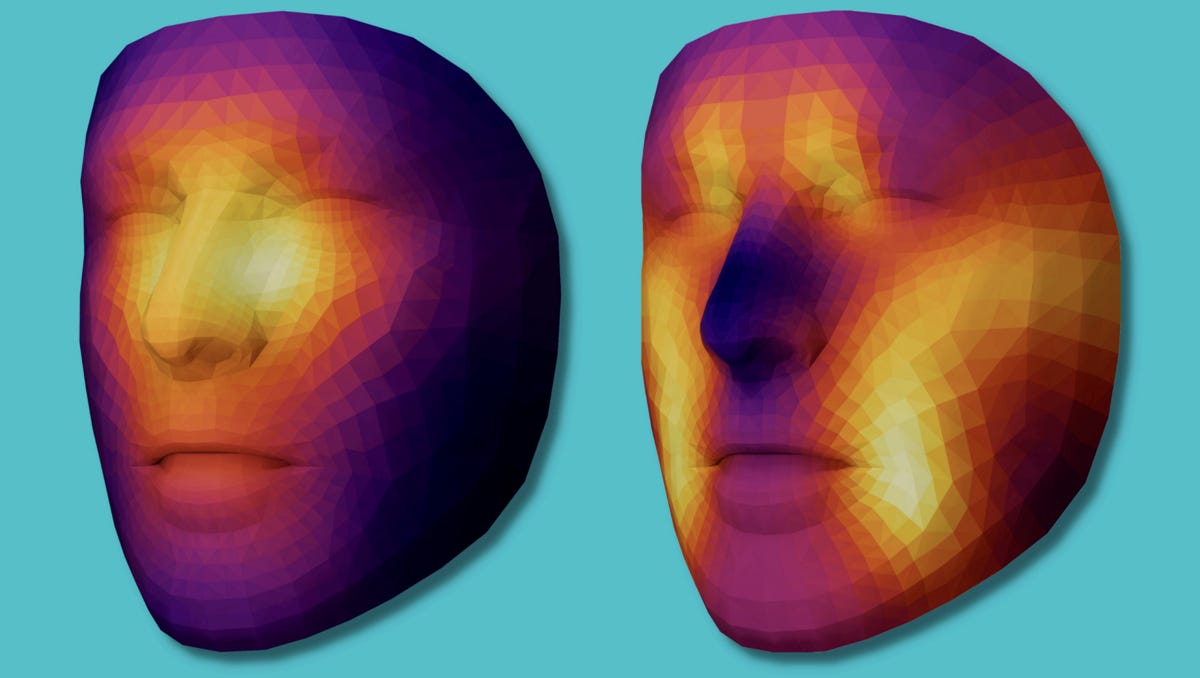
The FAHR-Face model powers two complementary tools: FAHR-FaceAge and FAHR-FaceSurvival. By closely analyzing specific facial features—such as the nasal bridge, eye areas, and visible aging patterns heavily influenced by lifestyle factors like smoking—the tools can quantitatively assess an individual’s biological aging and their corresponding risk of cancer mortality.
According to researchers, the AI successfully separated cancer patients into distinct risk groups with different 90-day death rates. Notably, the model demonstrated consistency across real-world variations in photos, effectively adjusting for differences in lighting, angles, and makeup.
A New Tool for Physicians
Dr. Raymond Mak, a radiation oncologist at the Mass General Brigham Cancer Institute, noted that physicians frequently struggle to accurately estimate end-of-life expectancy for oncology patients. He suggested the new AI model could serve as “a way for doctors to have one more piece of information” when determining appropriate therapeutic options.
However, medical experts stress the need for caution before widespread adoption. University of Surrey professor Miroslaw Bober emphasized that the tool is not yet ready for immediate clinical use. Bober noted that it must undergo rigorous testing against physicians’ clinical judgments across a diverse range of hospitals and patient demographics to fully demonstrate its practical, clinical value.