

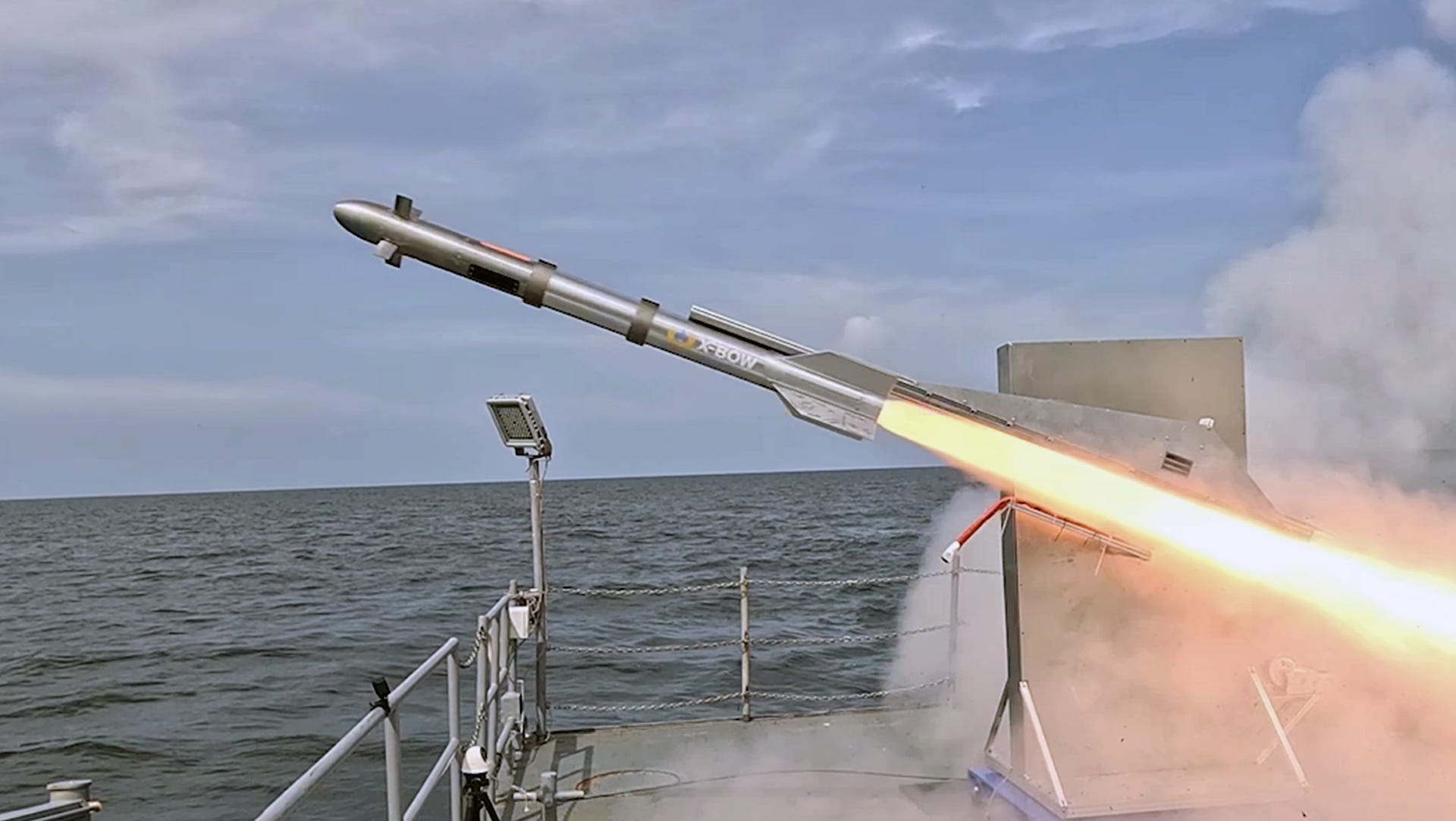
The Pentagon has awarded Raytheon a multiyear contract worth up to $6.3 billion to manufacture and maintain Standard Missile-3 Block IB interceptors, strengthening the U.S. military’s ability to counter ballistic missile threats as Washington works to replenish weapons inventories.
Announced October 8, 2026, the agreement provides $4.4 billion in base contract funding, with options that could extend the arrangement for two additional years and bring its total value to $6.3 billion. The Missile Defense Agency is overseeing the contract, which allows production work to begin immediately.
The agreement reflects a broader Pentagon initiative to increase domestic weapons production and address concerns about the availability of critical interceptors following recent military operations and heightened demand for air and missile defense systems.
SM-3 interceptors play a critical role in missile defense
The Standard Missile-3 Block IB is designed to intercept short- and intermediate-range ballistic missiles outside the atmosphere during the midcourse phase of their flight.
Unlike weapons designed primarily to intercept threats close to the ground or during their final approach, the SM-3 uses a hit-to-kill approach, destroying incoming ballistic missiles through direct impact. It can be launched from equipped naval vessels and compatible land-based installations.
The interceptor is an important component of the United States’ layered missile-defense architecture, which combines different systems to address threats at different stages of flight.
Raytheon has said the SM-3 Block IB has demonstrated its operational relevance in combat. The company says the new agreement will help sustain production and ensure that U.S. forces and allied partners have access to the interceptors they need.
Pentagon moves to rebuild depleted weapons inventories
The contract arrives amid growing concern about the consumption of expensive air-defense weapons during recent conflicts.
U.S. forces have used significant quantities of interceptors to defend against ballistic missile and other aerial threats in the Middle East. The United States has also supplied weapons to allies, including Ukraine, placing additional demands on production capacity and available inventories.
The Congressional Budget Office has highlighted the consumption of Patriot, THAAD, SM-3 and SM-6 interceptors during operations involving Iranian missile and drone attacks. These systems serve different roles, making sustained production important to maintaining a layered defense.
The Pentagon’s challenge is not simply to order more weapons, but to ensure manufacturers and their suppliers can deliver them at a pace that matches military requirements.
Manufacturing work to take place in Arizona and Alabama
Raytheon, a subsidiary of aerospace and defense company RTX, will carry out most of the work under the agreement at facilities in Tucson, Arizona, and Huntsville, Alabama.
The company says it has invested in expanding manufacturing capacity across its Standard Missile product line. The multiyear structure is intended to provide greater production certainty, helping Raytheon and its suppliers plan investments, secure components and address manufacturing bottlenecks.
Defense manufacturers have repeatedly warned that expanding output requires sustained demand and reliable funding, particularly for specialized components and complex propulsion systems. A long-term contract can provide greater certainty, although the final number of interceptors delivered depends on the contract terms and available funding.
Part of a wider expansion of U.S. missile production
The SM-3 award follows several major Pentagon agreements with Raytheon and other defense contractors intended to accelerate production of key munitions.
Raytheon recently secured a contract worth up to $24.4 billion for Standard Missile-6 production. In July, Lockheed Martin received a contract valued at up to $58.6 billion to manufacture Patriot PAC-3 interceptors over multiple years.
These agreements reflect a shift toward longer-term procurement arrangements designed to give manufacturers more confidence to expand production lines and invest in their supply chains.
The administration has also emphasized increasing domestic weapons output as the United States reassesses its missile-defense requirements and explores broader homeland-defense initiatives, including the proposed Golden Dome system.
However, larger contracts alone do not guarantee immediate increases in available weapons. Production depends on manufacturing capacity, specialized suppliers, workforce availability and congressional funding.
Strategic implications for U.S. and allied defense
The new agreement is intended to help the United States maintain a reliable supply of interceptors against increasingly demanding ballistic missile threats.
For the Navy and the Missile Defense Agency, the SM-3 remains an important part of the effort to defend U.S. forces, allied territory and strategically important assets. Sustaining production could also help reduce pressure on existing inventories as the military balances current operations with future contingency planning.
The $6.3 billion contract underscores the growing priority Washington places on missile defense and the industrial capacity required to support it. Its long-term impact will depend on how quickly Raytheon and its suppliers can translate the agreement into additional, delivered interceptors.