

The Pentagon has increased its official death toll for U.S. service members associated with the war against Iran to 21, adding two noncombat deaths to its casualty database after weeks of questions about the accuracy of the government’s public accounting.
The Defense Casualty Analysis System had previously listed 19 deaths connected to the conflict. The latest update also reports that at least 865 service members have been wounded.
The revised figures follow reporting that the number of U.S. military deaths may have been higher than the Pentagon’s earlier public total. The changes have intensified criticism from lawmakers over the department’s casualty reporting procedures.
Two Deaths Added to the Official Count
One of the newly counted deaths was Maj. Sorffly Davius, 46, an Army National Guard officer who died in Kuwait on March 6. The other was an unidentified Navy service member whose death by suicide occurred in September, according to reports cited by UPI.
Neither death was classified as a combat fatality. Their inclusion nevertheless increased the Pentagon’s official total associated with the war to 21.
The update highlights the distinction between deaths directly caused by hostile action and other service-member deaths recorded during the broader conflict. Accurate accounting depends on how the Defense Department classifies incidents and determines whether they fall within a particular operation or reporting category.
Pentagon Separates Casualties Into Two Categories
The Defense Department is reporting casualties in two categories reflecting different phases of the conflict.
The first covers Operation Epic Fury, which began with U.S. and Israeli strikes against Iran on February 28. That category lists 15 service members killed and 417 wounded.
The second category covers casualties recorded under overseas operations since July 7. It lists six deaths and 448 wounded.
Together, the categories account for 21 deaths and 865 wounded service members. The separate classifications have complicated comparisons with earlier figures, particularly as the conflict’s operational status and reporting categories have changed.
Hegseth Faces Questions Over Casualty Reporting
The revised figures follow a dispute over whether the Pentagon had accurately disclosed the number of U.S. personnel killed and injured during the war.
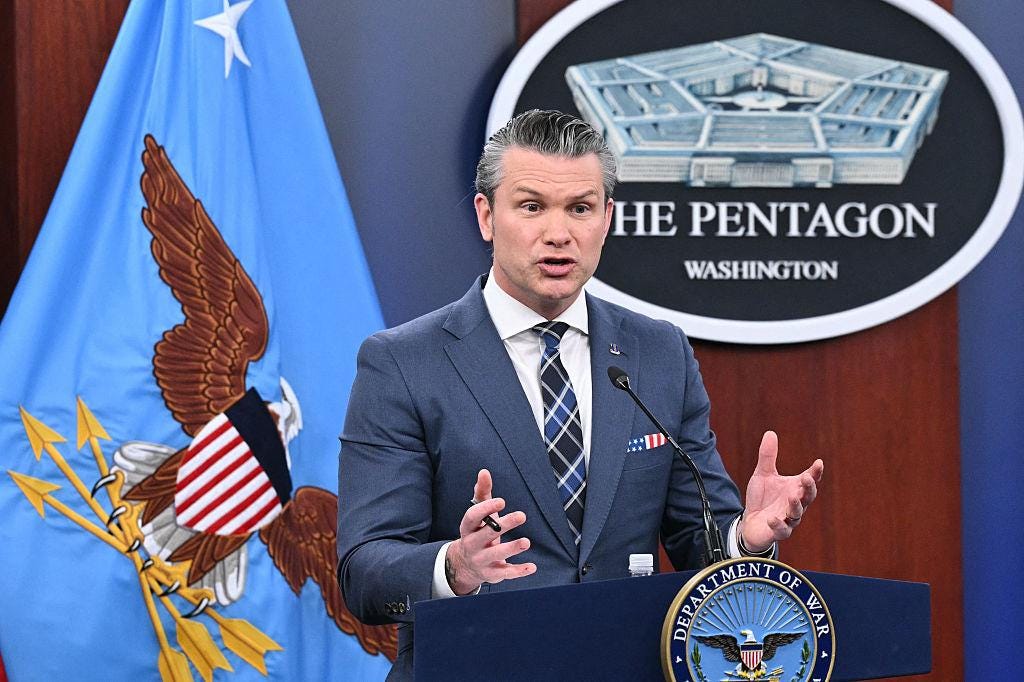
The Washington Post previously reported that internal casualty figures suggested more deaths than the Pentagon’s public database showed. Defense Secretary Pete Hegseth rejected that reporting, calling it “DISGUSTING and FAKE” and a “complete LIE” in a post on X.
The Pentagon subsequently said it remained committed to transparent and accurate casualty reporting.
Reps. Adam Smith of Washington and Chrissy Houlahan of Pennsylvania criticized the department’s handling of the figures. They said the need for Congress to intervene and demand a fuller accounting reflected a failure of oversight and transparency.
Why the Numbers Matter
Military casualty figures are closely watched during wartime because they help the public and Congress assess the human cost of a conflict. They also inform oversight of military operations, force protection and the treatment of injured personnel.
The Pentagon’s use of separate categories has prompted questions about whether the public can easily understand the full toll. The categories reflect different periods of operations, but changes in classification can make comparisons with earlier announcements difficult.
The latest update provides a revised official count, but it does not resolve every question about the department’s earlier reporting. Further clarification may be needed to explain how the deaths were initially categorized and how the Pentagon will prevent similar discrepancies.
The Conflict’s Human Cost Continues to Mount
With 21 deaths and at least 865 service members wounded listed across the two categories, the Pentagon’s latest figures underscore the continuing human cost of the conflict.
The numbers include both combat-related and noncombat deaths, so they should not be interpreted as 21 service members killed directly by Iranian attacks.
The updated database offers a clearer official accounting than the previous total, while the disagreement over how the figures were reported has added a separate accountability issue for the Defense Department.