

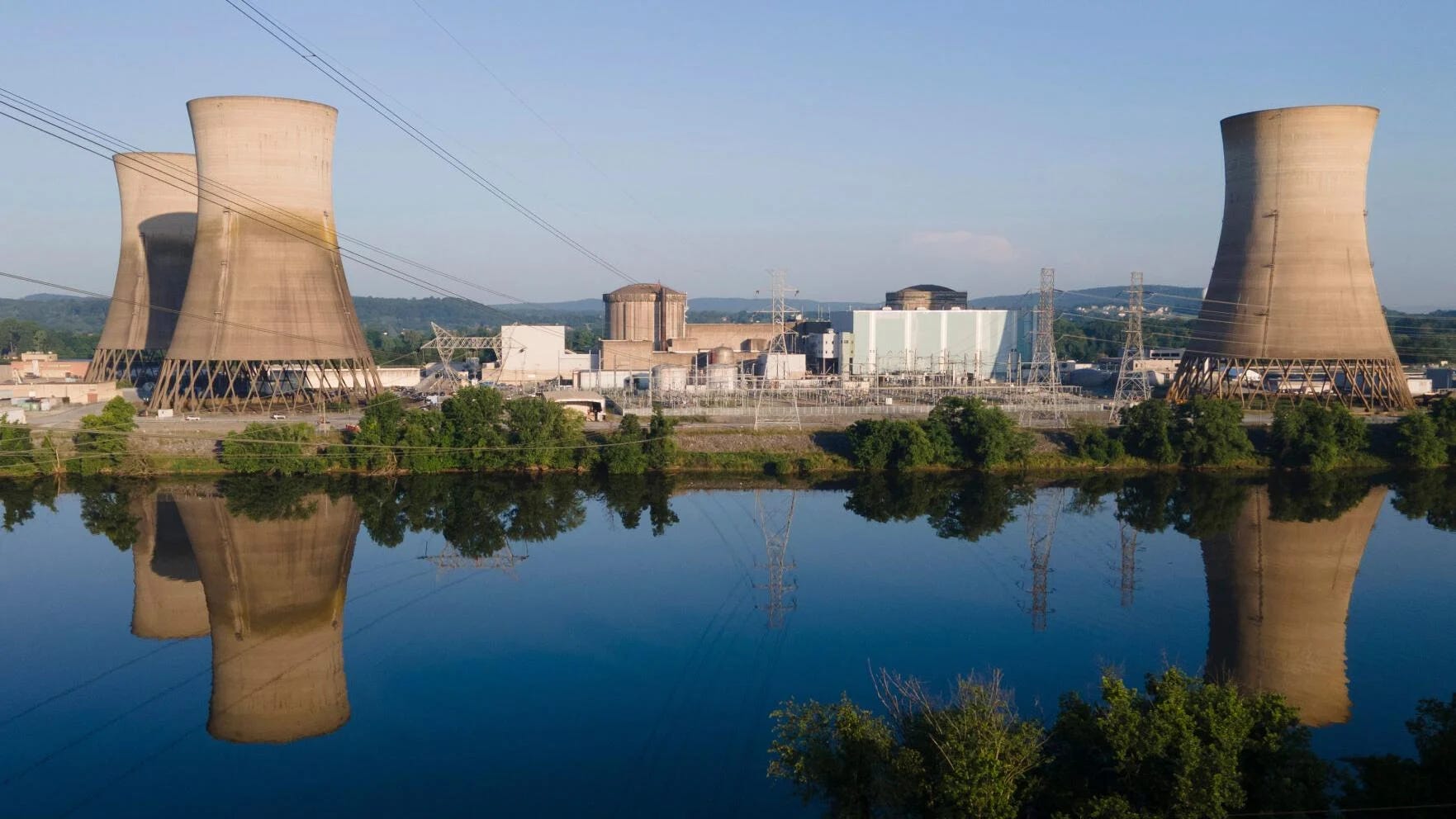
As the United States grapples with a massive surge in electricity demand—driven largely by the rapid expansion of artificial intelligence, cloud computing, and heavy manufacturing—the energy industry is turning back to a controversial but highly reliable source: decommissioned nuclear power plants.
The tech industry’s need for continuous, 24/7, carbon-free electricity has highlighted the limitations of intermittent renewable sources like wind and solar. In response, energy companies and tech giants are executing multi-billion-dollar deals to restart nuclear facilities that were shut down years ago.
Reviving the Duane Arnold Energy Center
In Iowa, the push for nuclear energy is moving quickly. Google and NextEra Energy have partnered on a major initiative to bring the state’s only nuclear power station, the Duane Arnold Energy Center near Cedar Rapids, back online.
The facility originally began operating in 1975 but was permanently shut down in August 2020 after sustaining severe damage during a derecho storm. Now, under a 25-year power purchase agreement, Google is helping to bankroll the plant’s restart. The tech giant aims to have the 615-megawatt facility delivering clean electricity back to the grid by early 2029, pending regulatory approvals.
According to an economic analysis, reviving Duane Arnold is expected to deliver upwards of $9 billion in economic benefits to Iowa, creating over 1,600 jobs during the construction phase and roughly 400 permanent roles once operational. NextEra Energy has also assured local residents that Iowa electricity consumers will not bear the costs associated with Google’s power procurement.
A National Trend
The effort in Iowa is part of a broader national strategy to utilize existing infrastructure to meet immediate energy needs.
The most notable example is the push to restart a unit at Three Mile Island in Pennsylvania—the site of the worst commercial nuclear accident in U.S. history. That restart is moving forward with significant financial backing through a power purchase agreement with Microsoft.
“The strategy is pretty straightforward,” noted one industry regulator in a recent task force report. “We’re preserving every nuclear power plant we can. We are uprating every power plant that can be, so that we can get more electricity out of the ones we already have.”
While solar and wind remain critical components of the national grid, experts note that nuclear energy boasts the highest capacity factor of any power source, producing maximum power over 92% of the time. As AI infrastructure continues to balloon, refurbishing existing nuclear plants is proving to be a faster and far less expensive option than constructing entirely new facilities from scratch.