

President Donald Trump met with U.S. oil refining executives at the White House on Tuesday, urging them to boost domestic production of gasoline and diesel in an effort to combat soaring fuel costs ahead of November’s midterm elections.
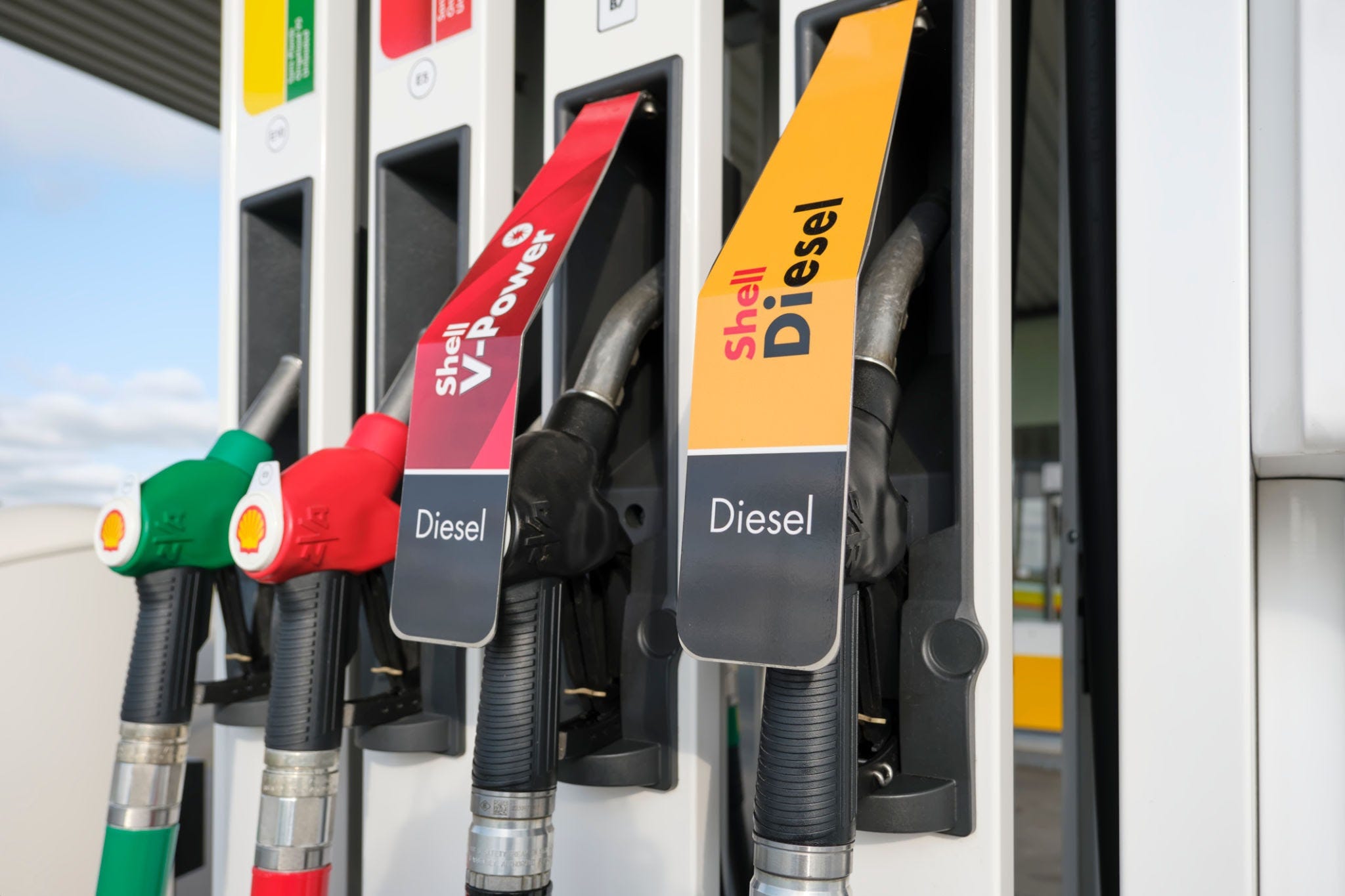
The closed-door meeting highlighted the political pressure Trump faces as Americans grapple with cost-of-living concerns exacerbated by the ongoing U.S. war on Iran. The conflict has disrupted crude and refined petroleum supplies, driving average national pump prices above $4 a gallon for gasoline and nearly $6 for diesel—the highest seasonal levels ever recorded.
According to a White House official, the executives shared the administration’s goal of lowering prices, and discussions focused on possible regulatory changes, expediting permits, and spurring further investments to increase refining capacity.
However, industry leaders also used the session to voice their own frustrations. Roughly a dozen executives from both large companies like Marathon Petroleum Corp. and Valero Energy Corp., and smaller independent firms like Delek US Holdings, pushed back against federal biofuel-blending mandates. They argued that the Renewable Fuel Standard—which requires refiners to mix alternative fuels like corn-based ethanol into gasoline—is actually driving up costs at the pump. Tensions around these quotas remain high, especially after the Environmental Protection Agency recently granted exemptions to some small refineries while requiring non-exempted facilities to make up the difference.
Administration officials, including Energy Secretary Chris Wright and Interior Secretary Doug Burgum, were present. The biofuel mandates place Trump in a difficult political spot, as they divide two of his key constituencies: the agriculture sector and the oil industry.
The discussion also touched on how the U.S. can process more crude oil from Venezuela. The Trump administration is seeking to boost Venezuelan crude imports—relying on a U.S. company with 100-year concessions there—to feed Gulf Coast refineries equipped for heavier oil. However, refiners cautioned that bringing in more Venezuelan crude is geographically unfeasible for many facilities across the country.
Despite the challenges, Energy Secretary Wright expressed optimism after the meeting, telling reporters that he anticipates seeing “downward pressure” on gas and diesel prices in the coming weeks.