

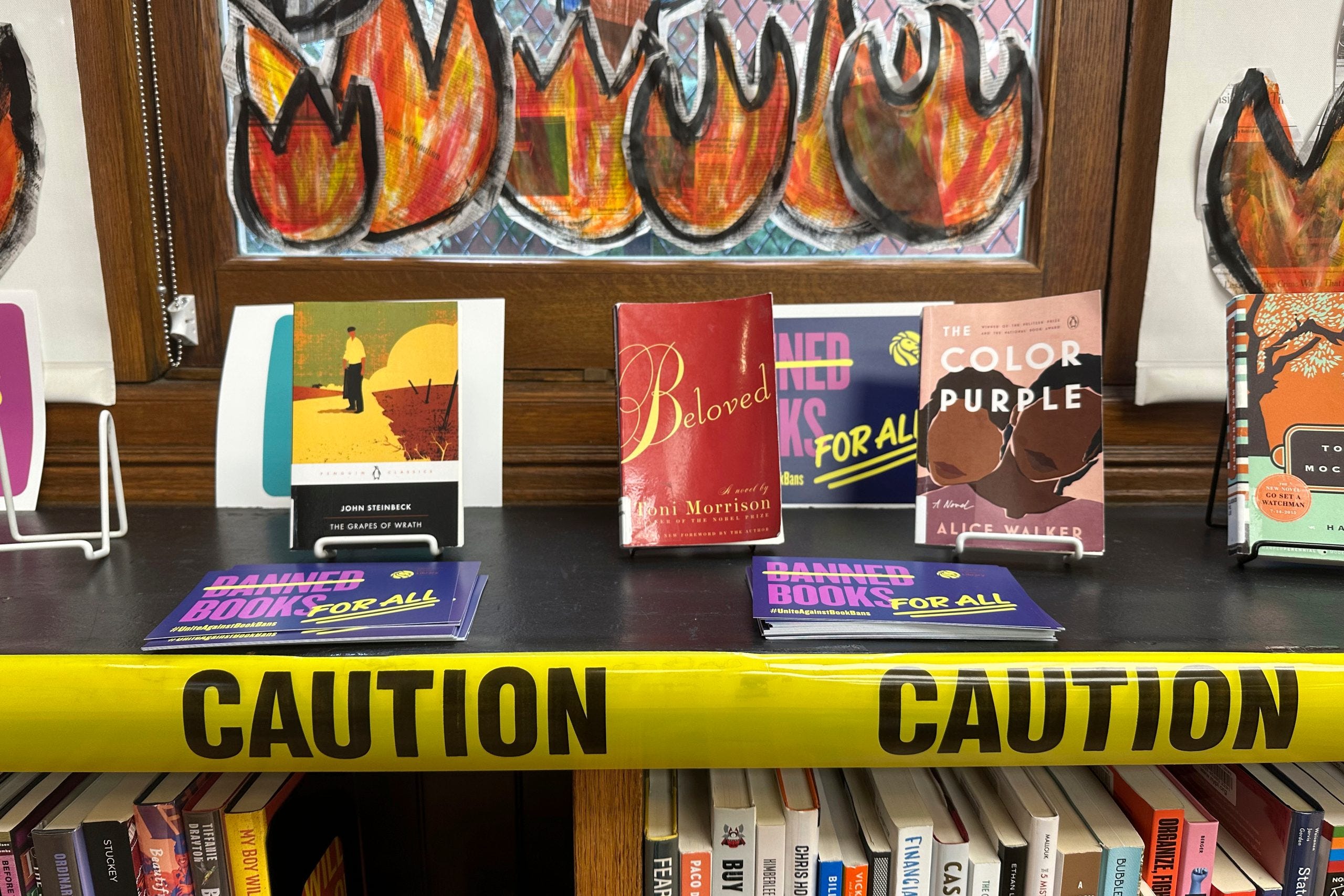
Public schools across the United States saw nearly 12,000 book bans over the past year, marking a record high since PEN America started tracking the data five years ago. For the second consecutive year, celebrated author Stephen King topped the list as the writer most likely to have his work pulled from shelves.
According to the free expression organization, the surge is largely driven by political and conservative activist pressure, especially in states with restrictive laws like Florida and Texas. The report also highlights a growing trend: school district administrators are increasingly turning to Artificial Intelligence to help flag and remove books.
The primary targets for these bans remain consistent. Books dealing with themes of race, racism, sexuality, and gender identity are the most frequently challenged.
“School libraries make knowledge and ideas available, ensure books remain available for all regardless of personal or political ideologies, and open gateways to stories that inform, challenge, and reflect the realities of the world back to readers,” PEN America noted in its latest report, titled Banned in the USA. “Book bans impede the freedom to read, cutting students’ access to a diversity of views, voices, perspectives, and literature they deserve to encounter.”
The numbers are staggering. The organization recorded 11,982 total cases of censorship, impacting 7,370 distinct works. Over 4,500 titles appeared on the banned list for the very first time, spanning everything from Charlotte Brontë’s 19th-century classic Jane Eyre to modern hits like Sui Ishida’s Tokyo Ghoul manga series.
Stephen King saw his books—including The Shining and The Green Mile—withdrawn 312 times. However, the most banned individual title of the year was Sold by Patricia McCormick, a gripping novel about a girl trafficked into sexual slavery in India, which was removed 25 times. Other frequently targeted titles included Margaret Atwood’s The Handmaid’s Tale, Ellen Hopkins’ Crank, and Laurie Halse Anderson’s Speak.
PEN America’s findings coincide with the annual “Banned Books Week,” a nationwide event held at schools, libraries, and bookstores to spotlight and combat censorship efforts.
While PEN America and the American Library Association (ALA) have both reported a historic rise in book bans since the early 2020s, their tracking methods differ. PEN America counts any removal, even temporary, as a ban. In contrast, the ALA—which reported roughly 5,600 bans in its April report—only counts books that have been permanently removed.