President Donald Trump’s decision to allow Russian diesel supplies into international markets is drawing growing criticism from Republicans, with some lawmakers threatening legislative action and questioning whether the administration has the legal authority to reverse restrictions imposed after Russia invaded Ukraine.
Rep. Brian Fitzpatrick, a Pennsylvania Republican, said he would introduce bipartisan legislation to block purchases of Russian oil. Rep. Don Bacon of Nebraska also voiced support for efforts to prevent the deal, arguing that lower fuel prices should not come at the expense of U.S. support for Ukraine.
The criticism marks a public split within the Republican Party over how to balance domestic energy costs with the administration’s strategy toward Moscow. Trump has defended the arrangement as a way to increase fuel supplies, while critics say it risks providing Russia with additional revenue during its ongoing war. Republicans Challenge the Deal.
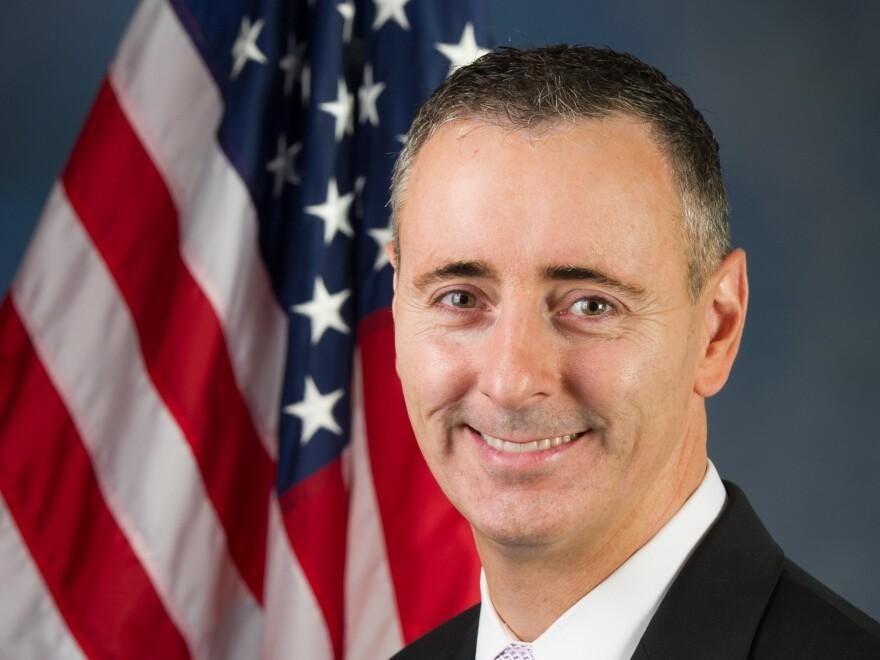
Fitzpatrick’s proposed legislation would seek to block purchases of Russian oil, adding congressional pressure to a policy already facing scrutiny from lawmakers in both parties.
Bacon argued that helping reduce diesel prices does not justify pressuring Ukraine to stop attacks on Russian oil refineries while Russian forces continue attacking Ukrainian cities and infrastructure.
Former Vice President Mike Pence also criticized the decision, calling it a betrayal of the legacy of the late Sen. Lindsey Graham, a longtime advocate of tough sanctions against Russia.
The objections reflect concerns among some Republicans that easing restrictions could weaken Washington’s leverage over Russian President Vladimir Putin. Other GOP lawmakers, however, have defended Trump’s decision as an effort to address high fuel costs.
Bipartisan Senators Demand Reversal
The criticism has also reached the Senate, where Republican and Democratic lawmakers have urged Trump to reverse the policy.
Republican Sens. Susan Collins of Maine, Lisa Murkowski of Alaska, Thom Tillis of North Carolina and John Curtis of Utah joined Democratic Sens. Jeanne Shaheen of New Hampshire, Richard Blumenthal of Connecticut and Ron Wyden of Oregon in criticizing the administration’s approach.
The lawmakers argued that Congress had prohibited Russian energy imports in 2022 to prevent American money from supporting Russia’s war effort. They also said the administration had failed to consult Congress or provide the explanation they believe the law requires.
Tillis went further, saying there was a legitimate argument that the administration could be acting unlawfully. The dispute now raises questions about whether Congress will attempt to block the arrangement or challenge the administration’s interpretation of its sanctions authority.
White House Defends the Move as a Fuel-Cost Measure
Treasury Secretary Scott Bessent defended the administration’s decision, arguing that it was legally supportable and would benefit American consumers.
Bessent said the administration would proceed using the legal authorities available to it. He also maintained that the arrangement could help ease prices by increasing the supply of diesel available to the market.
Diesel is a critical fuel for freight transportation, agriculture, construction and home heating. Higher costs can ripple through the economy by increasing the expense of moving goods and operating equipment.
However, energy analysts have questioned whether the Russian arrangement would make a substantial or lasting difference to prices. The potential benefit to consumers depends on the amount of fuel delivered, the timing of shipments and wider market conditions.
How Much Russian Diesel Is Involved?
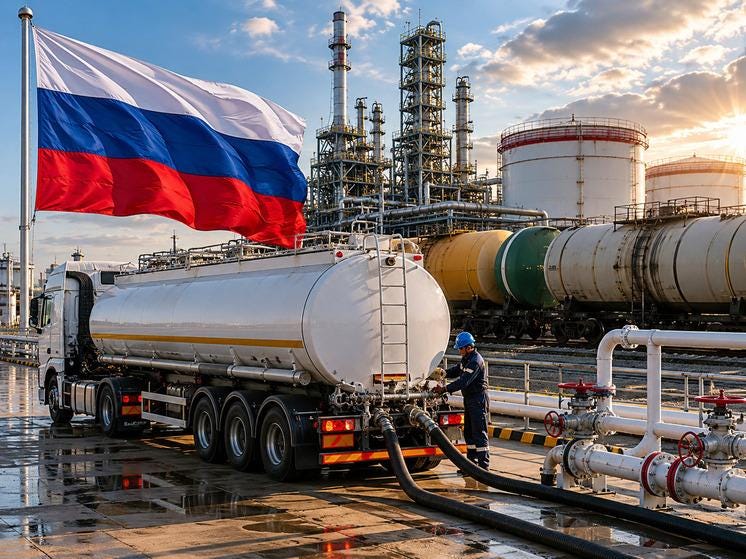
Trump said Russia would immediately supply more than 300,000 metric tons of diesel to U.S. and global markets, followed by another 500,000 tons in November and an additional 1 million tons afterward.
The administration also temporarily eased sanctions restrictions to allow Russian diesel sales to the United States, according to reporting by Reuters and The Associated Press.
The announced volumes may sound substantial, but analysts have noted that they represent only a fraction of overall U.S. fuel consumption. That raises questions about how much the arrangement could actually influence prices paid by truckers, farmers and other diesel users.
The financial implications for Russia are also a central part of the debate. Critics contend that renewed access to buyers could generate revenue for Moscow, while the administration argues that additional supply serves U.S. economic interests.
The Ukraine War Complicates the Energy Decision
The diesel deal comes amid growing friction between Washington and Kyiv over Ukrainian attacks on Russian oil infrastructure.
Trump has pressed Ukrainian President Volodymyr Zelenskyy to halt strikes on Russian refineries, arguing that the attacks contribute to energy-market instability. Ukraine has used long-range drones to target Russian energy facilities as part of its campaign to disrupt resources that support Moscow’s war effort.
Ukrainian officials and supporters of Kyiv’s war effort argue that easing sanctions while Russia continues attacking Ukrainian territory could weaken the pressure on Putin.
The controversy is therefore about more than fuel prices. It reflects a broader disagreement over whether the United States should prioritize short-term energy-market relief or maintain economic restrictions intended to limit Russia’s ability to finance its military campaign.
Administration’s Energy Ceasefire Claim Faces Its Own Questions
Trump’s diesel announcement was followed by his declaration of an immediate energy ceasefire between Russia and Ukraine.
The president said both countries had agreed to stop attacks on energy infrastructure. Zelenskyy said Ukraine supported a ceasefire but stressed that Russia must also comply. At the time of reporting, Moscow had not publicly confirmed the arrangement, and questions remained about its scope and enforcement.
The two developments are connected politically: the administration has pushed Ukraine to stop attacking Russian refineries while seeking additional Russian fuel supplies. Critics argue that this combination could place greater pressure on Kyiv than on Moscow.
Whether the proposed ceasefire becomes effective will depend on the terms accepted by both governments and whether attacks on covered infrastructure actually stop.
What Happens Next?
The emerging Republican opposition could put pressure on the administration to explain its legal rationale and disclose more details about the sanctions relief.
Fitzpatrick’s proposed legislation may provide one avenue for congressional action, while the bipartisan Senate criticism signals that objections are not confined to lawmakers who generally oppose Trump’s foreign policy.
The administration, meanwhile, faces competing demands: contain energy costs for American consumers while maintaining pressure on Russia over its war in Ukraine.
For now, the diesel arrangement remains a point of dispute over both economic policy and national security. The central questions are whether the additional supplies will materially lower prices, whether the sanctions relief complies with federal law, and whether the deal strengthens or weakens Washington’s position in negotiations over the war.