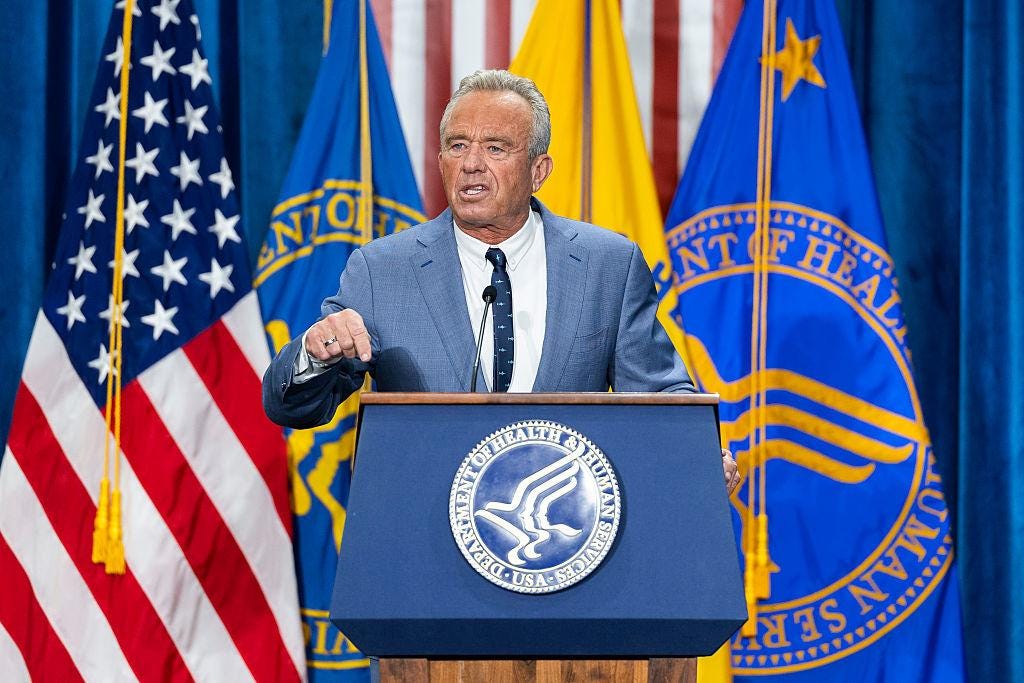
U.S. Health and Human Services Secretary Robert F. Kennedy Jr. is launching a new federal effort to investigate vaccine injuries, bringing one of his signature health-policy priorities directly into the National Institutes of Health.
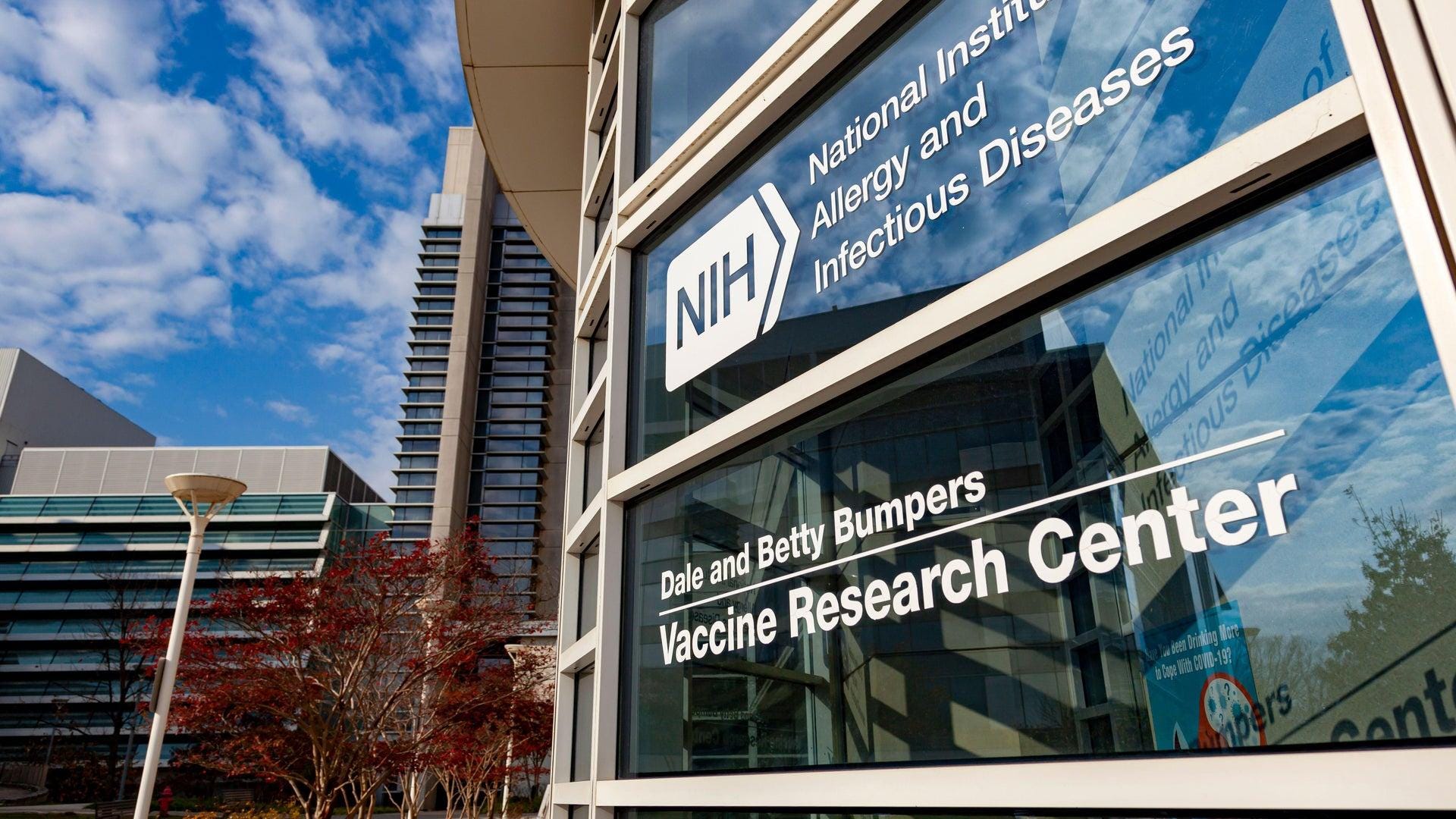
Kennedy visited the NIH campus in Bethesda, Maryland, on Oct. 5 to announce the initiative, according to people familiar with the event who spoke to Bloomberg. The plans include a new clinic at the NIH Clinical Center intended to study and care for patients who believe they have suffered vaccine-related injuries.
The initiative represents a significant expansion of the Trump administration’s efforts to examine vaccine safety and adverse health outcomes. Kennedy has repeatedly argued that Americans with concerns about vaccine-related injuries have not received adequate attention from federal health agencies.
New clinic to study vaccine injuries
One component of the initiative is a dedicated NIH clinic where patients with suspected vaccine injuries can receive medical evaluation while researchers collect information that could be used for future studies.
The broader program is also expected to examine how suspected vaccine injuries are reported and analyzed.
Among the proposals is a plan to reimburse physicians for reporting suspected vaccine injuries, according to Bloomberg. The initiative also calls for modernizing federal approaches to collecting and analyzing information about potential adverse events.
The NIH has already identified vaccine injury research as a priority under the administration’s Make America Healthy Again, or MAHA, initiative.
An NIH research framework published in June calls for improved data collection and analysis of vaccine injuries and says the agency’s vaccine injury research program at the NIH Clinical Center could eventually expand to additional centers around the country.
NIH expands research into vaccine safety
The new effort comes as NIH has broadened its research priorities to include both the benefits and potential adverse consequences of vaccination.
NIH is encouraging studies examining long-term health outcomes following vaccination, including research using large longitudinal databases, real-world medical data, biomarkers and other advanced analytical techniques.
The agency says the goal is not simply to identify associations but to better understand whether particular vaccines, schedules or biological factors contribute to specific health outcomes.
That distinction is important because an adverse event occurring after vaccination does not automatically establish that the vaccine caused it.
Federal vaccine-compensation data make the same distinction. The Health Resources and Services Administration notes that compensation through the National Vaccine Injury Compensation Program does not necessarily mean HHS determined that a vaccine caused the alleged injury. Approximately 60% of compensation awards result from negotiated settlements in which the government has not concluded that the vaccine caused the claimed injury.
A controversial shift in federal vaccine policy
Kennedy’s push to expand vaccine-injury research is occurring alongside sweeping changes to federal vaccine policy.
Since becoming HHS secretary, Kennedy has challenged longstanding approaches to vaccine recommendations and has called for additional research into possible connections between vaccines and chronic health conditions.
His approach has generated strong support among MAHA advocates but fierce opposition from many public-health and medical organizations.
Critics argue that Kennedy has elevated hypotheses that have already been extensively investigated and rejected by mainstream scientific research. Reuters reported in July that Kennedy had pursued additional federal research into questions including vaccines and autism, despite decades of studies finding no credible causal connection.
Supporters counter that federal agencies should be willing to investigate unanswered questions and examine potential adverse effects rather than dismissing concerns from patients and families.
Research versus conclusions
The new NIH initiative could therefore become an important test of whether the administration can separate legitimate vaccine-safety research from predetermined conclusions about causation.
NIH’s own current research priorities emphasize rigorous study designs, large datasets, replication and methods intended to distinguish correlation from causation. The agency says research should identify susceptible populations and biological mechanisms that could explain why some individuals experience adverse outcomes while most do not.
That approach could potentially produce useful information regardless of the political debate surrounding Kennedy.
Vaccines, like other medical interventions, can produce adverse reactions. Federal health authorities say serious vaccine-related injuries are rare, while emphasizing the substantial benefits of vaccination against infectious diseases.
The new NIH program puts those competing questions — vaccine effectiveness, potential risks and individual susceptibility — at the center of a much larger federal research agenda.
For Kennedy, the initiative represents another major step in his effort to reshape the nation’s approach to vaccines and chronic disease under the MAHA banner.
For NIH scientists and public-health researchers, the central challenge will be ensuring that the expanded research produces reliable evidence capable of distinguishing genuine vaccine-related injuries from conditions that merely occur after vaccination.