

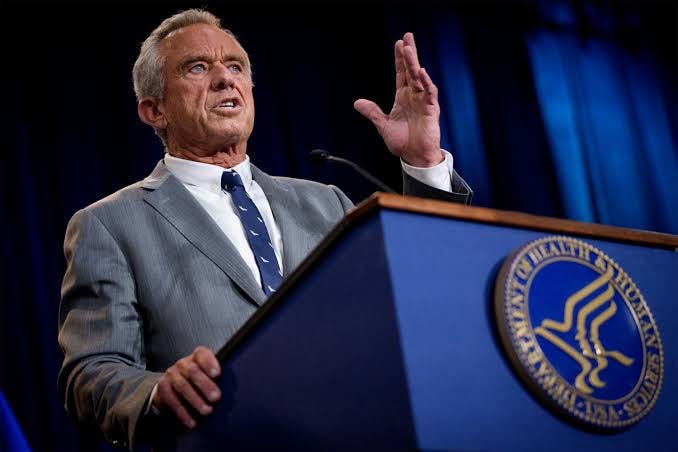
Robert F. Kennedy Jr. is calling for a sweeping overhaul of America’s approach to public health, arguing in a new op-ed that federal agencies have utterly failed to provide citizens with the fundamental guidance needed to prevent chronic illnesses.
Writing for Fox News, Kennedy criticized the established medical and regulatory apparatus—specifically targeting the FDA, CDC, and NIH. He argued that these agencies have historically prioritized pharmaceutical interventions and symptom management over root-cause prevention, leaving Americans increasingly vulnerable to preventable diseases.
“Americans deserve better than a healthcare system that waits for them to get sick before offering a solution,” Kennedy wrote. “Our federal health agencies should be the ultimate resource for preventative wellness, yet they remain stubbornly tethered to a paradigm that treats illness rather than fostering health.”
The ‘Make America Healthy Again’ Agenda
Kennedy’s op-ed heavily promotes the “Make America Healthy Again” framework, a core tenet of his recent policy focus since suspending his independent presidential campaign and aligning with Donald Trump.
He argues that true public health reform requires a dramatic shift in focus toward lifestyle factors. Specifically, Kennedy pointed to the lack of aggressive federal guidance on the dangers of ultra-processed foods, environmental toxins, and sedentary lifestyles. He contends that the current guidelines are heavily influenced by corporate lobbying from the food and pharmaceutical industries, which he claims have a vested financial interest in keeping Americans dependent on medication.
“We need a medical system that prescribes nutrient-dense food, clean water, and physical activity with the same urgency it prescribes pharmaceuticals,” he stated.
Calling for Systemic Changes
To reverse the trend of rising chronic disease rates, Kennedy outlined several immediate changes he believes federal agencies must adopt. These include drastically revising dietary guidelines to eliminate industry-funded bias, increasing transparency regarding the chemicals permitted in the U.S. food supply, and reallocating NIH funding to heavily prioritize research into holistic and preventative medicine.
Kennedy’s ongoing criticisms of federal health agencies have drawn mixed reactions. While his focus on removing toxins from the food supply and promoting exercise has found bipartisan appeal among wellness advocates, his historical skepticism of vaccines and medical establishment consensus continues to draw sharp pushback from many mainstream public health experts.
Despite the controversy, Kennedy’s op-ed underscores his continued push to fundamentally disrupt how the federal government approaches the health of its citizens.