

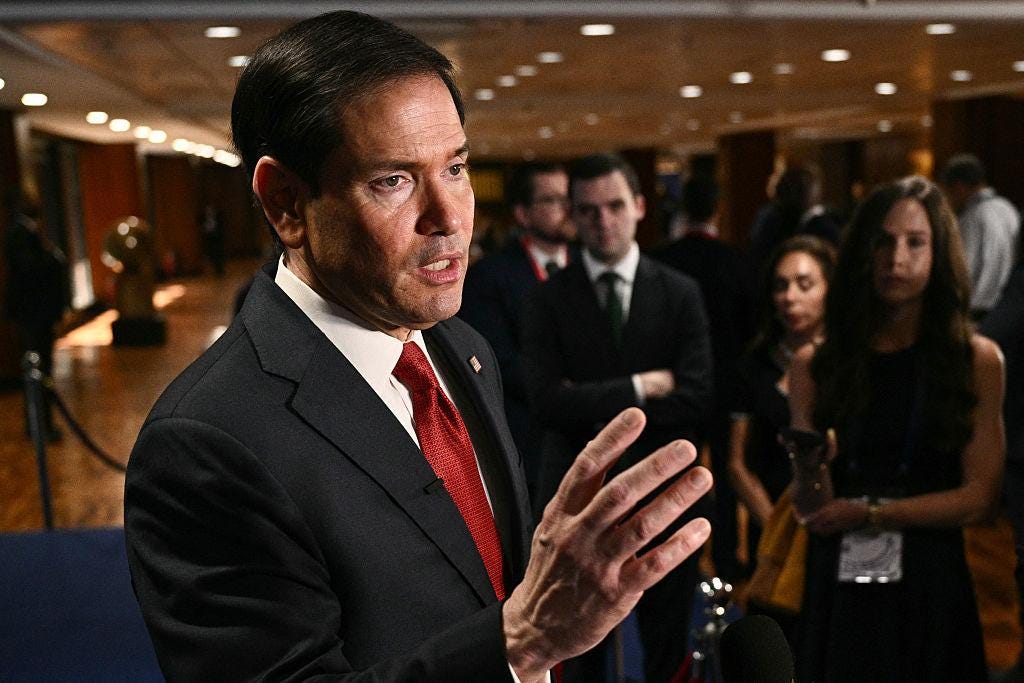
U.S. Secretary of State Marco Rubio is pushing back against growing concerns about national security threats facing the United States, dismissing speculation that recent technology disruptions could be part of a coordinated foreign cyberattack while downplaying reports of a potential Iranian strike against Washington.
Speaking to reporters in Manila on Wednesday, November 18, Rubio sought to reassure Americans following a series of technology failures affecting major businesses, government communications networks, financial institutions and the country’s aviation system.
His comments came as President Donald Trump prepares for a major diplomatic summit in China, where he is expected to meet Chinese President Xi Jinping and Russian President Vladimir Putin to discuss trade, artificial intelligence, security and other geopolitical issues.
The combination of domestic infrastructure disruptions, renewed concerns about Iran and intensifying competition with China has placed the administration under pressure to demonstrate that American security systems remain resilient.
Rubio: No Evidence of a Coordinated Cyberattack
Rubio firmly rejected suggestions that the recent technology outages across the United States were connected or orchestrated by a hostile foreign government.
“We have zero evidence or any reason to believe that any of these isolated or individual instances have anything to do with nefarious actors,” Rubio told reporters.
He emphasized that intelligence officials had found no indication that hackers, criminals or foreign governments were responsible for the disruptions.
“We are not under systemic attack,” he declared.
The outages have affected several major American institutions and technology companies over consecutive days, raising questions about the reliability of critical infrastructure.
Among the incidents:
Microsoft: A network capacity upgrade disrupted several services, including email and workplace productivity tools.
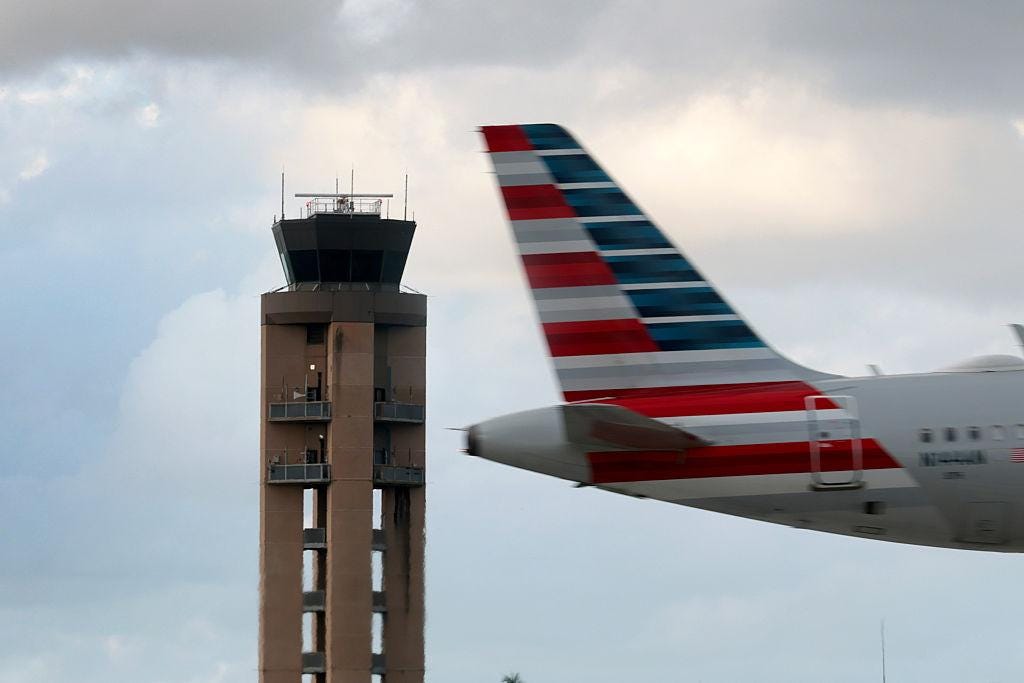
Federal Aviation Administration: A communications-system failure prompted a nationwide ground stop that lasted approximately four and a half hours.
United Airlines: A technology failure delayed approximately 150 flights.
JPMorgan Chase: A software problem disrupted some banking services.
Apple: An internal software update affected services including iCloud and Apple Pay.
National Security Agency: The agency experienced a temporary degradation of its internal network, although it said mission-critical capabilities remained operational.
The administration maintains that these incidents have separate technical explanations rather than indicating a coordinated campaign against American infrastructure.
Iran Threat Raises New National Security Concerns
Rubio also addressed reports that Iran could be developing plans for an attack against senior Trump administration officials in Washington.
According to a CNN report cited by multiple outlets, U.S. intelligence had detected potential Iranian planning involving attacks against American officials, with reports mentioning the possible use of radioactive materials or chemical weapons.
Asked whether Americans should be concerned about an imminent attack, Rubio responded:
“I don’t think there is any imminent threat.”
He nevertheless stressed that intelligence agencies monitor potential threats continuously and that the United States takes hostile intentions toward American officials seriously.
“We have threat streams every day, and the majority of them are not credible,” he explained.
Rubio also reminded reporters that Iran has repeatedly expressed hostility toward the United States since the 1979 Islamic Revolution.
The reported intelligence has not established that Tehran has the capability or intention to carry out such an attack. Iran’s Foreign Ministry has rejected the allegations as baseless.
President Trump separately warned that Iran would face unprecedented consequences if it attacked the United States.
“If there is, they will pay a price the likes of which no country has ever paid before,” Trump told reporters.
The administration has therefore attempted to balance public reassurance with a clear warning that any attack against American targets would carry serious consequences.
Rubio Criticizes Leaks of Sensitive Intelligence
Beyond addressing the Iranian threat, Rubio sharply criticized government officials who have allegedly shared sensitive intelligence information with journalists.
When questioned about the reported Iranian attack plans, the secretary of state refused to validate specific details, questioning the credibility and motives of those providing classified information to the media.
He described individuals leaking sensitive intelligence as potential “showboats and liars,” adding that those disclosing classified information could be committing criminal offenses.
His comments reflect the administration’s frustration with intelligence leaks that could undermine national security operations, expose sensitive investigative methods or create unnecessary public alarm.
Rubio also emphasized that Americans deserve accurate information when genuine threats emerge, promising that the government would communicate credible dangers requiring public action.
Trump’s China Summit Puts Technology Competition in the Spotlight
While Washington addresses domestic security concerns, Trump is preparing for one of his most consequential diplomatic engagements of the year.
The president is traveling to China for discussions with Xi Jinping, with Putin also expected to participate in a historic three-way meeting.
The summit comes at a particularly sensitive moment for U.S.-China relations, as both countries compete for dominance in artificial intelligence, semiconductor manufacturing, advanced computing and global technology infrastructure.
Among the major issues expected to feature in the discussions are:
Artificial intelligence: Washington and Beijing are exploring cooperation on AI safety and communication protocols to prevent serious technological incidents from escalating into international crises.
Semiconductor restrictions: U.S. export controls limiting China’s access to advanced AI chips remain a major point of disagreement.
Trade relations: Both governments are seeking economic agreements while competing over manufacturing, investment and technology.
Taiwan: Beijing’s claims over the self-governing island remain a major strategic concern for Washington.
Russia and Ukraine: Trump has indicated that discussions with Xi and Putin could include efforts to end Russia’s war in Ukraine and explore nuclear arms limitations.
The timing is significant. America’s recent technology disruptions have highlighted the vulnerability of interconnected digital infrastructure at precisely the moment Washington is attempting to project technological strength against its international competitors.
Reuters has reported that the two governments are also exploring practical arrangements for communicating about serious AI-related incidents, although no operational agreement has been finalized.
America’s Technology Infrastructure Faces Questions
The recent outages have renewed debate about the reliability of America’s aging technological infrastructure and the consequences of increasing dependence on interconnected digital systems.
The nationwide aviation disruption was particularly concerning because it demonstrated how a technical failure could affect thousands of travelers and disrupt transportation networks across the country.
The NSA incident also attracted attention because of the sensitivity of the agency’s communications infrastructure, even though officials said critical missions were not affected.
President Trump dismissed concerns about the disruptions, saying that technical problems can happen even in large and well-funded organizations.
However, some Republican allies have demanded greater transparency.
Senator Josh Hawley of Missouri questioned whether the incidents could reasonably be dismissed as coincidence, calling for more information about what happened.
Cybersecurity experts have also warned that artificial intelligence could accelerate malicious cyberactivity, allowing hackers to identify vulnerabilities and conduct attacks more efficiently.
At the same time, officials have suggested that some recent disruptions may have resulted from routine system upgrades and security patches that did not function as expected.
The distinction matters: a technical failure is not necessarily evidence of a cyberattack, but repeated failures across critical infrastructure can still expose serious vulnerabilities.
Washington Balances Domestic Security and Global Diplomacy
Rubio’s remarks reflect the administration’s effort to prevent public anxiety from escalating while maintaining a firm position against potential foreign threats.
The United States is confronting several challenges simultaneously: monitoring Iran, strengthening cybersecurity, competing with China in advanced technology and managing relations with Russia.
For Trump, the upcoming China summit offers an opportunity to negotiate with two major geopolitical rivals while demonstrating American economic and military influence.
For Rubio, reassuring Americans that the country is not experiencing a coordinated attack is equally important.
The administration insists that the recent outages are unrelated technical incidents and that intelligence agencies have identified no imminent Iranian threat.
Nevertheless, the combination of infrastructure failures, geopolitical tensions and technological competition underscores the importance of maintaining resilient American systems.
As Trump prepares for talks with Xi and Putin, Washington faces a broader challenge: protecting the country’s critical infrastructure while ensuring that the United States remains technologically competitive and strategically prepared for an increasingly uncertain international environment.