

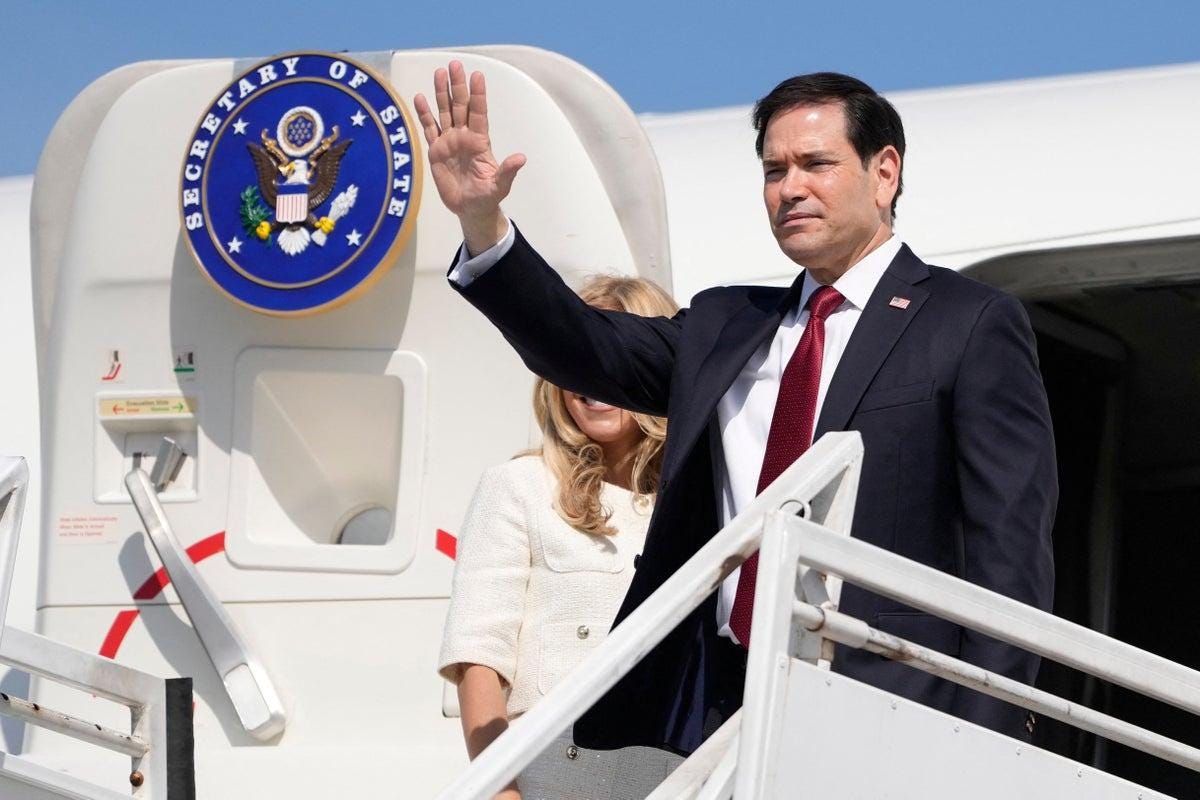
U.S. Secretary of State Marco Rubio sharply challenged reporters Thursday after being pressed about allegations involving U.S. Ambassador to Greece Kimberly Guilfoyle, telling journalists that he would not respond to a newly published report before having time to review it.
The tense exchange occurred on the tarmac at Athens International Airport as Rubio prepared to leave Greece for Portugal following a diplomatic visit focused on NATO, defense cooperation, energy and regional security.
Rubio had been discussing European defense spending and the importance of strong U.S. allies when a reporter asked about a Wall Street Journal report concerning Guilfoyle.
According to the Journal report, Guilfoyle allegedly asked Kentucky lawyer and political donor Eric Deters to help pay a $100,000 American Express credit-card balance before her confirmation as ambassador. The report says Guilfoyle sent payment instructions and asked Deters to make the payment.
Guilfoyle’s attorneys have disputed the authenticity of the messages and have rejected allegations of wrongdoing.
Rubio declined to address the substance of the allegations, arguing that the story had been published only hours earlier and that he had not had an opportunity to independently assess the claims.
“I know the game,” Rubio told reporters, objecting to what he characterized as a practice in which journalists immediately seek a government response after publishing allegations based on unnamed sources.
Rubio said he was not prepared to treat the published report as established fact.
“I’m not going to comment on a story that literally posted a few hours ago,” he said, according to the Tampa Free Press account of the exchange. He added that he did not yet know whether the allegations were true.
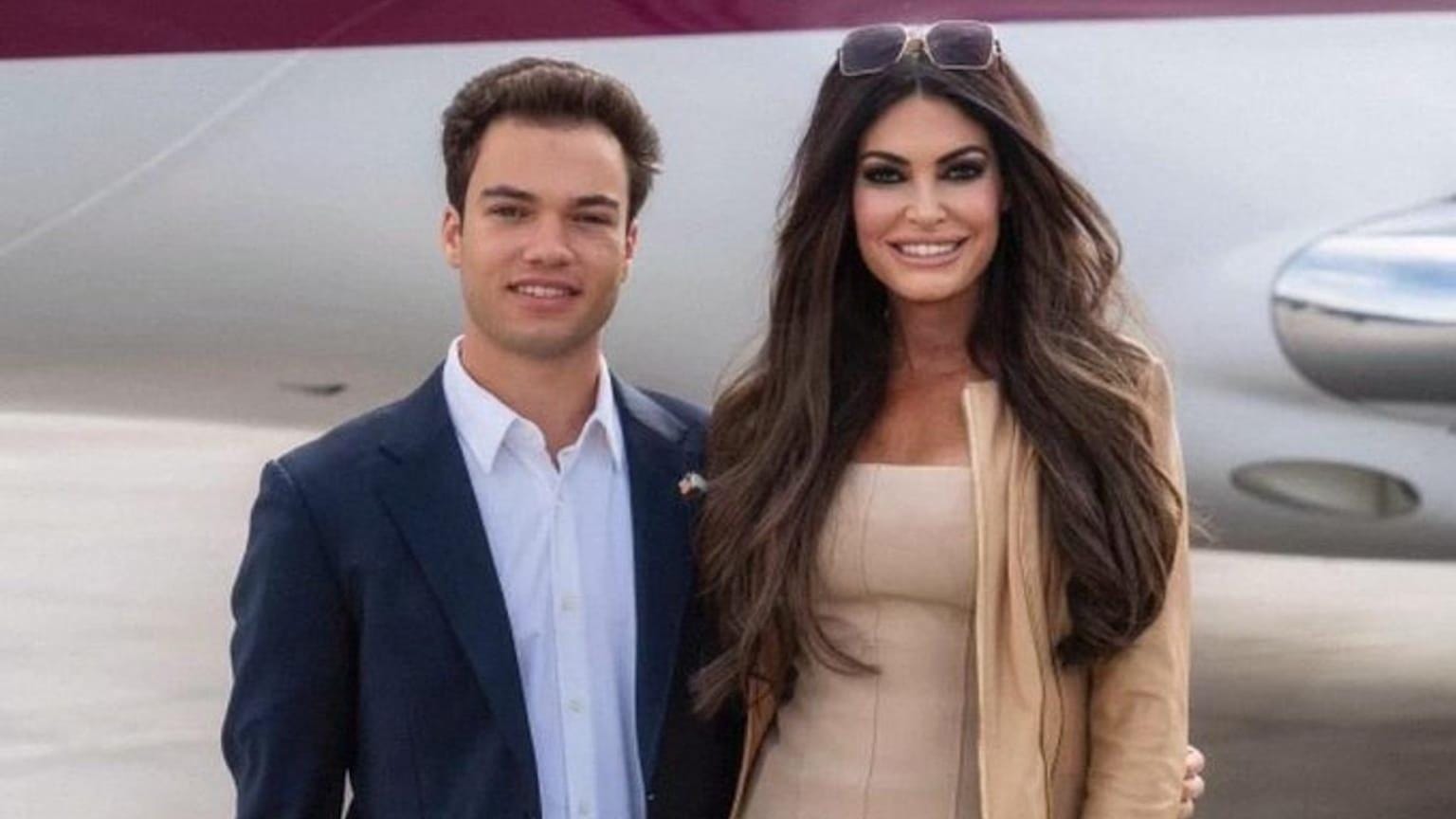
Rubio: A Foreign Tarmac Is Not the Place for an Investigation
The secretary of state also objected to the setting in which reporters were demanding answers.
Rubio argued that an airport tarmac during an overseas diplomatic mission was not an appropriate venue to conduct an investigation into allegations involving a senior American diplomat.
He criticized the assumption that a news report automatically establishes the truth of the underlying allegations, saying reporters should not expect officials to immediately respond to claims they have not had an opportunity to examine.
The exchange came as Rubio was wrapping up a high-profile visit to Greece.
Rubio Defends the U.S. Embassy in Athens
Despite refusing to address the specific allegations, Rubio offered strong public support for the U.S. Embassy in Athens and Guilfoyle’s performance as ambassador.
“Our embassy here is doing a great job,” Rubio said, describing Guilfoyle as a strong ambassador.
His comments came amid growing scrutiny from members of Congress over allegations surrounding the ambassador’s conduct.
The Wall Street Journal report has prompted calls from Democratic lawmakers for further examination, including questions about whether the State Department should investigate the allegations. Rubio did not announce an investigation during the exchange.
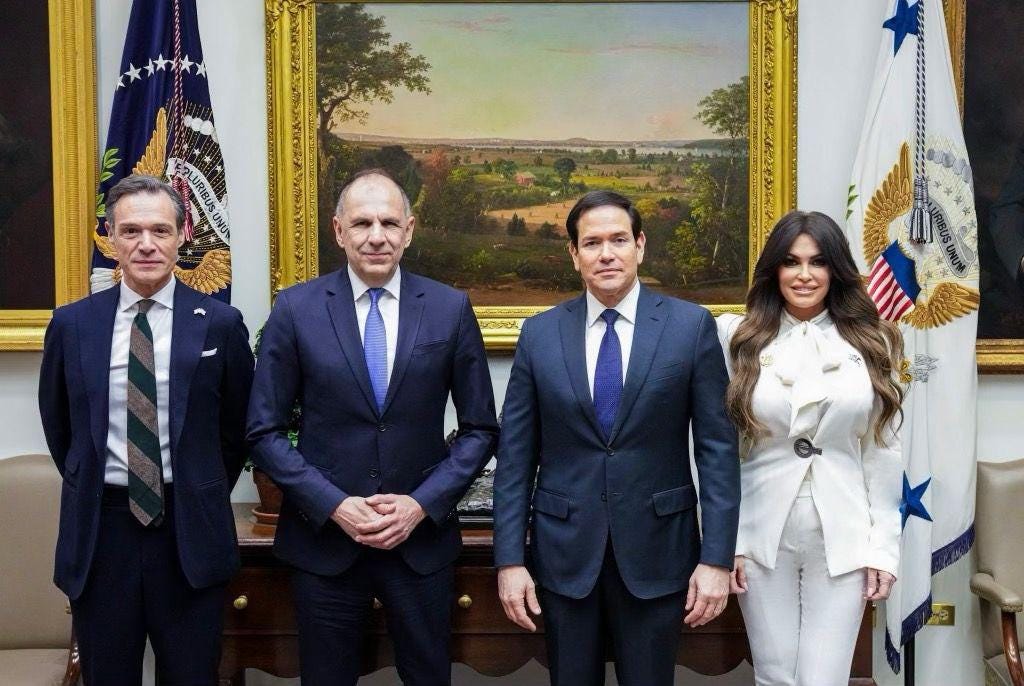
Greece-U.S. Relations Remain the Main Focus
The controversy surrounding Guilfoyle was only one part of Rubio’s broader diplomatic mission to Greece.
During meetings in Athens, Rubio and Greek officials emphasized defense cooperation, energy security, counterterrorism and the strategic importance of the U.S.-Greece alliance.
The two countries announced a new counterterrorism information-sharing initiative involving their law enforcement agencies. Rubio also highlighted Greece’s role as a NATO ally and argued that European nations need to assume greater responsibility for their own defense.
Rubio also praised Greece as a stabilizing force in a region facing multiple security challenges.
The United States and Greece agreed to deepen cooperation in defense, trade, investment and energy. Greece is also expected to receive approximately $4 billion under a long-term defense plan designed to strengthen military interoperability and explore additional opportunities for cooperation between the two countries’ defense industries.
A More Confrontational Rubio
The airport confrontation offered a glimpse of Rubio’s increasingly forceful approach to dealing with the press as secretary of state.
His broader Greece visit also featured a major speech emphasizing American national power, Western civilization and the need for European allies to strengthen their military capabilities.
Against that backdrop, Rubio’s refusal to engage with questions about Guilfoyle underscored the competing pressures surrounding the secretary’s diplomatic agenda: strengthening alliances abroad while dealing with political controversy surrounding American officials at home.
For Rubio, however, the message on the Athens tarmac was clear: he was unwilling to treat a freshly published news report as established fact or conduct an investigation in front of reporters before his department had reviewed the allegations.
The secretary then departed Greece for Portugal to continue his diplomatic tour.